China Top 10 Purified Water System Manufacturers?
China’s purified water equipment sector is becoming more visible across pharmaceutical, healthcare, laboratory, and food-processing markets. The need is practical: a stainless-steel skid, ultraviolet chamber, or reverse-osmosis membrane must deliver stable water quality every day. The WHO and UNICEF Joint Monitoring Programme reported that 2.2 billion people lacked safely managed drinking water in 2022. This figure concerns public access, not pharmaceutical production, but it shows the continuing importance of reliable water treatment infrastructure.
For regulated manufacturing, equipment selection requires more than a factory quotation. WHO Technical Report Series No. 1033, Annex 3, outlines expectations for water used in pharmaceutical production, including system design, sanitization, monitoring, and qualification. USP <1231> also emphasizes microbial control, chemical quality, sampling, and routine verification. These principles guide our review of China’s leading Purified Water System manufacturers. We consider engineering experience, component quality, documentation, after-sales service, and export capability. Details matter. A poorly placed sampling valve can weaken an otherwise impressive system.
This “top 10” list is not an official government ranking. It is a practical comparison based on publicly available company information, project experience, certifications, and industry reputation. No ranking is perfectly neutral. Some manufacturers disclose extensive technical records, while others remain difficult to evaluate online. That limitation deserves attention. Buyers should still inspect validation documents, test reports, factory capacity, and local service arrangements before signing a contract. A low price can look attractive, until commissioning begins.
Definition and Scope of Purified Water Systems in China
China Top 10 Purified Water System Manufacturers?
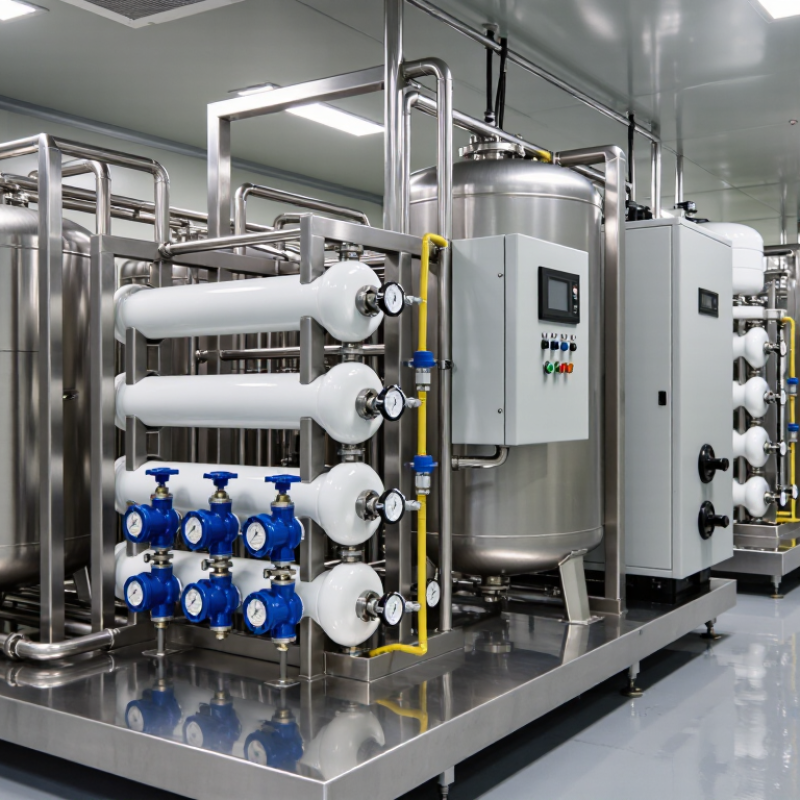
Purified water systems in China are engineered networks that convert treated municipal or process water into consistent-quality water. Their scope usually includes pretreatment, reverse osmosis, electrodeionization, ultraviolet treatment, storage, distribution, and online monitoring. The final design depends on water quality, production volume, and the intended application.
In pharmaceutical facilities, the system must support controlled production and documented quality testing. Conductivity, total organic carbon, microbial levels, temperature, and flow are commonly monitored. A stainless-steel loop may circulate water continuously, while hot-water sanitization reduces contamination risks. In electronics, cosmetics, hospitals, and food processing, specifications can differ considerably. “Purified water” is not one universal output.
During technical evaluations, engineers should inspect more than the main treatment skid. Dead legs, poorly sloped pipes, difficult-to-clean valves, and weak sampling points can undermine an otherwise impressive installation. Local climate and source-water changes also matter, especially in coastal or industrial areas. Some designs look complete on paper but lack practical maintenance access. That deserves scrutiny. Reliable suppliers should provide material certificates, process diagrams, qualification documents, calibration records, and clear service procedures. They should also explain how the system responds to seasonal feedwater variation. A lower purchase price may conceal higher water waste, energy use, or replacement costs. Manufacturers serving China therefore need both process expertise and a realistic understanding of operating conditions.
Evaluation Criteria for Ranking Chinese Manufacturers
China Top 10 Purified Water System Manufacturers
Evaluation should begin with verified engineering experience, not advertising claims. A strong manufacturer should show completed projects for pharmaceutical, laboratory, food, or medical applications. Site references matter. So do factory records.
The ranking should examine water quality, system design, and validation support. Review pretreatment, reverse osmosis, electrodeionization, ultraviolet treatment, and final filtration. Each stage should match the feed-water report and required output. Ask for conductivity, TOC, microbial, and flow data from operating systems. Check whether the manufacturer provides P&ID drawings, material certificates, operating manuals, and commissioning records. Clear documentation signals technical discipline.
Compliance evidence also deserves careful attention. Inspect quality-control procedures, welding standards, instrument calibration, and factory acceptance testing. A reliable supplier explains cleaning cycles, alarm settings, sampling points, and replacement schedules in practical language. After-sales service should include training, spare parts, response times, and remote troubleshooting. Compare total ownership cost, not only the initial quotation. The cheapest system may consume more chemicals or require frequent membrane replacement. That matters.
No scoring model is perfect. A polished brochure can still hide weak field support. I would give greater weight to recent references, measurable performance, and transparent limitations. Manufacturers should admit when a design needs modification. That is more credible than promising universal results. During evaluation, an independent technical review can challenge assumptions before installation. Small details count, such as stainless-steel surface finish, drainability, sensor placement, and data traceability. These details often separate a workable purification system from an expensive lesson.
China’s Top 10 Purified Water System Manufacturers
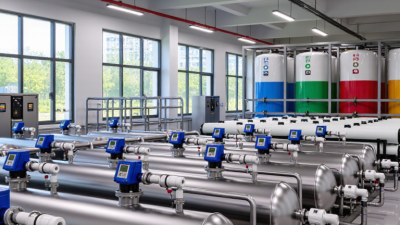
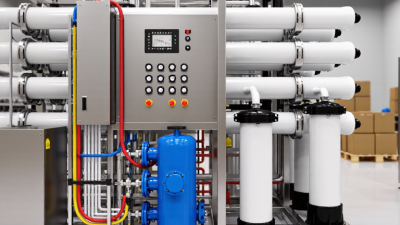
China’s Top 10 Purified Water System Manufacturers are best compared through engineering evidence, not advertising claims. Experienced suppliers usually design systems around raw water quality, production volume, and required standards. A practical unit may combine multimedia filtration, activated carbon, softening, reverse osmosis, EDI, ultraviolet treatment, and a final 0.22-micron filter.
Look closely at construction details. Product-contact piping should use hygienic stainless steel, often 316L for demanding applications. Smooth welds, sloped pipelines, sanitary valves, and drainable tanks reduce contamination risks. Reliable manufacturers provide conductivity, TOC, pressure, and flow monitoring. They should also supply factory testing records, material certificates, operating manuals, and validation support. Small documents matter.
After installation, commissioning experience becomes critical. Technicians must check membrane performance, disinfection cycles, alarm settings, and water quality at several sampling points. Local service can reduce downtime, especially when a pump seal or sensor fails unexpectedly. Some suppliers look strong on paper but respond slowly after delivery. That weakness deserves attention.
A neat ranking is useful, but never perfect. A manufacturer suitable for a pharmaceutical plant may be excessive for a laboratory. Buyers should compare actual reference projects, maintenance costs, spare-part availability, and operator training. Ask for measurable performance data. Avoid vague promises. Surface finish and software screens can impress, yet stable water quality remains the real test.
China Top 10 Purified Water System Manufacturers
Non-brand benchmark of conductivity across typical purified water treatment stages
Conductivity is shown in µS/cm at approximately 25°C on a logarithmic scale. Municipal feedwater and RO permeate values are representative engineering ranges, while the final pharmaceutical purified water benchmark follows the USP <645> limit of 1.3 µS/cm at 25°C. Actual performance depends on feedwater quality, system design, maintenance, and validation.
Core Technologies and Industry Applications
China’s leading purified water system manufacturers compete through process control, energy efficiency, and application-specific engineering. Their core challenge is producing stable water quality despite changing feedwater conditions. A practical system often combines multimedia filtration, activated carbon, softening, reverse osmosis, ultraviolet treatment, and polishing units. Each stage has a clear duty. Poor pretreatment can shorten membrane life and raise operating costs.
Modern systems increasingly use electrodeionization, online conductivity meters, total organic carbon monitoring, and automated data recording. These technologies support consistent performance and easier maintenance. In pharmaceutical facilities, purified water systems require hygienic piping, sanitary valves, validated cleaning procedures, and controlled storage tanks. Dead legs must be minimized. Small design errors can create contamination risks. Regular sampling remains essential, even when sensors appear reliable.
Laboratories usually need compact systems with low ionic and organic impurities. Food and beverage plants often prioritize large flow rates, simple sanitation, and reduced chemical use. Semiconductor production demands extremely low contamination levels and careful particle control. Engineers should match the design with actual water demand, not an idealized specification. Oversized equipment may waste energy, while undersized equipment causes unstable supply. This is where supplier experience matters: commissioning records, maintenance response, documentation quality, and operator training reveal more than attractive technical brochures. No system is perfect. Unexpected feedwater changes still expose weak assumptions, so periodic review and adjustment should remain part of operation.
How to Select a Suitable Chinese Manufacturer
China’s purified water market is expanding, but a “top ten” ranking should not replace technical verification. The WHO and UNICEF Joint Monitoring Programme reported that 2.2 billion people lacked safely managed drinking water in 2022. This pressure increases demand, yet it also attracts suppliers with polished websites and limited engineering depth. Choose by application, not advertising.
Ask each Chinese manufacturer for recent project evidence, process-flow drawings, and water-quality records. The system should match your feed-water analysis, required flow rate, microbial limits, and intended use.
For pharmaceutical projects, review alignment with the current Chinese Pharmacopoeia, USP requirements, and validated sanitization procedures. For laboratories or food plants, check material certificates, hygienic welding records, and component traceability. Small details matter. Inspect welds closely.
An experienced audit should examine design controls, factory acceptance testing, installation support, and spare-parts availability. Request calibration records from laboratories accredited to ISO/IEC 17025 where possible. ISO 9001 certification is useful, but it does not prove purified-water performance. CNAS accreditation adds confidence to testing, not automatically to manufacturing quality.
I would also compare total ownership cost over five years, including membranes, filters, energy, and technician visits. A low quotation can become expensive after one year.
Remote support may sound adequate, but response time during a failed sanitization cycle deserves written evidence. One uncomfortable question remains: can the supplier show an unsuccessful project and its corrective action? Their answer may reveal more than a showroom tour.