What is a Complete Ro Machine and How Does it Work?
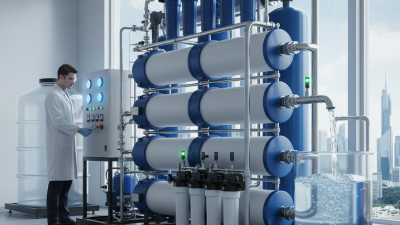
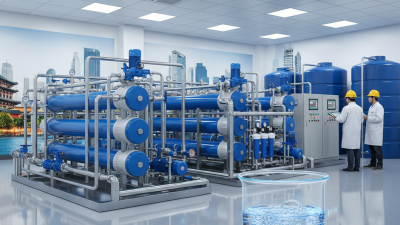
The Complete RO Machine represents the forefront of water purification technology. According to a 2022 market report by Zion Market Research, the global reverse osmosis market is projected to reach $18.3 billion by 2026. This growth highlights the rising demand for clean water solutions. Complete RO Machines are essential in various sectors, from municipal water treatment to food processing.
These machines effectively remove contaminants, providing purified water that meets industry standards. A Complete RO Machine utilizes multiple filtration processes, ensuring thorough purification. Statistics show that over 90% of impurities can be eliminated, making it a reliable choice for many industries. However, challenges remain. Maintaining these systems can sometimes lead to increased operational costs. Balancing efficiency and cost-effectiveness is vital for users.
Moreover, while Complete RO Machines are efficient, they require regular maintenance and monitoring. Users must be aware of the potential for performance decline if not serviced properly. The importance of user education cannot be overstated. Understanding how these machines function enhances their effectiveness and longevity in various applications.
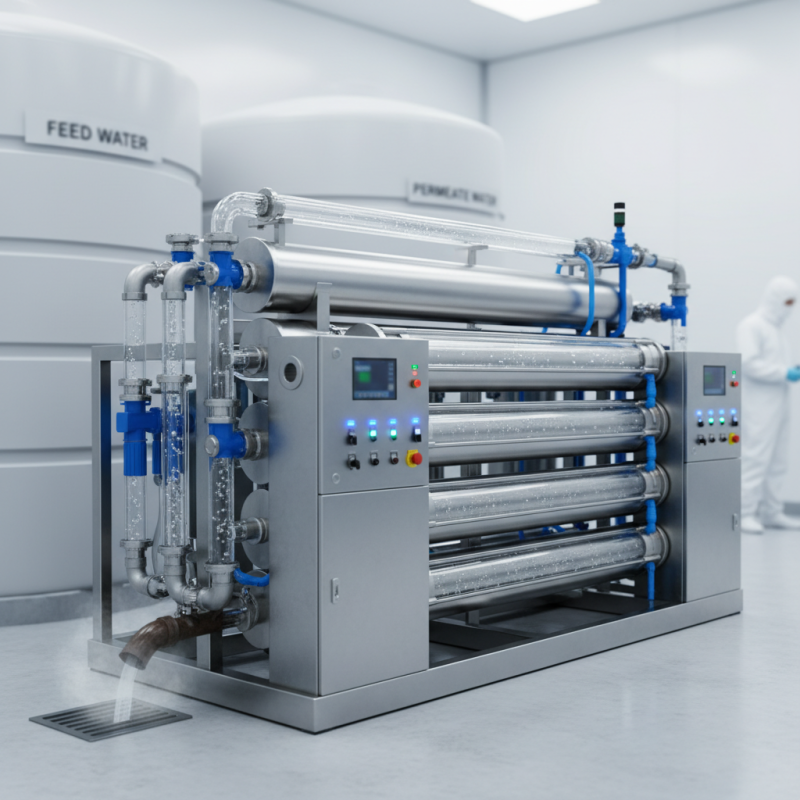
What is a Complete Ro Machine?
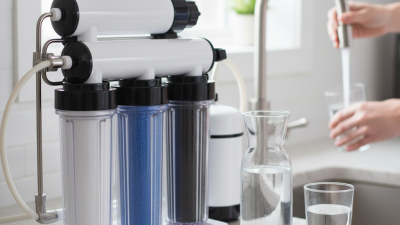
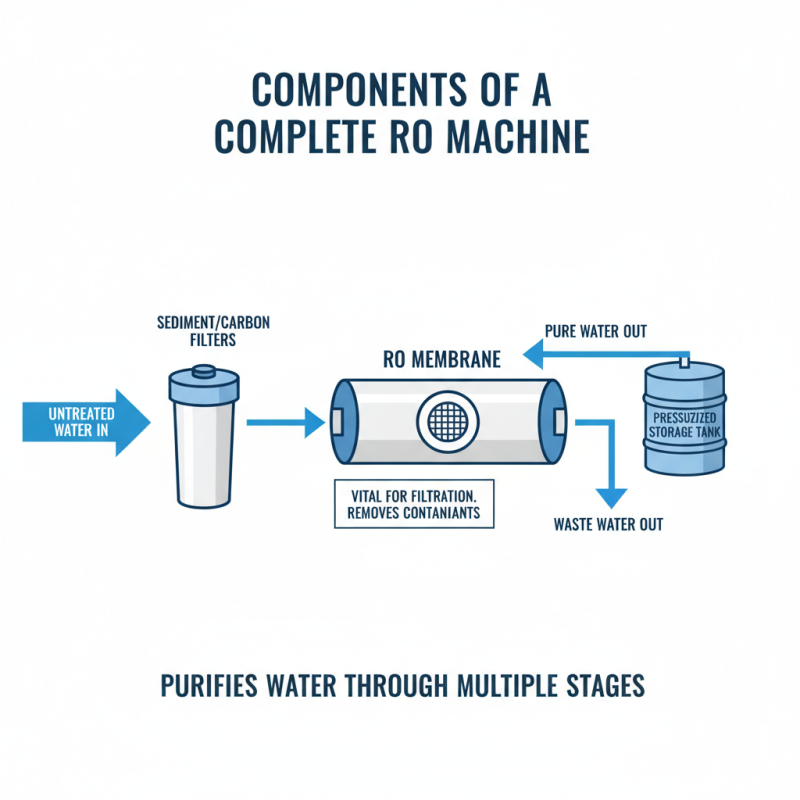
A Complete RO (Reverse Osmosis) machine is a sophisticated water purification system that effectively removes impurities. It typically includes several key components: pre-filters, a reverse osmosis membrane, and post-filters. The pre-filters eliminate larger contaminants, like sediment and chlorine. Then, water flows through the RO membrane, which traps microscopic particles. This process ensures clean, safe drinking water.
Operating an RO machine involves pressurizing water to push it through the membrane. The result is purified water, with contaminants flushed away. However, the system does have limitations. Not all impurities are filtered out effectively. For example, some volatile organic compounds may slip through. This reminds us that while RO machines are effective, they are not foolproof. Regular maintenance is essential, as neglected filters can reduce performance.
When using an RO machine, be aware of water waste. For every gallon of purified water, several gallons may be discarded. That’s a significant factor to consider in water conservation efforts. Users often need to balance the benefits of purification against environmental impact. Understanding this relationship is crucial for responsible resource management.
What is a Complete Ro Machine and How Does it Work?
| Component |
Description |
Function |
| Pre-filter |
Removes larger particles and sediments from the water. |
Protects the RO membrane by extending its lifespan. |
| Activated Carbon Filter |
Removes chlorine, odors, and some organic compounds. |
Improves taste and odor of the water. |
| RO Membrane |
Semi-permeable membrane that separates impurities from water. |
Removes up to 99% of dissolved solids, heavy metals, and contaminants. |
| Post-filter |
Final filtration stage to ensure pure water. |
Enhances taste and removes any remaining odors. |
| Storage Tank |
Holds purified water for dispensing. |
Ensures availability of filtered water on demand. |
| Faucet |
Dispenses the purified water. |
Provides easy access to clean drinking water. |
Components of a Complete Ro Machine
A complete RO (reverse osmosis) machine consists of several key components that work together to purify water. At its core, the membrane is vital. It filters out contaminants, ensuring that only clean water passes through. Without a functional membrane, the entire system fails to achieve its purpose.
Pressure pumps are another critical element. They create the force needed to push water through the membrane. If the pressure is too low, filtration won’t occur effectively. This can lead to wasted energy and unfiltered water. A well-calibrated pump is essential for optimal performance.
Filters play a significant role by removing larger particles and chlorine before water reaches the membrane. They serve as the first line of defense against impurities. However, filters need regular maintenance and replacement. Neglecting this can diminish water quality and system efficiency. Monitoring these components is crucial for a reliable RO machine.
How Reverse Osmosis Works in Water Purification
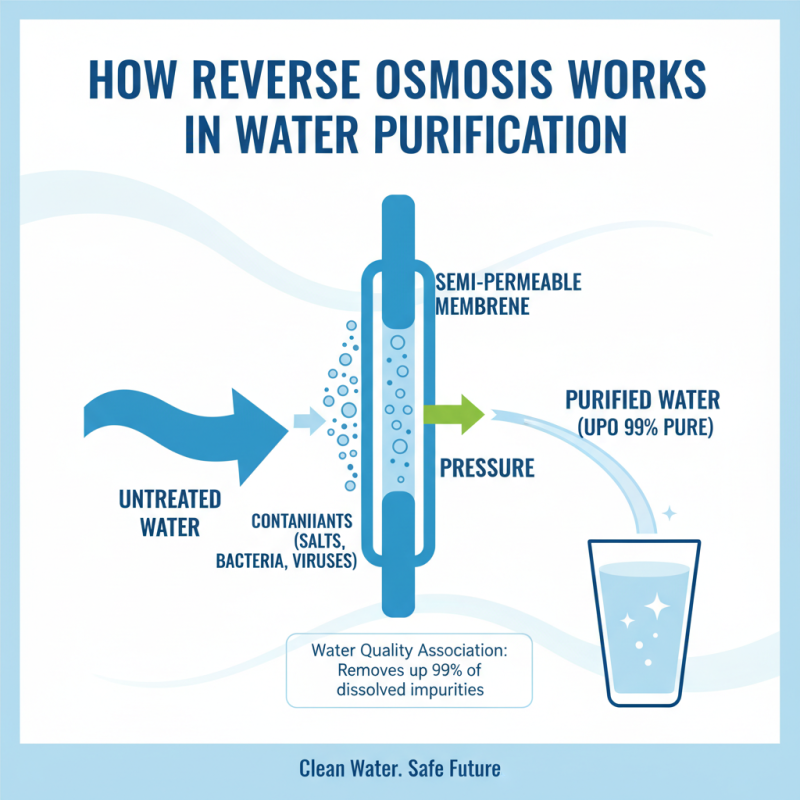
Reverse osmosis (RO) is a crucial technology in water purification. It forces water through a semi-permeable membrane. This process effectively removes contaminants. Reports from the Water Quality Association indicate that RO systems can eliminate up to 99% of dissolved salts, bacteria, and viruses. Such efficiency is vital for producing safe drinking water.
When water enters the RO system, pressure pushes it against the membrane. Contaminants are left behind while clean water passes through. This technology addresses concerns about water quality. According to a study by the National Sanitation Foundation, around 85% of households using RO filtration report improved taste and clarity. These systems play a significant role in regions facing water scarcity.
Tip: Regularly check and replace the RO membrane. It is essential for maintaining efficiency. Neglecting this can reduce water quality. Another consideration is the waste produced during filtration. While RO is effective, it can waste water if not designed properly. Users should explore options for water waste reduction to maximize sustainability.
Benefits of Using a Complete Ro Machine
A Complete Ro Machine, which utilizes reverse osmosis technology, offers several noteworthy benefits. This technology effectively removes impurities from water. The result is clean, safe drinking water free from harmful contaminants. Families especially benefit from using these machines at home. Access to pure water contributes to overall health and well-being.
One significant advantage is the cost savings over time. Instead of purchasing bottled water, a Complete Ro Machine allows households to enjoy fresh water straight from the tap. This not only reduces expenses but also minimizes plastic waste. Additionally, the machine can improve the taste of water. Many people find that purified water enhances the flavor of beverages and cooked dishes.
However, some users may find maintenance required. Regular filter changes are necessary to ensure optimal performance. Neglecting this step can lead to reduced efficiency. Users must stay informed about their machine's upkeep. While the benefits are substantial, the need for attention to detail is essential for long-term satisfaction.
Maintenance and Care for Ro Machines
Maintaining a reverse osmosis (RO) machine is crucial for its longevity and efficiency. Regular maintenance helps prevent bacterial growth and taste issues. According to a 2021 report, poorly maintained systems can lose up to 20% of their filtration efficiency. This makes routine checks essential for ensuring clean water production.
Filter replacement is the most significant maintenance task. Experts recommend changing pre-filters every 6-12 months. The RO membrane may need replacement every 2-3 years. Failure to adhere to these schedules may result in increased contaminants in drinking water. Regularly flushing the system can also enhance performance and prevent scale buildup.
Another key aspect is cleaning. Users should periodically sanitize their entire system. A solution of water and vinegar can be effective for this purpose. Neglecting this step may lead to retained odors or off-tastes in water. It's also important to monitor water pressure and observe any leaks promptly. Ignoring these signs can escalate into larger issues, affecting performance and reliability. Regular checks and proactive care will ensure your RO machine operates at optimal levels.
Water Purity Levels in RO Machines Over Time
This chart displays the water purity levels (measured in parts per million, ppm) for a reverse osmosis (RO) machine over the first seven months of the year. The data reflects how water quality can vary, indicating the importance of regular maintenance and care for optimal performance.