How to Choose the Best Osmosis Filter for Your Home Water Needs?
When it comes to ensuring clean and safe drinking water, selecting the right Osmosis Filter is crucial. Many households face challenges with water quality. Contaminants such as chlorine, lead, and pesticides can pose serious health risks. An Osmosis Filter can effectively remove these impurities, providing peace of mind.
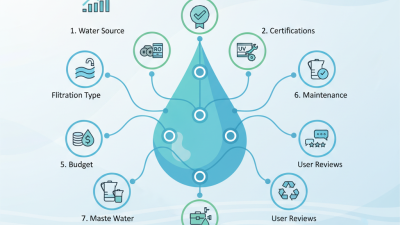
Choosing the best Osmosis Filter requires some knowledge. It's not just about price; features matter too. Look for filters that meet specific needs, such as capacity and filtration speed. Evaluating existing reviews can provide insights but can be misleading. Some filters advertised as the best may not perform adequately in different situations.
Finally, it’s essential to consider long-term maintenance. Filters need regular changing, and costs can add up over time. Your choice should reflect your water needs and budget. Some filters might look great on paper but fail in real life. So, weigh all options carefully before making a decision.
Understanding Osmosis Filters and Their Functionality
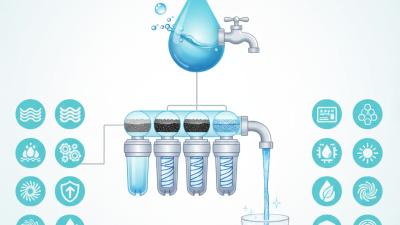
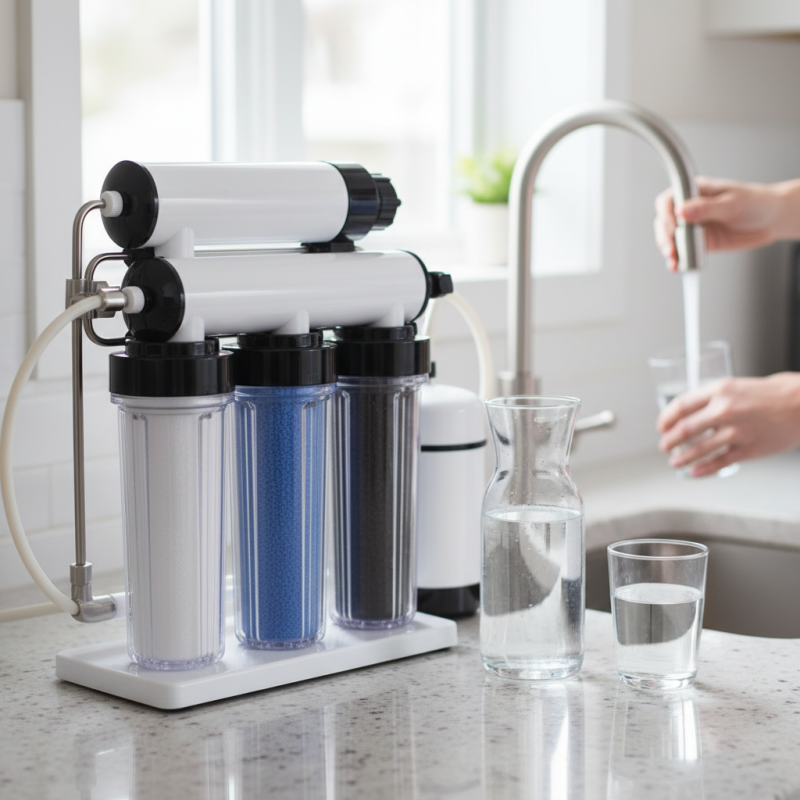
Osmosis filters play a critical role in water purification. They utilize a scientific process known as reverse osmosis. This method effectively removes impurities from water, making it safe for consumption. Understanding how these filters work is essential for making an informed choice.
The basic principle involves a semi-permeable membrane. Water molecules pass through while contaminants are left behind. This process targets various pollutants, such as bacteria, salts, and chemicals. Many users appreciate the clarity and purity of water from these systems. However, not all osmosis filters are created equal. Some may not remove certain contaminants effectively. Evaluating the specifications of different filters is crucial.
Installation and maintenance should also be taken into account. Some systems require regular filter changes. Neglecting maintenance can lead to decreased performance. It’s vital to choose a system that fits your lifestyle. Assessing your water quality needs can guide your decision. Consider both initial costs and long-term upkeep when selecting the right filter.
How to Choose the Best Osmosis Filter for Your Home Water Needs?
| Feature |
Description |
Importance |
Typical Cost ($) |
| Filter Stages |
Number of filtration stages (e.g., 5-stage, 6-stage) |
Higher stages usually mean better filtration |
100 - 300 |
| Membrane Type |
Type of reverse osmosis membrane used |
Affects water purity and flow rate |
50 - 150 |
| Water Pressure |
Required water pressure for optimal performance |
Lower pressure may reduce efficiency |
N/A |
| Production Rate |
Gallons of purified water produced per day |
Essential for household needs |
200 - 800 |
| Tank Size |
Size of the water storage tank |
Determines how much water is available at once |
50 - 150 |
| Warranty |
Length and coverage of warranty offered |
Indicates reliability and manufacturer confidence |
N/A |
Identifying Your Home Water Quality and Needs
When selecting an osmosis filter for your home, understanding your water quality is crucial. According to the Environmental Protection Agency (EPA), approximately 15% of U.S. households receive water that does not meet health standards. Testing your water helps identify contaminants such as lead, chlorine, and nitrates. You can purchase water testing kits or request a lab analysis. Be informed about your local water quality reports. These reports provide insight into potential issues.
Tip: Consider testing your water every year. Seasonal changes can affect quality. Having an accurate reading helps you choose the right filtration system.
Different filters target distinct contaminants. For example, reverse osmosis (RO) systems excel at removing dissolved solids, while activated carbon is effective for organic compounds. Choose a filter that matches your specific needs. Pay close attention to the certifications of the products. NSF International offers credible certifications. This ensures the system meets safety and performance standards.
Tip: Don't assume all filters are equal. Research based on your water analysis data. The wrong choice might not fully address your water quality issues.
Key Features to Look for in an Osmosis Filter
Choosing the right osmosis filter is crucial for ensuring the health and safety of your family’s drinking water. One key feature to consider is the filter's efficiency in removing contaminants. According to the Environmental Protection Agency (EPA), reverse osmosis systems can eliminate up to 99% of pollutants, including lead, chlorine, and fluoride. This high level of filtration is essential, especially in areas where municipal water may contain harmful chemicals.
Another important attribute is the filter's capacity. Many home osmosis systems can produce 50 to 100 gallons of purified water per day. If your household has high water demands, look for filters that can keep up without frequent replacements. Ease of maintenance should also be factored in. Filters often require periodic changes, and systems with straightforward designs allow for easier upkeep. However, some users report struggles with installation and filter replacements, indicating a need for clearer instructions.
Lastly, the mineral balance after filtration should not be overlooked. Some systems might strip water of essential minerals, affecting taste and health. It’s advisable to choose a model that reintroduces minerals. Yet, many consumers find it challenging to assess whether their chosen filter meets this requirement. Hence, thorough research and expert advice become invaluable in making the right choice.
Comparing Different Types of Osmosis Filtration Systems
When choosing an osmosis filtration system for your home, consider the different types available. Reverse osmosis (RO) systems are popular for their effectiveness in removing impurities. They work by forcing water through a semi-permeable membrane. This process ensures that contaminants, including heavy metals and chlorine, are filtered out, providing clean drinking water.
Another option is the non-electric filtration system. These systems utilize gravity to filter water. While they may not be as thorough as RO systems, they still offer a reliable method for improving water quality. They are easier to maintain and often more affordable, making them a solid choice for many homes.
Each system has its pros and cons. RO systems can waste some water during the filtration process. Non-electric systems require regular filter changes to ensure efficiency. Assess your water source and needs carefully to make an informed decision. Identifying the specific impurities in your water can guide your choice. This reflection can help ensure your selection meets your household’s demands effectively.
Comparison of Different Types of Osmosis Filtration Systems
Evaluating Costs and Maintenance for Long-Term Use
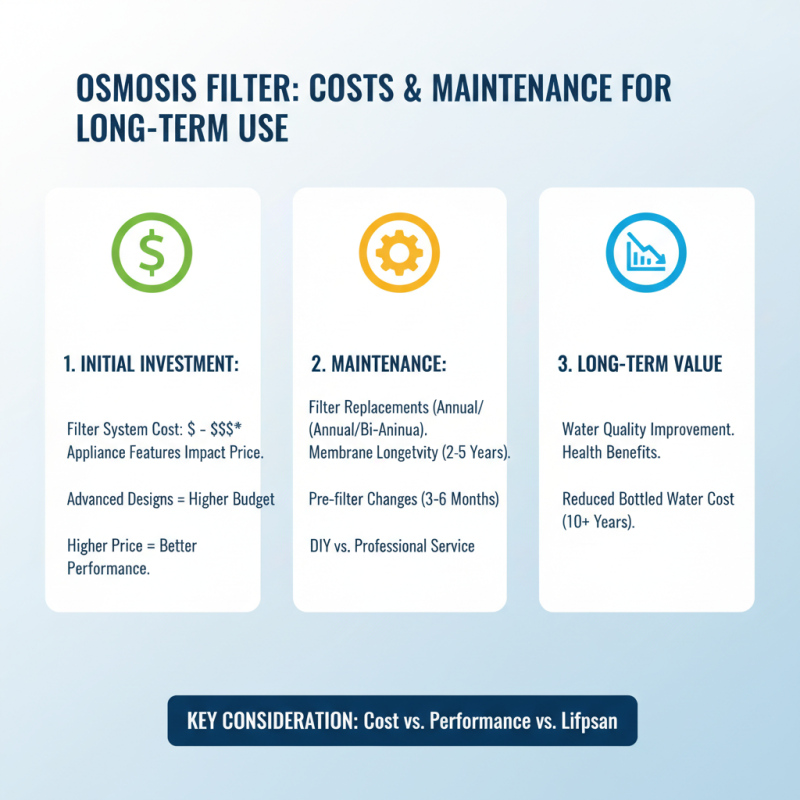
When evaluating costs and maintenance for an osmosis filter, consider the initial investment. A quality filter system can range from affordable to expensive. Appliance features often influence this cost. More advanced designs may offer better filtration, but they may also increase your budget. Keep in mind, higher prices don't always mean better performance.
Maintenance is another crucial factor. Regular filter replacement is essential for optimal performance. Most systems require filters changed every six months to two years. Neglecting this can lead to decreased efficiency and water quality. Learning the recommended maintenance schedule for your system can prevent issues. Don’t forget about utilities costs. Using an osmosis filter might slightly increase your water and electricity bills.
It's essential to reflect on your long-term needs. Consider how often you'll use clean water for cooking, drinking, or watering plants. Think about your household size and lifestyle. These factors will shape your decision on which filter system best suits your needs. Balancing cost, maintenance, and usage can help ensure you make an informed choice.