

Leave Your Message

What Is a Complete RO Machine and How Does It Work?

A Complete Ro Machine is more than a membrane housed inside a stainless-steel frame. It is an integrated water treatment system designed to reduce dissolved salts, metals, microorganisms, and other contaminants through pressure-driven filtration. Feed water usually passes through sediment and carbon filters first. A high-pressure pump then pushes it across reverse osmosis membranes. The membrane allows water molecules to pass while rejecting many unwanted substances. Two streams leave the system: purified permeate and concentrated reject water.

The process sounds simple. It is not always simple in practice. Water quality changes. Membranes foul. Pumps consume electricity. A poorly selected system may produce inconsistent results, even when its components appear reliable. Professor Menachem Elimelech, a leading membrane scientist, has emphasized that “desalination must be energy-efficient and environmentally sustainable.” That principle matters when evaluating any Complete Ro Machine.

A dependable unit should include pressure gauges, flow meters, automatic controls, leak protection, and accessible filter housings. These details make daily operation easier. They also help technicians identify declining performance before serious damage occurs. For example, a rising pressure drop may signal clogged prefilters. A falling permeate flow may indicate membrane fouling or insufficient feed pressure.

There is no universal machine for every application. Municipal water, well water, and industrial wastewater require different pretreatment strategies. Product specifications can also sound more impressive than they perform under real conditions. Buyers should examine recovery rate, membrane type, operating pressure, maintenance needs, and verified water quality data. A Complete Ro Machine can deliver dependable treatment, but only when design, installation, monitoring, and maintenance work together.
What Is a Complete RO Machine and How Does It Work?

What Is a Complete RO Machine?

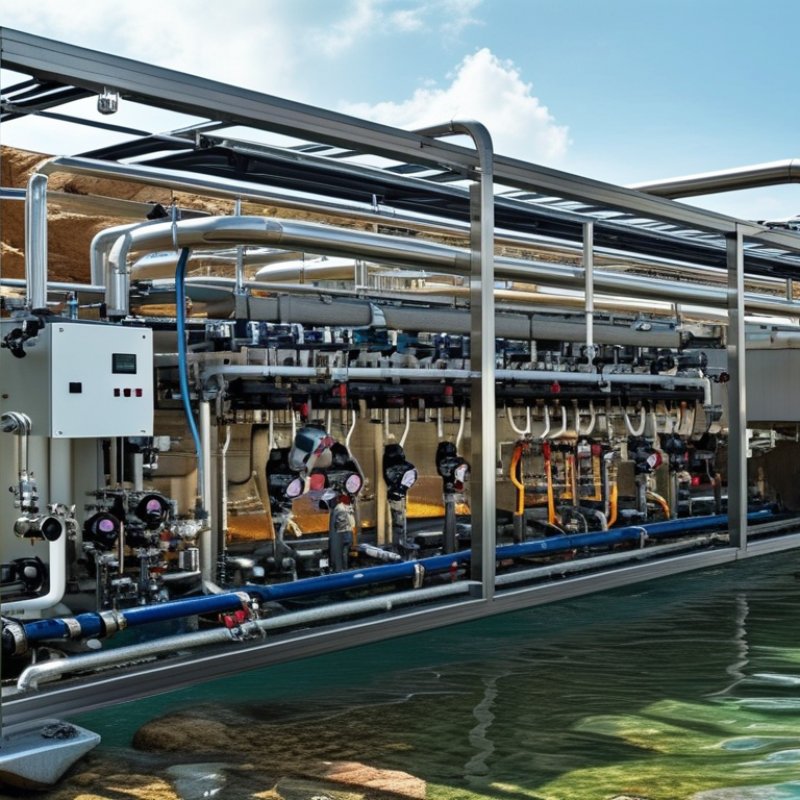
A complete RO machine is an integrated water purification system, not merely a membrane housing. It normally includes pretreatment filters, a feed pump, reverse osmosis membranes, pressure controls, sensors, and a control panel. Some systems also provide storage tanks, ultraviolet treatment, or polishing filters for specific water uses. The exact configuration depends on feed-water quality, daily demand, and required purity.

During operation, raw water passes through sediment and carbon filtration. These stages reduce particles, chlorine, and other substances that may damage the membrane. A high-pressure pump then pushes water across the semi-permeable membrane.

Dissolved salts and many contaminants leave through the concentrate stream, while purified water moves toward the tank or outlet. Flow meters and conductivity monitors help operators identify pressure loss, scaling, or membrane deterioration.

A reliable complete system should be selected after testing the source water. Hardness, iron, microbial conditions, and seasonal changes can affect performance. In my experience, poor pretreatment causes more trouble than the membrane itself. Maintenance still matters. Filters need replacement, membranes require periodic cleaning, and sensors should be checked against accurate instruments. Complete does not mean maintenance-free. That assumption often leads to higher costs and inconsistent water quality.
What Are the Main Components of an RO Machine?

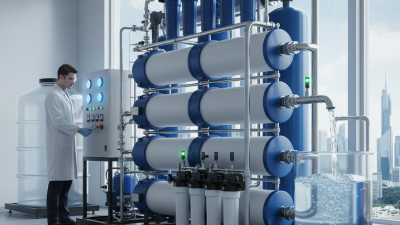
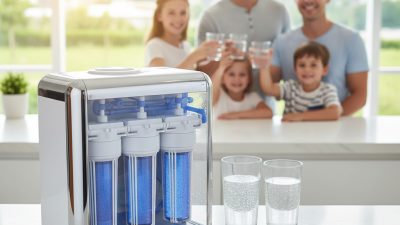
A complete reverse osmosis (RO) machine is a treatment system that reduces dissolved salts, particles, odors, and many unwanted contaminants. Its performance depends on several connected components, not the membrane alone. Feed water first passes through a sediment filter, which captures sand, rust, and visible particles. A carbon filter then reduces chlorine and organic compounds that may damage the membrane.

The high-pressure pump pushes water through the membrane housing. Inside, the semipermeable membrane separates purified water from concentrated wastewater. A flow restrictor helps maintain pressure and controls discharge. Many systems also include pressure gauges, solenoid valves, a control panel, and sensors for automatic operation. The purified water may enter a storage tank or pass through a polishing filter. Real systems are less tidy than diagrams. Poor pressure, blocked filters, or incorrect connections can reduce output sharply.

Tips: Check pressure, leaks, and filter condition regularly. Replace filters according to water quality, not only the calendar. Test purified water with a calibrated meter, but do not treat one reading as complete proof of safety. Sanitize tanks and lines carefully, following the equipment instructions. A small installation mistake can cause large losses. In practice, operators sometimes focus on membrane replacement while ignoring pretreatment. That is a costly habit. Good maintenance records should include pressure, flow rate, conductivity, and service dates.

What Is a Complete RO Machine and How Does It Work?

A complete reverse osmosis machine normally includes a sediment pre-filter, activated carbon filter, high-pressure pump, RO membrane, post-filter, storage tank, and control valves. The chart shows representative replacement intervals for key consumable components under typical residential operating conditions. Actual service life depends on feed-water quality, daily usage, pressure, and maintenance.

How Does the RO Filtration Process Work?

A complete RO machine combines several treatment stages in one working system. Its core is a semipermeable membrane, but the surrounding filters matter greatly.

In practical use, incoming water first passes through a sediment filter. This stage catches sand, rust, and visible particles.

A carbon filter then reduces chlorine, odors, and some organic compounds that may damage the membrane.

The RO filtration process

The RO filtration process depends on pressure. A pump pushes pretreated water against the membrane surface. Water molecules pass through tiny membrane pores, while many dissolved salts, metals, and other impurities remain behind.

The purified stream flows toward a storage tank or final polishing filter.

Concentrated wastewater leaves through a separate line.

This is normal. It is not a machine fault.

The exact removal rate depends on water temperature, pressure, membrane condition, and feed-water quality.

No system removes everything, and a basic TDS reading cannot confirm complete safety.

Tips:

  • Replace filters according to measured water quality, not only the calendar.
  • Check for slow flow, unusual taste, or constant drainage.
  • Sanitize the tank and tubing during scheduled maintenance.
  • Testing the treated water through a qualified laboratory is more reliable than relying on appearance.

One detail is easy to miss: a neglected prefilter can shorten membrane life quickly.

Clear water may still need attention.

How Does Water Move Through Each Treatment Stage?

What Is a Complete RO Machine and How Does It Work?

A complete reverse osmosis machine moves water through several controlled treatment stages. Feed water enters through an inlet valve and passes a sediment filter. This stage catches sand, rust, and suspended particles. The water then reaches carbon filtration, where chlorine and organic compounds are reduced. This protection matters because chlorine can damage the RO membrane.

A high-pressure pump pushes the pretreated water against the membrane surface. Water molecules pass through its fine pores, while many dissolved salts, metals, and unwanted contaminants leave through the reject line.

The purified stream flows toward a storage tank or direct-use outlet. The rejected water drains away. Pressure gauges help operators confirm stable flow, but readings can change with temperature and filter age. In practice, system diagrams often look cleaner than real installations.

Tips:

Replace filters according to water quality, not only the calendar. Check leaks around fittings and monitor unusual pressure changes. Sanitize the tank and lines when required. Do not assume clear water is fully treated. A laboratory test gives more reliable evidence. Some systems also include a polishing filter or ultraviolet stage after storage. These components improve taste or microbial control, but they cannot correct poor pretreatment. Small maintenance delays can reduce membrane life. That detail is easy to overlook.

What Factors Affect RO Machine Performance?

What Is a Complete RO Machine and How Does It Work?

A complete reverse osmosis machine combines pretreatment, high-pressure pumping, membrane separation, and post-treatment. Feed water passes through sediment and carbon filters before reaching the membrane. The pump then creates pressure, forcing water through microscopic pores. Dissolved salts, metals, and many contaminants remain in the reject stream. The U.S. Environmental Protection Agency reports that well-operated RO systems can remove roughly 90–99% of dissolved salts.

What Factors Affect RO Machine Performance?

Feed-water quality is the main variable. High total dissolved solids require greater pressure and may increase energy use. The U.S. Bureau of Reclamation commonly reports seawater RO energy demand near 3–4 kWh per cubic meter in modern systems, though real sites vary. Temperature matters too. Cold water moves slowly through membranes, reducing output. A 10°C drop can noticeably decrease permeate flow.

Recovery rate also changes performance. Higher recovery saves water, but it concentrates salts near the membrane surface and encourages scaling. Fouling from suspended solids, oil, or biological growth creates a similar problem. Operators should monitor pressure difference, conductivity, flow, pH, and temperature daily. The World Health Organization recommends regular water-quality verification rather than relying only on equipment readings.

Small oversights become expensive. An apparently clean cartridge filter may still hide damaged seals or poor pretreatment. Membranes can also look normal while performance quietly declines. For this reason, cleaning intervals should follow measured data, not habit. Sometimes, the original operating assumption is wrong.

What Is a Complete RO Machine and How Does It Work? - What Factors Affect RO Machine Performance?

Category System Element or Factor Typical Data or Range Function, Effect, or Practical Guidance
Complete RO Machine Raw-water inlet Municipal water, well water, brackish water, or treated industrial water Feed-water quality determines the required pretreatment, membrane type, operating pressure, and recovery target.
Feed-water pump Commonly designed for approximately 2–5 bar for low-pressure pretreatment service Provides stable flow to filters and protects the high-pressure pump from insufficient inlet pressure.
Pretreatment train Sediment filtration, activated carbon, softening or antiscalant dosing, and cartridge filtration Reduces suspended solids, chlorine, organics, hardness, and particles that can foul or damage RO membranes.
Cartridge filter Typically 1–5 μm nominal rating Captures fine particles before the high-pressure pump and membrane vessels; rising differential pressure indicates replacement or cleaning is needed.
High-pressure pump Approximately 10–20 bar for brackish-water RO; seawater systems commonly require about 55–70 bar Supplies the pressure needed to overcome osmotic pressure and drive water through the membrane.
RO membrane assembly Spiral-wound thin-film composite membrane elements in pressure vessels Separates permeate water from a concentrated reject stream by allowing water to pass while retaining most dissolved salts and contaminants.
Controls and monitoring Pressure gauges, flow meters, conductivity or TDS meters, valves, sensors, and a control panel Maintains safe operation and provides the measurements required to evaluate membrane performance and water quality.
How the RO Process Works Filtration and conditioning Feed water passes through pretreatment before entering the membrane system Pretreatment limits fouling, scaling, oxidation, and plugging, which are major causes of performance loss.
Pressure application Applied pressure must exceed the feed-water osmotic pressure Water flows across the membrane from the pressurized feed side, while dissolved substances are largely retained.
Permeate production Low-salinity product water Permeate is collected for drinking-water treatment, process use, boiler feed, rinsing, or other applications.
Concentrate discharge Reject stream contains a higher concentration of retained salts and contaminants The concentrate must be safely drained, reused, evaporated, or treated in accordance with local requirements.
Post-treatment Optional remineralization, pH adjustment, ultraviolet disinfection, or polishing filtration Selected according to the intended use, storage conditions, microbiological requirements, and final water specifications.
Performance Factors Feed-water temperature Common reference temperature: approximately 25°C Permeate flow generally decreases as water becomes colder and increases as temperature rises; excessive heat can damage membranes.
Feed-water pressure Must remain within the membrane and equipment design limits Insufficient pressure reduces permeate flow; excessive pressure can increase energy use and stress system components.
Total dissolved solids (TDS) Higher TDS increases osmotic pressure and usually requires higher operating pressure Feed salinity affects permeate quality, recovery, pump selection, and the choice between brackish-water and seawater RO designs.
pH Many thin-film composite membranes operate within an approximate pH range of 2–11, subject to manufacturer limits and cleaning conditions pH influences scaling, membrane rejection, chemical compatibility, and cleaning effectiveness.
Hardness and alkalinity Calcium, magnesium, carbonate, and sulfate can form scale Softening, antiscalant dosing, pH adjustment, or controlled recovery may be necessary to prevent mineral deposits.
Suspended solids and turbidity Low turbidity and a low silt density index are preferred for reliable operation Poor solids removal causes particulate fouling, higher pressure drop, reduced flow, and more frequent cleaning.
Free chlorine and oxidants Thin-film composite polyamide membranes are highly sensitive to continuous chlorine exposure Activated carbon or a suitable dechlorination process is normally installed before the RO membranes.
Recovery rate Often about 50–85% for many systems; the actual value depends on water chemistry and configuration Higher recovery saves feed water but increases concentrate salinity and the risk of scaling.
Membrane fouling and scaling Indicated by declining normalized permeate flow, increasing salt passage, or rising pressure drop Prompt investigation, correct pretreatment, and chemical cleaning can restore performance and extend membrane life.
Maintenance and operation Routine checks of pressure, flow, conductivity, filter differential pressure, and chemical dosing Consistent monitoring helps identify abnormal conditions before they cause permanent membrane damage.
Key Performance Indicators Permeate flow rate Measured in L/h, m³/h, or gallons per day Shows how much product water the system produces; compare readings under similar temperature and pressure conditions.
Salt rejection Calculated as: (1 − permeate conductivity ÷ feed conductivity) × 100% Indicates how effectively the membrane retains dissolved salts; a sudden decline may indicate damage, fouling, or sealing problems.
Recovery Calculated as: permeate flow ÷ feed flow × 100% Measures the proportion of feed water converted into product water and must be balanced against scaling risk.
Specific energy consumption Depends strongly on feed salinity, pressure, recovery, pump efficiency, and system size Lower energy use is generally achieved through efficient pumps, suitable operating pressure, proper pretreatment, and optimized recovery.

Note: The ranges shown are typical engineering reference values. Actual operating conditions must be selected according to feed-water analysis, membrane-element specifications, local regulations, and the intended water quality.