How to Choose the Best Drinking Water Filter for Your Home?
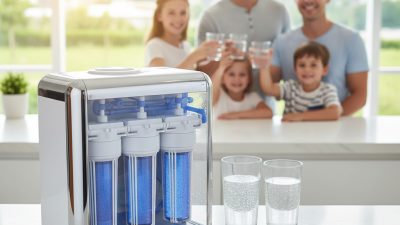
Choosing the right Drinking Water Filter is vital for your health. According to Dr. Sarah Thompson, a renowned water quality expert, “The right filter can make a significant difference in your water safety.” With countless options available, finding the best one can feel overwhelming.
Quality drinking water is essential for everyday life. Many people overlook this critical aspect of their home environment. Filters vary widely in their effectiveness, cost, and maintenance. Dr. Thompson insists, “Do your research; not all filters remove the same contaminants.” This highlights the importance of understanding your unique needs.
Consider factors like contaminants in your local water supply and your family’s consumption habits. Engaging with professionals or reading credible studies can help. While it’s easy to choose a popular brand, it’s crucial to evaluate reliability. Reflect on the potential trade-offs in cost versus quality. Make a well-informed choice for better health and safety in your home.
Understanding the Importance of Drinking Water Quality
Drinking water quality is often overlooked, yet it plays a crucial role in our health. Contaminants in tap water can lead to serious health issues over time. Pollutants like lead, chlorine, and microplastics can enter our water supply. Understanding these risks is the first step to safeguarding our health.
Regular water testing is essential. Many households neglect this task, assuming their water is safe. Home testing kits are available. They provide quick results and uncover hidden problems. Awareness is key. Knowing what’s in your water will help you make informed decisions about filtration options.
Each home has unique needs. Water sources vary, impacting the contaminants present. A filter that works for one household may not suit another. Researching different filtration systems is crucial. Identify specific contaminants in your area. Consulting expert sources can guide you in choosing the right system, enhancing your family’s water safety. Remember, not all filters are created equal. Assessing efficiency and certification can prevent costly mistakes.
Types of Drinking Water Filters Available on the Market
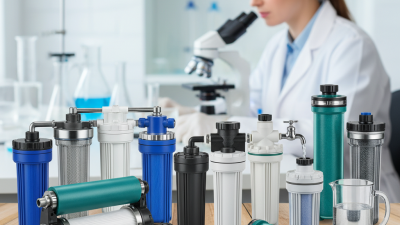
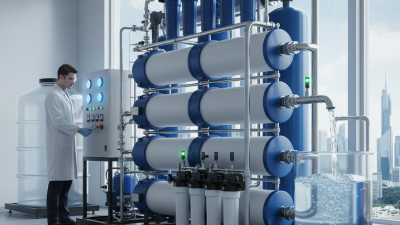
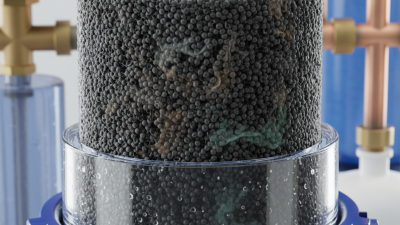
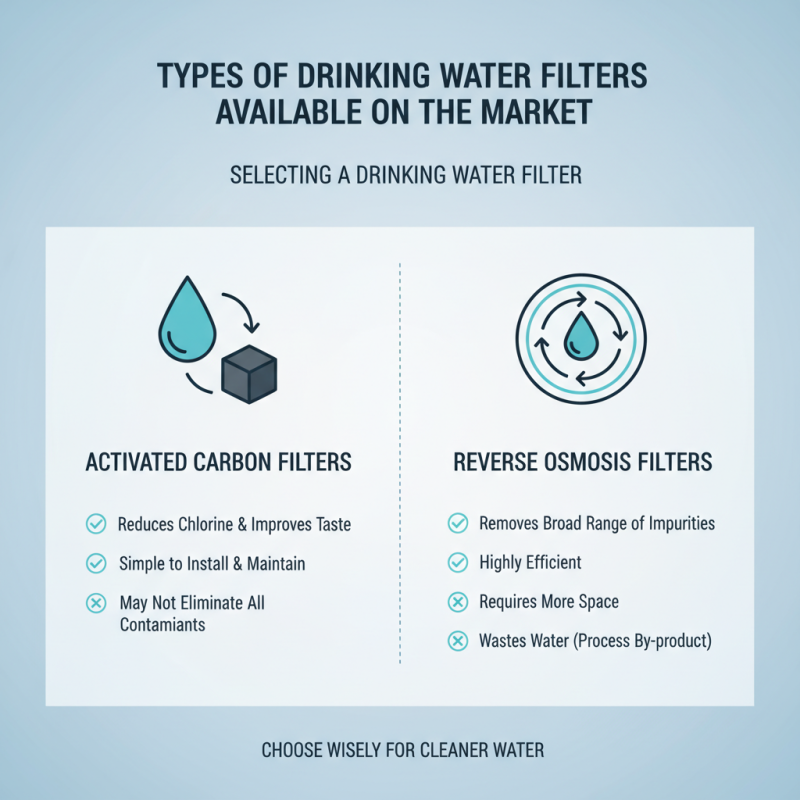
When selecting a drinking water filter, it’s crucial to understand the types available. Activated carbon filters stand out for their ability to reduce chlorine and improve taste. They are simple to install and maintain. However, they may not eliminate all contaminants, leaving some concerns. Another popular option is reverse osmosis filters. These systems can remove a broad range of impurities efficiently. They often require more space and can waste water during the filtration process.
Ultraviolet (UV) filters are also gaining traction. They utilize UV light to kill bacteria and viruses effectively. Yet, these systems don’t remove chemicals or heavy metals. A common oversight is the maintenance of filters. Many users forget to change cartridges or clean units regularly, reducing their effectiveness.
Ceramic filters provide another layer of protection. They trap sediments and larger particles, but they have limitations in filtering out certain chemicals. Selecting the right type often involves understanding your water quality and household needs. It can be a bit overwhelming, and reflecting on specific sources of contaminants might help clarify your options.
Key Factors to Consider When Choosing a Water Filter
When selecting a drinking water filter, several key factors must be considered. Begin with understanding your water quality. Testing your water supply provides insight into contaminants present. This knowledge empowers you to choose the right type of filter. Some filters target specific pollutants like chlorine or lead, while others offer broader protection.
Next, consider the filter's capacity and lifespan. Some filters require frequent replacements, which can lead to unexpected costs. Others may last longer but might be more expensive upfront. Determine your household’s daily water usage. This will help ensure that your filter meets your consumption needs without excessive waste.
Another important aspect is the installation process. Some systems are straightforward, while others may require professional help. Assess your DIY skills and comfort level. If installation seems daunting, opting for simpler systems might be wise. Reflecting on these factors can significantly impact your drinking water quality. Make informed choices for a healthier home.
Comparing Filtration Technologies: Pros and Cons
When choosing a drinking water filter, it's essential to understand various filtration technologies. Each one has its unique benefits and drawbacks. For instance, activated carbon filters are popular for their ability to improve taste and remove chlorine. However, they often don’t eliminate all contaminants effectively.
Reverse osmosis systems are known for their thorough purification. They can remove many dissolved solids but tend to waste water in the process. Moreover, these systems can be costly and may require professional installation. Some people find maintenance challenging.
**Tips:** Regularly check filter replacements to ensure effectiveness. Consider testing your water to identify contaminant levels. Don't hesitate to mix and match systems to suit your needs. Always weigh the pros and cons before making a selection. Your family’s health depends on it.
Comparison of Filtration Technologies for Drinking Water
Installation and Maintenance Tips for Home Water Filters
When installing a home water filter, careful consideration is key. First, check your water source. Different filters target specific contaminants. Understanding your needs is essential for effective filtration.
Installation steps generally include mounting the unit and connecting it to your plumbing. Ensure you're using the correct tools. Leaks can occur during installation, so tighten connections carefully. It's wise to run water through the filter for a few minutes before use. This flushes out any loose particles.
Maintenance requires regular checks. Replace filters according to the manufacturer’s guidelines, even if the water looks clean. Clogged filters can impact water quality. Some users forget, leading to a decline in performance. Regular maintenance enhances the efficiency and lifespan of your water filter system. Keep a schedule, and don't overlook this critical step.
How to Choose the Best Drinking Water Filter for Your Home? - Installation and Maintenance Tips for Home Water Filters
| Filter Type |
Contaminant Removal |
Installation Ease |
Maintenance Frequency |
Average Cost (USD) |
| Activated Carbon Filter |
Chlorine, Sediment, VOCs |
Easy |
Every 6 months |
$30 - $150 |
| Reverse Osmosis Filter |
Heavy metals, Fluoride, Nitrates |
Moderate |
Every 2 years |
$200 - $600 |
| Ceramic Filter |
Bacteria, Sediment, Cysts |
Easy |
Every 1 year |
$50 - $200 |
| UV Filter |
Bacteria, Viruses |
Moderate |
Every 12 months |
$100 - $300 |
| Ion Exchange Filter |
Hardness, Heavy metals |
Moderate |
Every 6 months |
$50 - $200 |