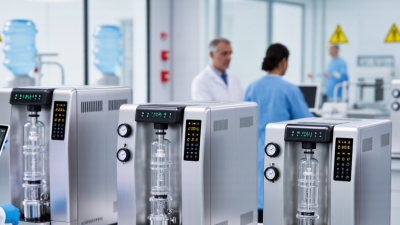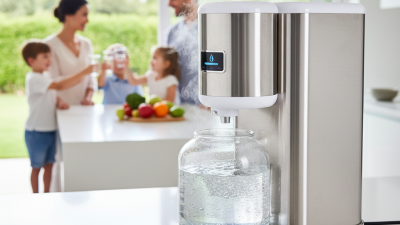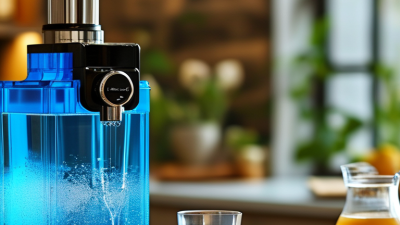


Choosing the right Distilled Water Machine requires more than comparing prices and production claims. Global buyers face different voltage systems, plug types, water conditions, shipping costs, and service expectations. A machine performing well in a small home may struggle in a busy clinic or laboratory. This guide examines ten practical options through performance, build quality, safety features, maintenance, and long-term value.
Real-world details matter. A stainless-steel boiling chamber can support frequent use, while a glass collection container helps users inspect water clarity. Useful features include automatic shutoff, overheating protection, replaceable carbon filters, and removable components. Capacity also changes the buying decision. A four-liter cycle may suit a family, but a larger workplace may need repeated batches and longer cooling time. Energy consumption deserves attention too.
The selection considers manufacturer information, user experience, warranty support, and independent product evidence where available. However, published specifications are not always complete, and performance can vary with local water quality. That limitation matters. Buyers should verify operating voltage, certification requirements, spare-part access, and after-sales support before ordering internationally. No single model fits every market. Some machines appear impressive online but feel less convenient during cleaning. Others look basic yet provide steady output for years. These ten choices offer a practical starting point, not an absolute verdict, for buyers seeking safer and more dependable distilled water production.
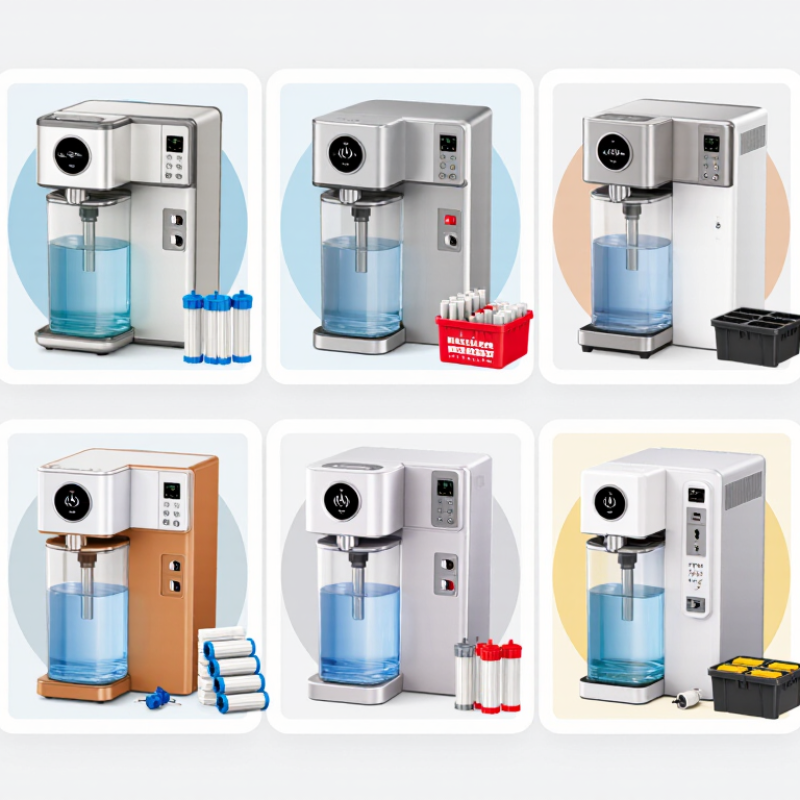
A distilled water machine heats water until it becomes steam. The steam then cools inside a separate chamber. Dissolved minerals, many microbes, and heavier impurities remain behind. The collected water is usually clear, with a noticeably flat taste. The process is simple. However, distillation does not remove every possible contaminant, especially some volatile compounds. Reliable buyers should review independent test results and local water reports before purchasing.
In practical use, these machines suit laboratories, clinics, small manufacturers, and households with mineral-heavy water. They can supply water for laboratory preparation, certain medical equipment, steam irons, and humidifiers. Some users also choose distilled water for appliances that develop white scale quickly. A family may not need a machine if its existing supply already meets its needs. Running costs can become surprisingly high because heating requires electricity.
Daily experience exposes details that product pages often skip. A full collection container may take several hours, depending on capacity and room temperature. The boiling chamber needs regular cleaning, or mineral deposits can reduce performance. Storage also matters; a clean, sealed container helps prevent recontamination. I would not treat a low TDS reading as proof of complete purity. It is only one measurement. Check the machine’s materials, safety controls, output rate, and maintenance instructions. It needs care.
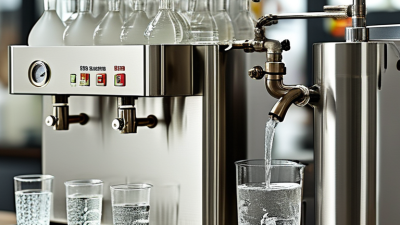
Top 10 Distilled Water Machines for Global Buyers
Key Criteria for Comparing Machines Across Global Markets
Choosing a distilled water machine requires more than comparing prices. A buyer should check output capacity, heating efficiency, water recovery, and cleaning requirements. These details affect daily operating costs, especially where electricity or feedwater is expensive. Stainless steel contact surfaces can support hygiene and durability, but construction quality still needs verification. Product photos are not enough.
Global conditions create practical differences. A machine designed for a stable 220-volt supply may need adaptation elsewhere. Humid coastal areas can accelerate corrosion, while dusty facilities may require more frequent filter cleaning. Buyers should request voltage ranges, operating temperature limits, spare-part lists, and clear installation instructions. Local electrical and water standards must also be confirmed by qualified professionals. Certification claims should be checked through reliable documents, not sales language alone.
Tips: Test the source water before selecting a model. Hard water may increase scale inside the boiling chamber and reduce output. Ask for measured production data under similar conditions. I have found that advertised capacity can feel optimistic when water quality or ambient temperature changes. That is an important limitation to consider. Compare warranty coverage, technician access, and maintenance training across regions. A cheaper unit may become expensive if one small component requires international shipping. Clear records matter.
Top 10 Distilled Water Machines for Global Buyers
Top 10 Distilled Water Machines by Capacity and Performance
Capacity should match daily demand, not advertised maximum output. For home use, compact machines producing 1–4 liters per cycle are practical and easy to store. Higher-volume units can deliver 10–50 liters daily, but they need better ventilation and stronger power support. Commercial models may exceed 100 liters per day, depending on feedwater temperature and operating hours. Performance also depends on boiling speed, cooling efficiency, steam separation, and automatic shutoff accuracy.
A reliable machine should use corrosion-resistant internal materials and provide clear temperature controls. Look for replaceable filters, accessible collection containers, and low-water protection. Energy consumption matters because a slower distillation cycle may cost more over time. Global buyers should verify voltage, plug type, warranty coverage, and service availability before ordering. No machine performs perfectly in every environment. Hard water can create scale quickly, even in well-designed systems.
Tips: Measure your weekly demand first. Leave extra capacity for busy days. Check noise levels if the unit will operate near living spaces. Review independent test data, not only seller claims. In my experience, buyers often choose excessive capacity and regret the wasted counter space. A smaller machine may perform better when cleaned consistently and used within its rated limits.
The chart compares representative distilled-water machine configurations by rated distillate output and electrical input. Small countertop units are suited to laboratories, clinics, and households, while higher-capacity systems are designed for continuous commercial and industrial use. Actual production may vary with feed-water temperature, operating pressure, and maintenance conditions.
Safety should guide every comparison, not only output volume. Look for food-contact stainless steel in the boiling chamber and a sealed vapor path. Thermal cutoffs, automatic shutoff, and heat-resistant handles reduce common household risks. The collection bottle should remain stable and free from cracking under repeated temperature changes. Scale builds quickly. Hard water makes this worse.
Energy use varies with heating power, insulation, water temperature, and batch size. Many countertop units consume roughly 0.7 to 1.2 kilowatt-hours per liter, but buyers should verify measured data. A lower wattage rating does not always mean lower energy use. Slow heating may increase operating time. This is easy to overlook. Ask for test conditions, not only attractive figures.
Maintenance affects purity and service life. Mineral deposits should be removed regularly with an approved descaling method, while seals, vents, and collection containers need routine inspection. Carbon filters, when included, require replacement according to actual usage and water quality. Certification deserves equal attention. Check electrical safety, electromagnetic compatibility, food-contact material documentation, and the conformity marks required in the destination market. Certificates should identify the exact model, test scope, and issuing laboratory. A generic document may not cover the complete machine. I would also request manuals, spare-part availability, warranty terms, and sanitation instructions before purchase. A machine can appear well engineered yet lack practical support after installation.
Top 10 Distilled Water Machines for Global Buyers
Choosing among the top 10 distilled water machines requires more than comparing output and price. Your region matters. Check voltage, frequency, plug type, and electrical safety requirements before ordering. A machine designed for 120 volts may fail on a 230-volt supply. Frequency differences can also affect heating and cooling performance. Confirm local certification requirements with a qualified distributor or inspector. This step prevents expensive delays and unsafe installations.
Application should guide capacity. A small clinic may need a compact unit producing several liters daily. A laboratory or food facility may require continuous production, larger storage, and easier cleaning. Look for stainless steel contact surfaces, replaceable seals, automatic shutoff, and accessible heating chambers. Hard water creates scale quickly. A removable condenser makes maintenance less frustrating. It also reduces downtime. In humid coastal regions, corrosion resistance deserves extra attention. In remote areas, simple controls and widely available spare parts may matter more than digital features.
Water quality needs verification, not assumptions. Distillation removes many dissolved solids and microorganisms, but storage can reintroduce contamination. Use a clean, covered container and follow a documented sanitation schedule. Test the water according to your application. Medical, laboratory, and industrial users may need different standards. I would not select a machine from advertised purity alone. Energy consumption, cooling-water use, noise, and heat release should be measured at the installation site. Some machines look efficient on paper. Real conditions can disagree.
Comparative guide based on typical commercial specifications for laboratory, healthcare, food-service, and light industrial applications.
| No. | Machine Configuration | Typical Output | Electrical Requirement | Approx. Energy Use | Feed-Water Requirement | Approx. Size | Best-Suited Applications | Recommended Regions | Selection Considerations |
|---|---|---|---|---|---|---|---|---|---|
| 1 | Benchtop Single-Distillation Unit Glass or stainless-steel boiling chamber |
3–4 L/h | 220–240 V, 50 Hz Approx. 3 kW |
0.7–1.0 kWh/L | Potable or pre-treated water; hardness control recommended | 50 × 35 × 45 cm | Small laboratories, schools, dental clinics, and testing rooms | Europe, Asia-Pacific, Africa, and regions using 220–240 V | Confirm outlet type, cooling-water arrangement, and daily demand before purchase. |
| 2 | Benchtop Dual-Distillation Unit Two-stage vapor purification |
2–4 L/h | 220–240 V, 50/60 Hz Approx. 4.5 kW |
1.0–1.5 kWh/L | Potable water; low mineral content improves maintenance intervals | 60 × 45 × 55 cm | Analytical laboratories and applications requiring lower ionic and organic carryover | Laboratories in 220–240 V markets | Choose this configuration when purity is more important than minimum energy consumption. |
| 3 | Compact Automatic Distiller Automatic filling, level control, and shut-off |
4–5 L/h | 110–120 V, 60 Hz Approx. 3 kW |
0.8–1.1 kWh/L | Potable water with suitable inlet pressure and drain access | 55 × 40 × 50 cm | Clinics, university laboratories, and facilities needing unattended operation | United States, Canada, Japan, and other 110–120 V markets | Verify frequency compatibility because some heating controls are frequency-specific. |
| 4 | Stainless-Steel Floor Distiller Heavy-duty single-effect design |
8–12 L/h | 380–415 V, 50 Hz, three-phase Approx. 9–12 kW |
0.8–1.2 kWh/L | Softened or treated water; continuous drain recommended | 80 × 70 × 150 cm | Hospitals, pharmaceutical support areas, and central laboratory services | Industrial and healthcare sites with three-phase power | Check floor loading, ventilation, plumbing, and electrical protection requirements. |
| 5 | Multi-Effect Water Still Steam reuse between evaporation stages |
20–60 L/h | 380–415 V, 50 Hz, three-phase Steam or electrical heating |
Approximately 0.2–0.5 kWh/L when steam integration is available | Pre-treated feed water; controlled conductivity and hardness preferred | 120 × 90 × 190 cm or larger | Hospitals, biotechnology facilities, and pharmaceutical utilities | Large facilities with steam, chilled water, or industrial utility systems | Higher installation cost is justified where demand is continuous and substantial. |
| 6 | Solar-Assisted Batch Distiller Solar thermal preheating with electric backup |
5–20 L/day | 12/24 V controls with optional 220–240 V backup | Highly dependent on sunlight; backup heating commonly uses 2–4 kWh per batch | Filtered potable water; pre-filtration reduces scaling | 100 × 70 × 50 cm plus solar collector area | Remote clinics, field research, emergency use, and off-grid households | High-solar regions with limited grid reliability | Output varies with weather; include storage capacity and a backup power plan. |
| 7 | Low-Pressure Vacuum Distiller Reduced boiling temperature for heat-sensitive applications |
10–30 L/h | 220–240 V, 50/60 Hz Approx. 6–12 kW |
0.5–0.9 kWh/L, depending on heat recovery | Pre-treated water with controlled dissolved solids | 110 × 80 × 170 cm | Specialty laboratories, food processing, and heat-sensitive liquid recovery | Facilities with stable electricity and technical maintenance support | Requires vacuum-pump maintenance and adequate condensate handling. |
| 8 | Industrial Continuous Still Automated feed, product, and concentrate discharge |
100–500 L/h | 380–480 V, 50/60 Hz, three-phase Approx. 75–300 kW |
0.6–1.2 kWh/L, depending on heat recovery and feed conditions | RO or softened water with monitored conductivity | 250 × 150 × 250 cm or larger | Food ingredient production, industrial rinsing, and large utility systems | Industrial sites with high water demand and three-phase infrastructure | Assess total cost of ownership, automation integration, and wastewater disposal. |
| 9 | Condensing Water Still with Storage Tank Integrated product tank and recirculation loop |
8–15 L/h; 30–100 L storage | 220–240 V, 50/60 Hz Approx. 8–15 kW |
0.7–1.0 kWh/L | Potable or softened water; tank hygiene program required | 100 × 75 × 180 cm, excluding service clearance | Healthcare facilities, laboratories, and sites with variable daily demand | 220–240 V regions with limited operator availability | Confirm tank material, drainability, access for cleaning, and overflow protection. |
| 10 | Modular Skid-Mounted Distillation System Expandable modules with remote monitoring |
50–200 L/h per module | 380–480 V, 50/60 Hz, three-phase Approx. 40–150 kW |
0.4–0.9 kWh/L with heat recovery | RO-treated or softened water; validated pretreatment is recommended | 250 × 120 × 220 cm per skid or larger | Pharmaceutical support, biotechnology, hospitals, and contract manufacturing | Global industrial sites with engineering and maintenance teams | Specify local pressure, water-quality, automation, documentation, and validation requirements. |
Important selection note: Actual output, energy consumption, and water quality depend on feed-water temperature, mineral content, cooling method, operating schedule, and local electrical conditions.
Before purchase, verify voltage and frequency, installation codes, drainage, ventilation, pretreatment requirements, product-water storage, cleaning procedures, and applicable local safety regulations.