10 Best Distilled Water Machines for Pure Drinking Water in 2026?
In today's world, having access to clean drinking water is crucial. Many people seek quality solutions for this basic need. A Distilled Water Machine can be a game changer in ensuring water purity. These machines remove impurities, minerals, and contaminants, providing safe drinking water.
Choosing the right distilled water machine can be overwhelming. With numerous options on the market, it’s essential to consider various factors. These include capacity, speed, ease of use, and maintenance requirements. Some machines operate quietly, ideal for homes with children. Others may have advanced features like filter indicators and energy efficiency.
While many distilled water machines promise exceptional results, not all deliver. Users must be aware of their specific needs and budget. A machine that works for one household may not suit another. Therefore, doing thorough research is vital. Quality matters when it comes to your health and hydration.
Overview of Distilled Water Machines and Their Benefits
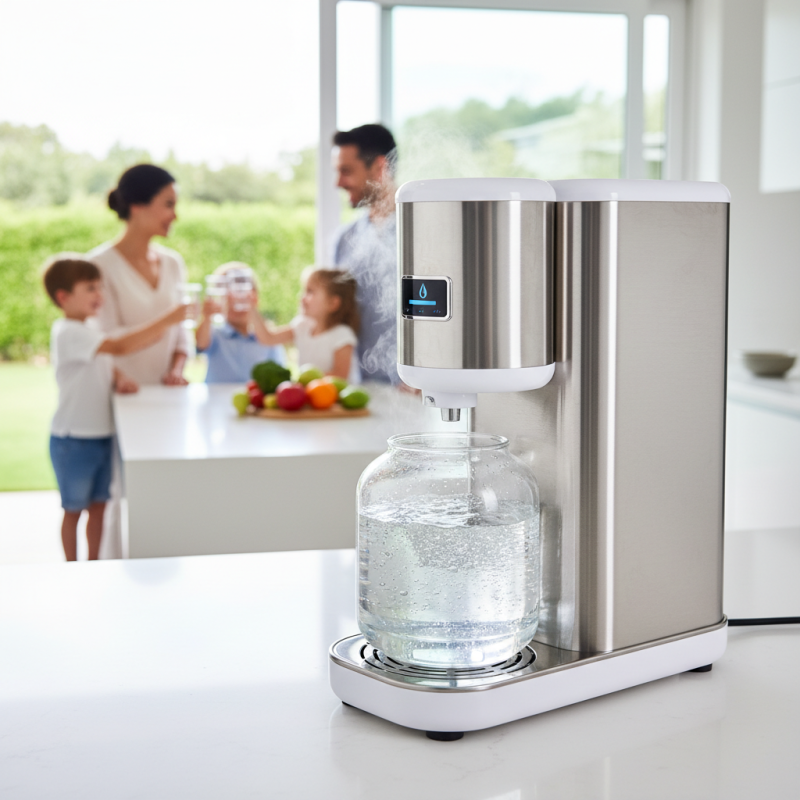
Distilled water machines are increasingly popular in homes. These devices effectively convert tap water into distilled water by boiling it and collecting the steam. This process eliminates impurities, including bacteria, minerals, and chemicals. According to the EPA, distillation can remove up to 99.9% of contaminants. This ensures that the water is not only clean but also safe for drinking.
People seek distilled water for various reasons. Many are concerned about the presence of harmful substances in normal tap water. Reports indicate that over 50% of the U.S. population may be exposed to unsafe drinking water at some point. Moreover, distilled water is often recommended for specific uses like filling humidifiers and medical devices. Its purity prevents mineral buildup and enhances longevity.
However, relying solely on distilled water has its drawbacks. While it is safe, it lacks essential minerals that the body needs. Some experts argue that drinking only distilled water may lead to mineral deficiencies. It’s essential for consumers to consider both the purity and the nutritional aspect of their water intake. Balancing distilled water with other sources might be necessary to ensure overall health.
Key Features to Consider When Choosing a Distilled Water Machine
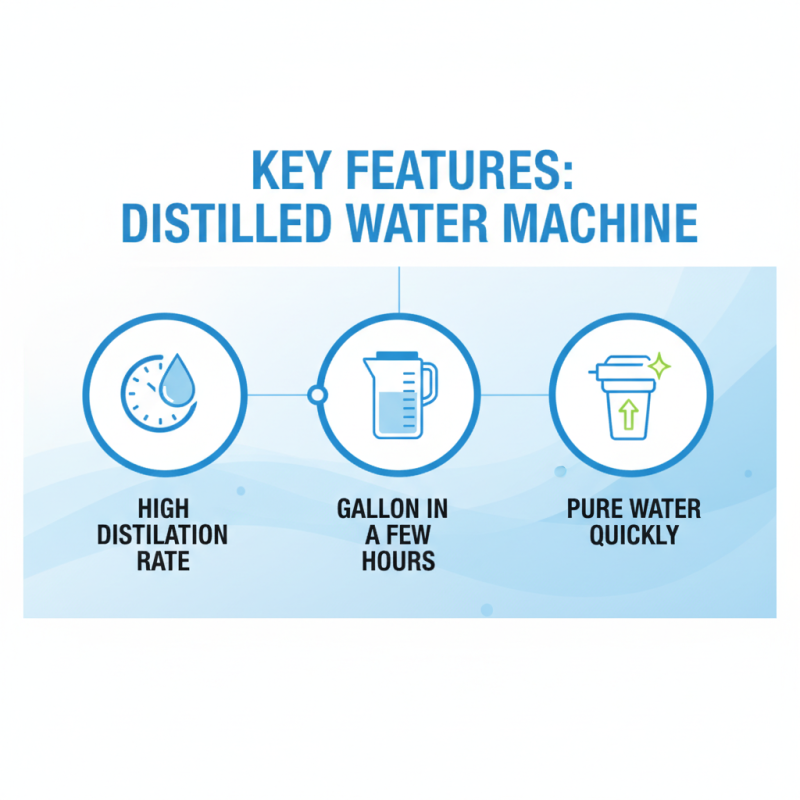
When selecting a distilled water machine, several key features become essential. A good machine should have a high distillation rate. This efficiency ensures you receive pure water quickly, reflecting your daily needs. Look for units that offer at least a gallon of distilled water within a few hours.
The build quality of the machine is another important factor. Stainless steel is often preferable, as it resists corrosion and ensures longevity. Some machines also include features like a built-in filter system, enhancing water purity even further.
Noise levels in operation can vary significantly between models. Some users may appreciate a quieter machine, especially in home settings. It’s worthwhile to read reviews about the noise produced during distillation. Furthermore, consider the ease of cleaning and maintenance. A machine with removable components can make the process simpler. While certain models may possess excellent features, they may also be complicated to use. Balancing efficiency, durability, and user-friendliness is crucial for long-term satisfaction.
Top 10 Distilled Water Machines for 2026: A Comprehensive Review
When selecting distilled water machines, quality and performance are key factors. In 2026, many options promise clean drinking water. These machines remove impurities, ensuring safe hydration. Look for units with high efficiency. Their ability to produce water quickly can be a game changer for busy households.
Consider the design and capacity of each machine. Some are compact, perfect for small kitchens. Others offer larger tanks, ideal for families. Not every machine can meet every need, though. It’s essential to assess your specific requirements. Some users had issues with maintenance. Regular cleaning is necessary for optimal performance.
Price is another important element. Higher cost does not always guarantee better quality. Some budget-friendly options work just as effectively. Read reviews and feedback from other users. Real-world experience can reveal the strengths and weaknesses of each product. Choosing the right distilled water machine can ensure pure and refreshing drinking water for years to come.
Top 10 Distilled Water Machines - Performance Comparison
Comparison of Pricing and Value for Distilled Water Machines
When evaluating distilled water machines, pricing and value are critical factors. Current market trends report that a reliable distilled water machine can vary significantly in price, ranging from $100 to over $500. This wide range reflects differences in capacity, construction quality, and additional features like built-in filtration. A 2023 industry report suggests that consumers should prioritize units with at least a 4-liter capacity for household use, balancing affordability with functionality.
Another point of consideration is maintenance costs. Many machines require routine cleaning and occasional filter replacements. These costs can add to the initial purchase price. According to recent surveys, around 30% of users reported underestimating maintenance needs, leading to dissatisfaction. Choosing a machine that balances upfront investment and long-term upkeep is essential for lasting value. Additionally, warranty services and customer support can greatly influence overall satisfaction. In many cases, investing a bit more upfront can lead to better support and longevity, ultimately providing a pure drinking water solution that meets various household demands.
Maintenance and Care Tips for Optimal Distilled Water Production
Proper maintenance of distilled water machines is essential for optimal performance. A study by the Water Quality Association highlights that regular care can increase the machine's efficiency by up to 30%. Regularly cleaning and checking filters helps avoid impurities in the water. Most machines require filter changes every 6 to 12 months, depending on usage.
Operators should monitor their machines closely. Calcium buildup can significantly hinder performance. Regular descaling using vinegar or a diluted citric acid solution helps to maintain the machine's efficiency. Ignoring this can lead to a decrease in water quality, and could potentially break the machine. Many people overlook this simple task, resulting in costly repairs.
Periodic testing of the distilled water quality is also vital. Tests should check for total dissolved solids and contaminants. The EPA recommends keeping TDS levels below 10 ppm for ideal drinking water. To ensure optimal production, users should document maintenance activities. This habit often leads to better care understanding over time.
10 Best Distilled Water Machines for Pure Drinking Water in 2026
| Model |
Distillation Capacity (Liters) |
Time per Cycle (Hours) |
Energy Efficiency (kWh) |
Price ($) |
User Rating (Out of 5) |
Maintenance Tips |
| Model A |
4 |
6 |
2.0 |
150 |
4.5 |
Clean heating element regularly. |
| Model B |
6 |
5 |
1.5 |
200 |
4.7 |
Descale monthly. |
| Model C |
3 |
7 |
2.5 |
130 |
4.2 |
Rinse after every use. |
| Model D |
5 |
4.5 |
1.8 |
180 |
4.6 |
Check filters regularly. |
| Model E |
8 |
3 |
2.2 |
220 |
4.8 |
Perform a deep clean every 6 months. |