Top 10 Osmosis Filter Systems in China for Pure Water Solutions?
Choosing the right osmosis filter is critical for ensuring pure water at home. Many people overlook the importance of this system. An effective osmosis filter removes impurities, ensuring clean drinking water. However, not all systems are created equal.
In China, a growing number of brands offer various osmosis filter options. Understanding their differences is key to making an informed choice. Some systems excel in filtration speed, while others prioritize water taste. Researching reputable brands can be time-consuming, but it is essential for health.
Many consumers face challenges when selecting an osmosis filter. Misleading marketing claims often confuse buyers. It’s vital to rely on trustworthy sources for information. Evaluating customer reviews and expert opinions can help. Navigating these choices may seem daunting, yet it’s worth the effort to achieve pure water solutions.
Overview of Osmosis Filter Systems in China
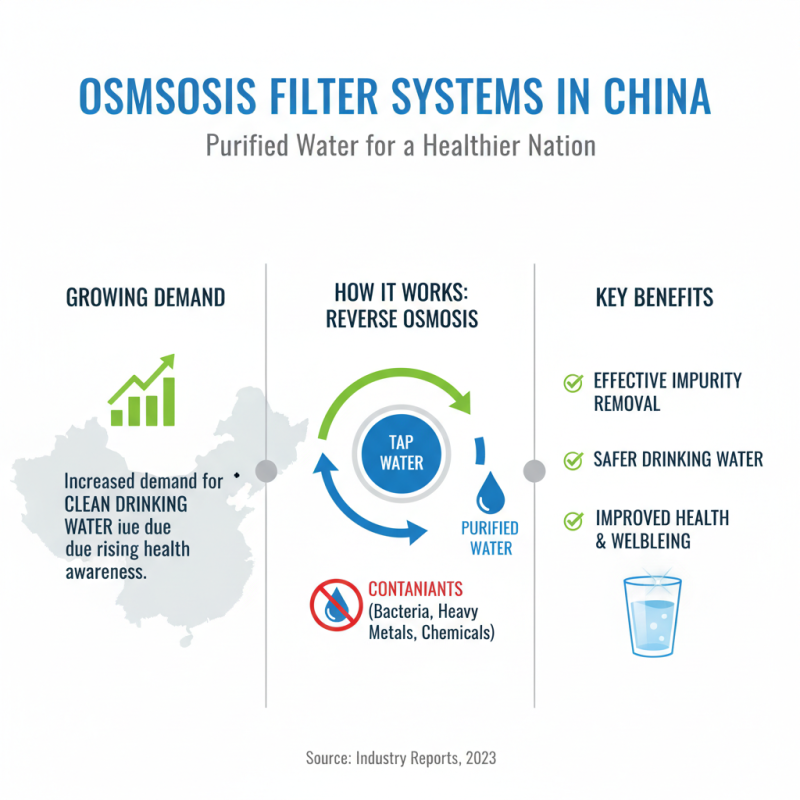
Osmosis filter systems are increasingly popular in China for their ability to provide purified water. They employ reverse osmosis technology to eliminate impurities effectively. This ensures that contaminants like bacteria, heavy metals, and chemicals are removed from tap water. In recent years, the demand for clean drinking water has risen, pushing consumers toward these advanced filtration systems.
While the technology is impressive, choosing the right system can be challenging. Many options are on the market, making it difficult to discern which provide the best performance. Some systems may promise quick results but lack durability. It's crucial to consider factors like water source quality and system maintenance. The reliability of water filtration systems can directly impact health and well-being.
In urban areas, water quality varies significantly. Not everyone can access high-purity water. Some systems may not meet the required standards under certain conditions. Hence, users often face decisions based on personal needs and environmental factors. Understanding how these systems work aids in making informed choices. Knowledge about maintenance and replacement schedules can prolong the lifespan of these filters.
Key Features to Consider in Osmosis Filters
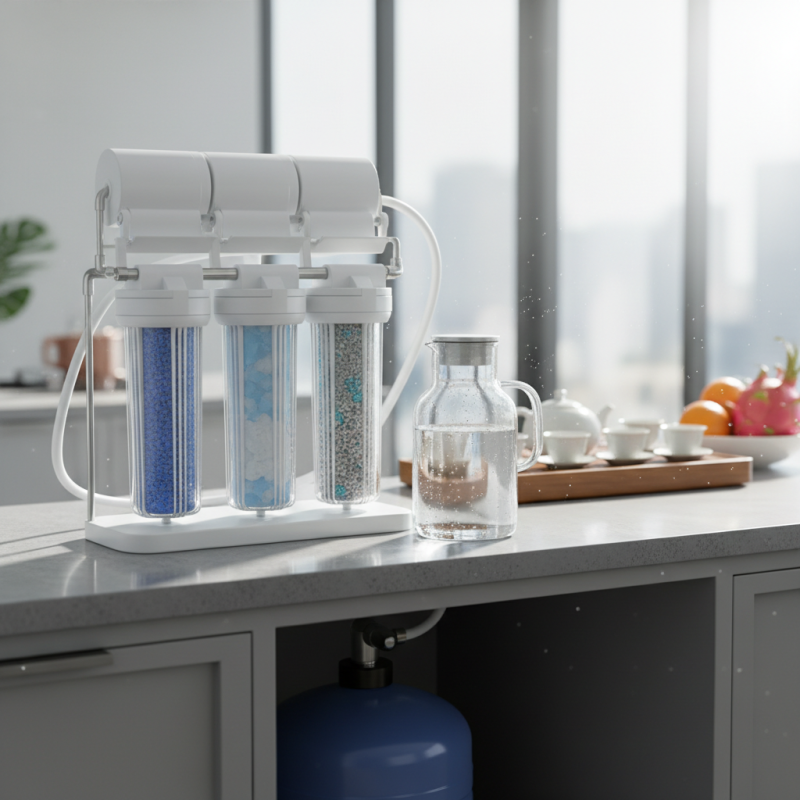
When choosing an osmosis filter system, focus on essential features. The filtration capacity is crucial. A system that offers a high gallon-per-day capability can meet your household needs effectively. Look for multi-stage filtration too. More filtration stages can remove a wider range of contaminants.
Pay attention to the filter lifespan. Some filters need frequent changes, increasing maintenance costs. Systems with long-lasting filters provide convenience and save money. It’s important to consider the ease of installation as well. Complicated setups can lead to frustration.
Tips: Assess your water quality before purchasing. Testing kits can help identify specific contaminants. This knowledge allows you to choose the right filtration system. Don't overlook customer reviews. They often reveal insights about reliability and performance over time. A thorough research helps make informed decisions, leading to better water quality for your family.
Top Brands of Osmosis Filter Systems Available in China
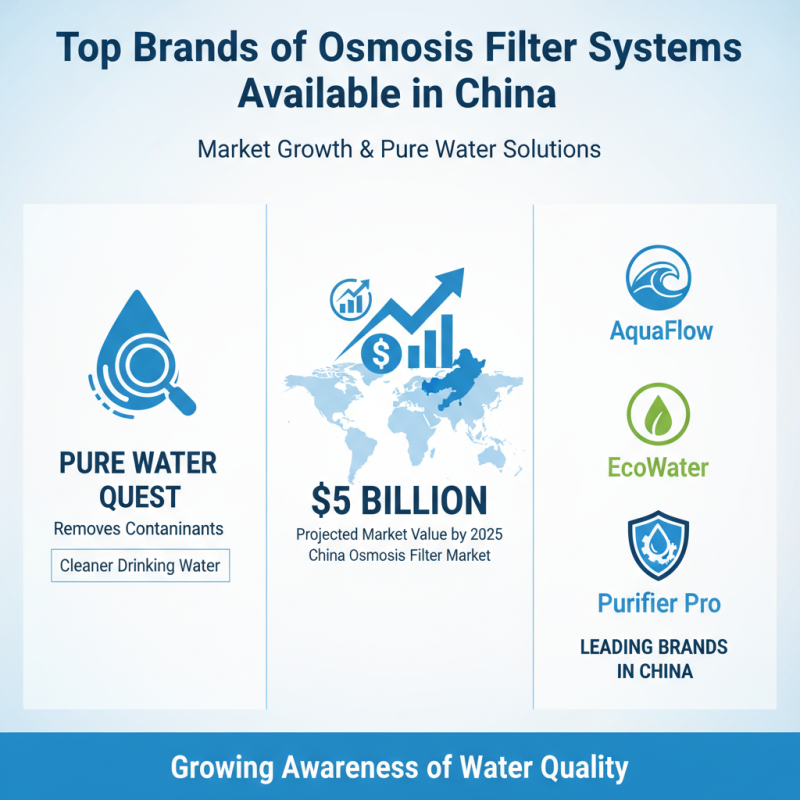
In the quest for pure water solutions, osmosis filter systems have become increasingly popular in China. The technology effectively removes contaminants, providing consumers with cleaner drinking water. Research indicates that the market for these systems is growing, projected to reach approximately $5 billion by 2025. This growth reflects a rising awareness of water quality issues among consumers.
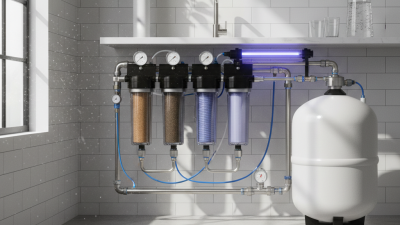
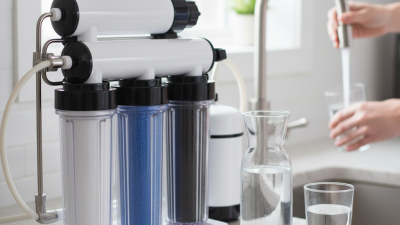
Top brands in osmosis filter systems offer a variety of features. Many systems utilize multi-stage filtration technology, enhancing their effectiveness. Data shows that reverse osmosis filters can reduce up to 99% of impurities, including heavy metals and bacteria. Users often seek assurance of quality; consumer reviews indicate mixed experiences with installation and maintenance. Some systems are easy to install, while others can be cumbersome, requiring professional help.
Despite their advantages, no system is perfect. Users may encounter issues with flow rate or filter lifespan. An analysis of user feedback reveals that certain brands may have higher failure rates than others. Consumers are urged to consider these factors, along with their water quality needs, when choosing an osmosis filter system. Understanding the nuances can lead to a more informed decision in a growing and competitive market.
Comparison of Performance and Efficiency of Leading Systems
When evaluating osmosis filter systems in China, performance and efficiency play crucial roles. The ideal system should effectively remove contaminants while ensuring minimal water wastage. Key features to consider include the filtration capacity, retention rate, and maintenance needs. Many systems vary significantly in how quickly they produce purified water.
A quality osmosis filter can tackle heavy metals, chlorine, and other impurities. However, some models may struggle with certain contaminants. Regular testing of water quality is essential. This ensures the system is performing optimally. Don't overlook user reviews that highlight real experiences and challenges with each system.
Tip: Check for certifications that prove the system's reliability. Look for independent lab tests as they provide an objective assessment of performance. These details can guide you to make a more informed decision. Remember to reflect on your specific water needs. Each household may require different features based on local water quality.
Top 10 Osmosis Filter Systems in China for Pure Water Solutions
| Model |
Filtration Capacity (L/day) |
Number of Stages |
Removal Rate (%) |
Efficiency Rating |
Price (CNY) |
| Model A |
400 |
6 |
98 |
A++ |
2,500 |
| Model B |
500 |
5 |
97 |
A+ |
3,000 |
| Model C |
350 |
4 |
95 |
A |
2,000 |
| Model D |
600 |
7 |
99 |
A++ |
3,500 |
| Model E |
700 |
8 |
98 |
A++ |
4,000 |
| Model F |
450 |
5 |
96 |
A |
2,800 |
| Model G |
550 |
6 |
97 |
A+ |
3,200 |
| Model H |
800 |
9 |
99 |
A++ |
4,500 |
| Model I |
300 |
4 |
94 |
B |
1,500 |
| Model J |
650 |
7 |
98 |
A+ |
3,900 |
User Reviews and Experiences with Osmosis Filters in China
Osmosis filter systems are gaining popularity in China for their effective water purification capabilities. Recent industry reports indicate that the domestic demand for such systems has surged by over 25% in the last three years. Many users report significant improvements in tap water quality after installation. They appreciate the reduction in contaminants and the crisp taste of filtered water.
However, user experiences can vary. Some people find installation to be a challenge. The complexity can discourage potential buyers. Reports suggest that about 15% of users faced difficulties setting up their systems correctly. Additionally, maintenance issues arise. Filters need regular replacement, and prices can be inconsistent across the market. Users often express frustration over unexpected costs related to upkeep.
Feedback suggests that consumer education is essential. A common theme is the lack of clear instructions, leading to misunderstandings. Even though many systems vary in performance, users often recommend thorough research before deciding on a model. Reliable reviews and user experiences can be invaluable in guiding choices.
Top 10 Osmosis Filter Systems in China for Pure Water Solutions