2026 Best Osmosis Filter Options for Clean and Safe Drinking Water?
In our quest for clean, safe drinking water, choosing the right osmosis filter is essential. With numerous options on the market, understanding which model works best can be overwhelming. Different osmosis filters offer varying levels of purification, and the right choice heavily depends on individual needs and water quality.
This guide explores the best osmosis filter options for 2026. We will delve into product features, benefits, and customer feedback. By keeping user experiences in mind, we can present reliable recommendations. However, no one filter is perfect for every household. Water conditions and personal preferences play a significant role in selecting the right system.
Furthermore, it’s vital to balance quality with affordability. Some filters may offer advanced features, but they come at a higher cost. It's crucial to assess long-term maintenance and filter replacement costs too. Insecure choices can lead to regret. Let’s examine which osmosis filter options stand out this year.
2026 Advances in Reverse Osmosis Technology for Home Filtration Systems
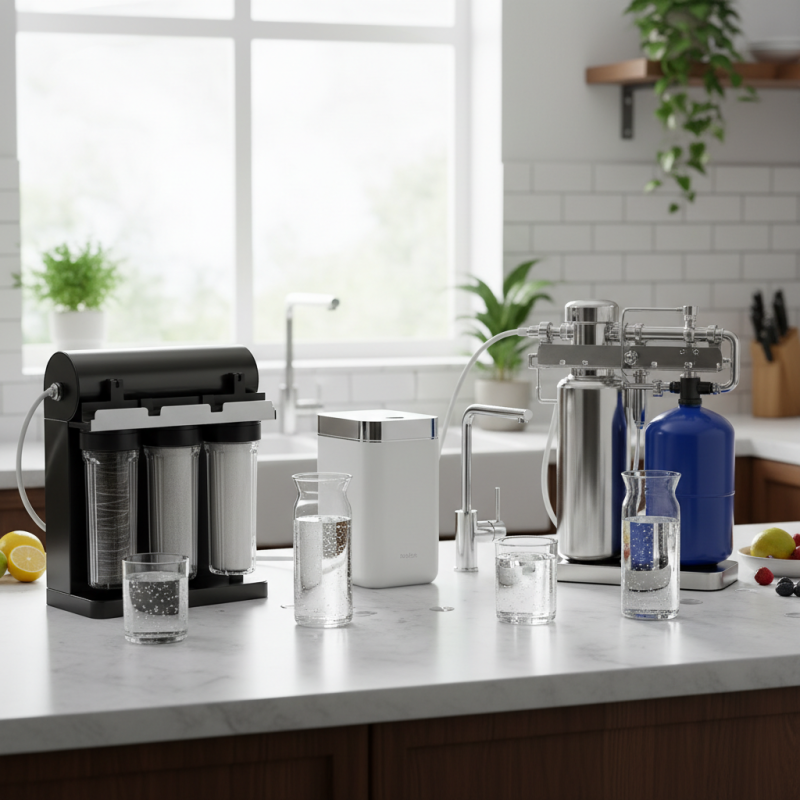
The advancements in reverse osmosis technology are transforming home filtration systems. In 2026, users will experience more efficient filters that remove contaminants effectively. These systems now offer faster water flow rates, ensuring families have access to clean water when needed. Improved membrane materials are durable and work efficiently, promising longer lifespans and lower energy consumption.
New smart features allow users to monitor water quality in real-time. You can check levels of various contaminants through mobile apps. While technology increases reliability, some users may struggle to understand all the data provided. Educational resources are essential to help customers make informed decisions. Despite the innovations, challenges remain in the affordability of high-end systems, which can be overwhelming for budget-conscious families.
Reverse osmosis systems are easier to install now. However, some may still find the process complicated. Seeking professional help can ease concerns. The need for regular maintenance persists, which might discourage some users. With ongoing research and development, the future looks promising for those seeking safe, clean drinking water at home.
Key Features to Consider When Selecting an Osmosis Filter in 2026
When choosing an osmosis filter in 2026, it's essential to focus on specific features that ensure clean and safe drinking water. One key aspect is the filter's stage count. Generally, models with five or more stages provide more comprehensive filtration. According to industry data, higher stage counts can remove up to 99% of contaminants, including lead and chlorine. Each filter stage targets specific impurities, enhancing overall water quality.
Another crucial factor is the filter's flow rate. Many households need a system that can deliver sufficient water without delay. Systems with optimal flow rates can produce up to 50 gallons per day. However, these models often require regular maintenance to maintain efficiency. Users should be aware that filter lifespan varies based on water quality and usage.
It's also wise to consider replacement costs. Some filters may require frequent changes, impacting long-term affordability. The average replacement cost can range from $50 to $150 annually. Balancing initial investment and ongoing expenses is vital for sustainable water purification. Ultimately, understanding these features empowers consumers to make informed choices in 2026.
2026 Best Osmosis Filter Options for Clean and Safe Drinking Water
| Filter Model |
Stages |
Membrane Type |
Water Flow Rate (GPD) |
Filter Lifespan (Months) |
Price Range |
| Model A |
5 |
Thin Film Composite |
75 |
24 |
$150 - $200 |
| Model B |
6 |
Polyamide |
80 |
36 |
$250 - $300 |
| Model C |
7 |
Cellulose Triacetate |
60 |
18 |
$100 - $150 |
| Model D |
8 |
Composite Membrane |
100 |
24 |
$200 - $250 |
| Model E |
5 |
Thin Film Composite |
50 |
12 |
$80 - $120 |
Comparative Analysis of Top Osmosis Filters Based on Water Purity Reports
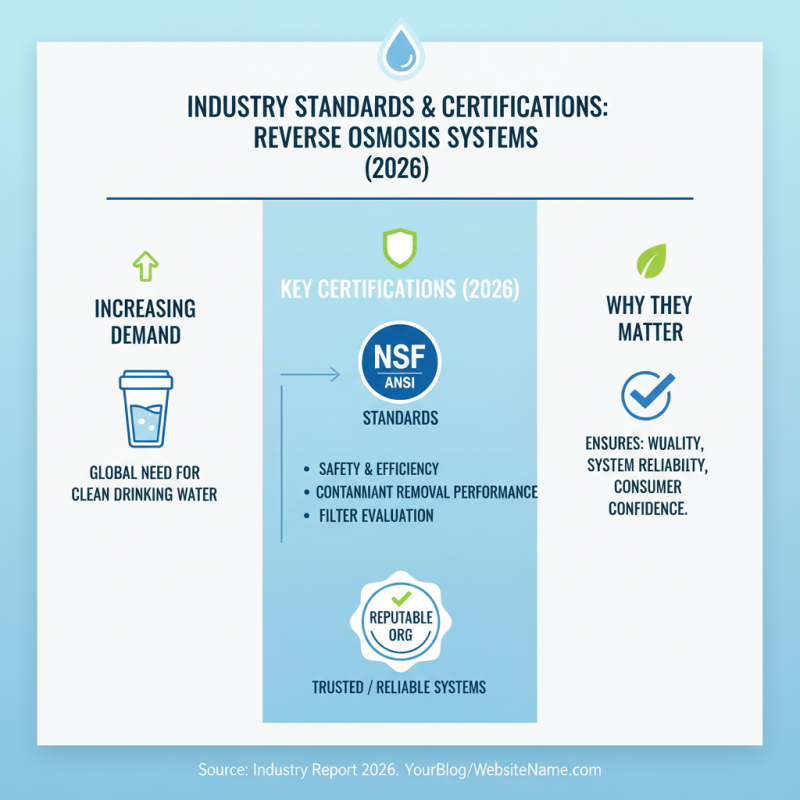
When evaluating the best osmosis filters, focus on water purity reports. These reports highlight how effectively filters remove contaminants. A reputable study from the National Sanitation Foundation revealed that high-quality osmosis filters can eliminate up to 99% of total dissolved solids. This is crucial for ensuring safe drinking water.
Not all filters achieve the same standard. Some reports indicate that cheaper models may only remove 80% of impurities. Regular testing of water quality can reveal shortcomings in these systems. It's essential to consider advanced filtration technologies that integrate multiple stages of purification. They provide a more comprehensive approach to water safety.
The importance of regular maintenance cannot be overstated. Users often overlook filter replacements and upkeep. Over time, clogged membranes can fail to provide adequate purity levels. Many consumers need to reflect on their water filter choices to ensure they prioritize safety and compliance with health standards. This vigilance helps safeguard against hidden contaminants.
Cost-Effectiveness of Osmosis Filters: Long-Term Savings on Water Quality
When examining the cost-effectiveness of osmosis filters, initial expenses may seem high. However, over time, the savings become evident. Buying bottled water adds up quickly. An osmosis filter can significantly reduce that expense. Furthermore, it enhances water quality, making every drop safer for consumption. This long-term investment pays off in health and savings.
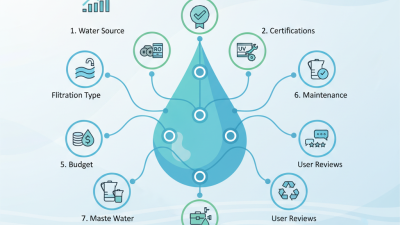
To choose the right filter, consider your water source. Test your water quality beforehand. Understanding contaminants helps in selecting a suitable model. Installation can feel daunting. Many filters come with user-friendly guides. Professional installation is an option too. Ensure regular maintenance for optimal performance.
Think about the environmental impact as well. Reducing plastic waste is significant. Using a home filtration system supports sustainability efforts. Sometimes, filters may need replacement sooner than expected. Regular checks can prevent unexpected costs. Investing in good quality filters can lead to fewer replacements. Then, the long-term savings multiply.