What is an Osmosis Filter and How Does It Work?
An Osmosis Filter is a crucial element in modern water purification systems. It uses a semi-permeable membrane to remove contaminants from water. According to Dr. Emily Grant, an expert in water filtration technology, “Osmosis Filters offer a reliable way to ensure clean drinking water.” This statement highlights the importance of this technology in our everyday lives.
The working principle of an Osmosis Filter involves moving water molecules through a membrane while leaving impurities behind. This method is effective in reducing harmful substances. Yet, there are some limitations. Not all impurities may be filtered out completely. Some users have reported a change in taste if the filter is not maintained properly.
In a world where clean water is essential, understanding the Osmosis Filter is vital. While it provides a significant benefit, it’s also necessary to prioritize regular maintenance. This ensures the filter performs optimally. Relying solely on this technology without consideration can lead to missed opportunities for improvement. Balancing efficacy and care is key for effective water filtration.

Understanding the Basics of Osmosis in Water Filtration
Osmosis is a vital process in water filtration. It involves the movement of water molecules across a semi-permeable membrane. This membrane allows only certain substances to pass through. Water moves from areas of low solute concentration to high solute concentration. This natural process can effectively purify water, removing contaminants and impurities.
Research shows that osmosis filters can remove up to 99% of certain pollutants. A study by the Water Quality Association states that reverse osmosis systems are highly effective. These systems can eliminate harmful substances like lead and arsenic. Yet, they may also remove beneficial minerals found in water. This raises concerns about mineral deficiency in water consumers.
Understanding this process is crucial. Osmosis filters are not infallible. They might require regular maintenance to ensure optimal function. If neglected, they can become breeding grounds for bacteria. Moreover, the waste produced during filtration can be a significant concern. Balancing purity and sustainability is a challenge in water treatment today.
Understanding Water Filtration Efficiency: Osmosis Filter Performance
What Is an Osmosis Filter and Its Primary Components?
An osmosis filter is an essential component in water purification systems. It utilizes a semi-permeable membrane to separate impurities from water. This membrane allows only water molecules to pass through while blocking larger contaminants, such as bacteria and heavy metals. Understanding the primary components helps in recognizing its significance.
The membrane is the heart of the osmosis filter. It is typically made from thin layers of polyamide. This material is designed to withstand high pressure and effectively filter out particles.
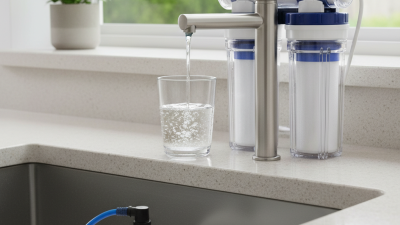
Aside from the membrane, other components include pre-filters and post-filters. Pre-filters remove larger particles, while post-filters ensure the water is clean and tastes fresh. Each part works in harmony to achieve optimal filtration.
While the technology is impressive, it can have downsides. Regular maintenance is necessary to prevent clogging, and filters must be replaced periodically. Some users may also find the water purification process slow. This requires time and patience, which can be frustrating. Understanding these drawbacks is crucial for anyone considering an osmosis filter system.
How Osmosis Filters Function in Water Purification Processes
Osmosis filters are essential in water purification. They operate based on a natural process called osmosis. This process involves the movement of water through a semi-permeable membrane. The membrane allows water molecules to pass while blocking larger contaminants.
In water purification, osmosis filters remove impurities effectively. When water is pushed through the membrane, contaminants such as bacteria, salts, and chemicals are left behind. This leaves you with cleaner water. The efficiency of these filters depends on factors such as pressure and temperature. Inadequate pressure can lead to incomplete filtration, resulting in water that still contains some impurities.
Tips: Regular maintenance of your osmosis filter is crucial. Replace the membranes as recommended to ensure optimal performance. Monitor water quality to catch any potential issues early. Often, a gradual buildup of deposits can affect filtration performance. It's important to review and adjust your system based on your water source and needs. Don’t neglect the importance of pre-filters, as they can protect your osmosis filter and extend its lifespan.
Advantages of Using Osmosis Filters for Drinking Water
Osmosis filters are essential for producing clean drinking water. They work by using a semi-permeable membrane to remove impurities. This process effectively decreases contaminants in water, ensuring a healthier option for daily consumption.
One key advantage of osmosis filters is their ability to remove harmful substances. Heavy metals, chlorine, and bacteria are filtered out, providing safer drinking water. Many people report improved taste and smell in their water after using these systems. This change encourages more hydration and a healthier lifestyle.
Tips: Regular maintenance of the filter is crucial. Changing cartridges as needed keeps the system efficient. Consider testing your water quality before and after filtration to see the differences. Understanding your water source helps in selecting the right filtration system. Even with an osmosis filter, staying mindful of potential contaminants in water sources is important.
Common Applications and Limitations of Osmosis Filters
Osmosis filters are widely used in various applications due to their unique mechanisms. They are effective in purifying water, making it safe for drinking and other uses. Many households rely on these filters for clean water. In industrial settings, they help treat wastewater, ensuring compliance with environmental regulations.
However, the limitations of osmosis filters can’t be ignored. These filters often require significant energy to operate. This can lead to high operational costs, especially for large systems. Additionally, they can produce a waste stream of concentrated contaminants. The maintenance of these filters can also be challenging, requiring regular monitoring and replacement of membrane components.
In certain situations, the filtering process can remove beneficial minerals from water. This loss raises concerns about the overall health implications. Users must weigh the benefits of purified water against potential downsides. Balancing these factors is crucial for making informed decisions about osmosis filter use.