2026 Top Osmosis Filter Trends You Need to Know?
As we approach 2026, the relevance of osmosis filters continues to rise. These devices are essential for providing clean drinking water. Reports from the Water Quality Association reveal that over 50% of American households now use some type of water filtration system. Among them, osmosis filters are gaining significant traction due to their efficiency.
Recent data highlights a growing awareness of water quality issues. A survey indicated that 78% of consumers prioritize safe drinking water. This trend boosts the demand for osmosis filters, especially in urban areas facing water contamination. However, while these systems are effective, they are not without flaws. Maintenance is crucial to ensure optimal performance, and consumer education is still lacking.
New trends are shaping the osmosis filter market. Technologies are evolving, making systems more user-friendly and efficient. Yet, there is a need for constant innovation and improvement. As we explore these trends, understanding both the advantages and limitations of osmosis filters is essential. This knowledge empowers consumers to make informed choices while addressing their water quality needs.
Emerging Technologies in Osmosis Filter Design for 2026
As we approach 2026, the landscape of osmosis filter technology is rapidly evolving. Innovative designs are at the forefront, driven by the need for improved efficiency and performance. A recent industry report predicts that the global water filtration market will grow by 10% annually, fueled by technological advancements in membrane materials.
Emerging technologies such as graphene-based membranes show great promise. These materials can provide higher permeation rates while maintaining selectivity. The potential reduction in energy consumption is also significant. Studies indicate that filters using such materials could reduce energy needs by up to 30% compared to traditional systems. This shift could lead to lower operational costs for both residential and industrial applications.
Another trend is the integration of IoT in filtration systems. Smart filters can monitor water quality and usage in real-time. This allows for proactive maintenance and better management of resources. However, challenges remain around data security and system reliability. Ongoing research will be crucial to address these concerns and ensure safe, efficient operations. The path to 2026 seems promising, yet it requires careful navigation of technical and ethical considerations.
Sustainability and Eco-Friendly Practices in Osmosis Filter Production
Sustainability is gaining traction in the production of osmosis filters. Manufacturers are increasingly using eco-friendly materials.
Biodegradable components reduce waste significantly. Renewable energy sources during production are becoming more common. This shift not only benefits the planet but also attracts environmentally conscious consumers.
However, not all practices are perfect. Some companies claim to be eco-friendly without solid proof. It’s essential for consumers to verify claims made by manufacturers.
Transparency in production processes is vital. Additionally, some osmosis filters may still rely on unsustainable materials.
This inconsistency raises questions about the industry's true commitment to sustainability.
Innovative designs are emerging, emphasizing energy efficiency. New filtration systems require less water to operate effectively.
This helps conserve a precious resource while ensuring clean water access.
Still, there is a long way to go. The industry must continue pushing for improvements. Addressing these challenges will further enhance the commitment to eco-friendly practices.
Advancements in Membrane Materials for Enhanced Osmosis Efficiency
In recent years, advancements in membrane materials have significantly improved osmosis efficiency.
Innovative technologies are emerging, promoting more sustainable and effective filtration processes.
Membranes made from biomimetic materials are gaining popularity. These materials mimic nature, enhancing water permeability and selectivity.
New polymer blends are being developed, offering greater durability and resistance. This leads to prolonged lifespan and reliability of the filters.
While these advancements are promising, they also come with challenges. Manufacturers must ensure that these new materials can be produced sustainably.
Tips: Regular maintenance is crucial. Clean filters help maintain optimal performance.
Check for leaks or damages frequently. Understanding the limitations of new materials is important. They may not solve all filtration issues.
Research is key. Seek expert advice to evaluate specific needs and system compatibility.
Consumer Preferences: What Users Look for in Osmosis Filters in 2026
In 2026, consumer preferences for osmosis filters show notable trends. A recent survey reveals that over 70% of users prioritize water quality. Pure and safe drinking water remains a top concern. An impressive 65% of consumers value filters that remove contaminants effectively. These figures underline the demand for advanced filtration technology.
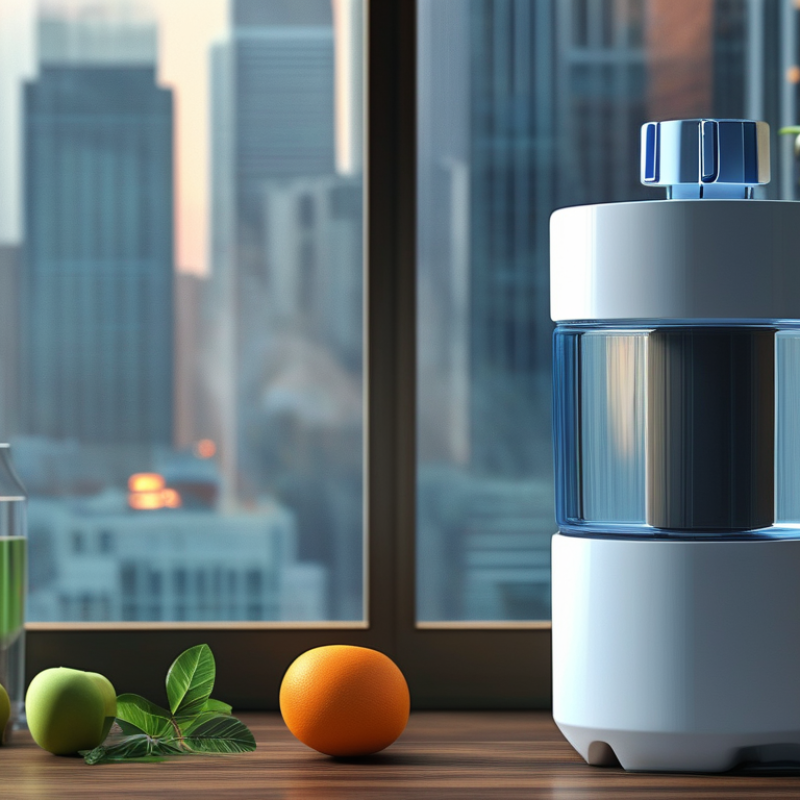
Design matters too. Over 60% of users prefer sleek, compact designs that fit seamlessly into modern kitchens. Aesthetic appeal influences their purchasing decisions. Additionally, convenience features attract attention. Smart technology integration, such as app connectivity, is becoming increasingly popular, with 40% of users seeking this option.
Though these preferences shape the market, gaps still exist. Many products fail to meet durability expectations. Some filters may not last as long as advertised. Consumers are becoming more discerning, expecting transparency regarding longevity and efficiency. As awareness of these issues grows, manufacturers must adapt to remain competitive in this evolving landscape.
Market Trends: The Future of Osmosis Filter Sales and Innovations
The market for osmosis filters is evolving rapidly. Innovations are driving sales and improving efficiency. Consumers demand higher quality and better performance. The trend indicates a shift towards more sustainable solutions. These systems now use less water and energy. Advanced technologies are helping manufacturers meet these new demands. Expect to see greater customization options in product lines.
Tips: When purchasing an osmosis filter, check its efficiency rating. Look for models that minimize water waste. Think about your specific needs before buying. Consider the maintenance requirements of different systems. Some filters may need frequent changes, while others are more durable.
Innovation is not just about technology. Design plays a critical role too. Sleek, user-friendly designs are becoming standard. More companies are focusing on aesthetic appeal and compact size. However, not all innovations are practical. Some advanced features may complicate usage rather than enhance it. Choosing the right balance is crucial for end-users and manufacturers alike.