What Is the Best Distilled Water Machine to Buy?
Choosing the best Distilled Water Machine depends on how much water you use, where the unit will sit, and how much upkeep you can manage. A compact countertop model may suit one person, while a larger household may need greater daily output. Check the manufacturer’s stated capacity, cycle time, power use, and warranty before comparing prices. Numbers matter.
A typical distiller heats water, collects the vapor, and cools it back into liquid. This process reduces many dissolved minerals and impurities, but performance varies by model and water source. Some units include a carbon post-filter; others do not. Read the specifications carefully, and follow the maker’s guidance on suitable feedwater. Don’t assume every machine produces identical results.
Look beyond the advertised output. Consider the water-contact materials, automatic shutoff, collection jug, replacement-filter cost, and how easily the boiling chamber can be cleaned. A narrow opening can make scale removal frustrating, especially with frequent use. Imagine lifting a full glass jug from a warm countertop each evening. Small details become daily habits.
This guide compares practical features rather than treating one model as right for everyone. It also considers noise, energy use, maintenance, and long-term ownership costs. A higher price may bring useful convenience, but it does not guarantee a better fit. And specifications rarely tell the whole story. Check current product details, since models and included accessories can change.
How a Distilled Water Machine Works
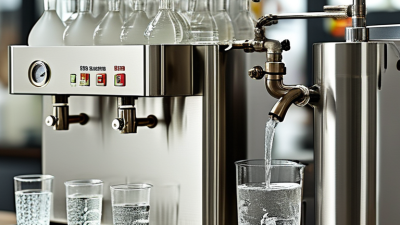
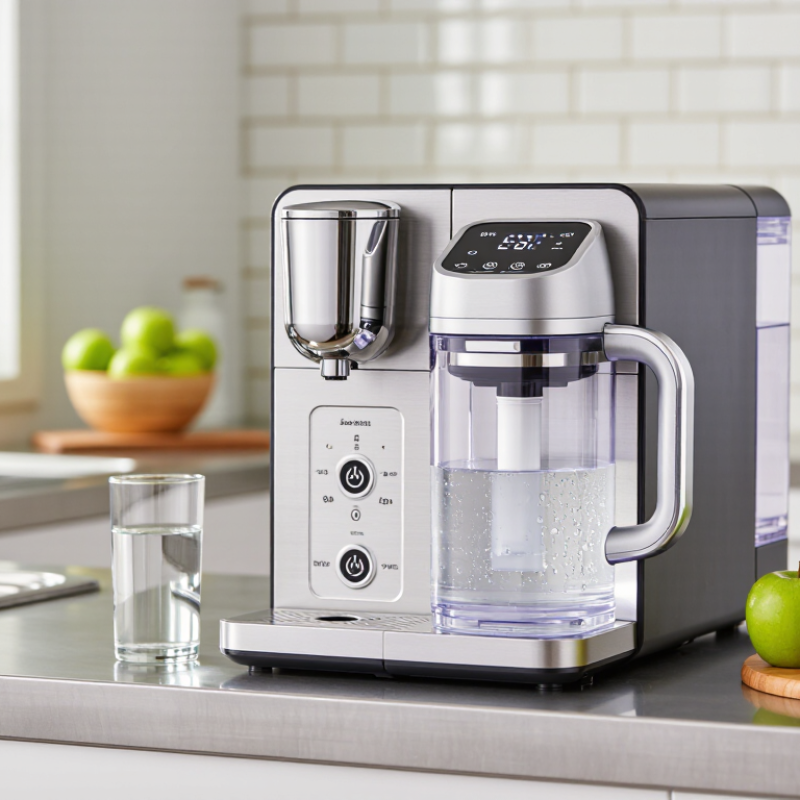
A distilled water machine heats water in a sealed boiling chamber. As water becomes steam, many dissolved minerals and microbes remain behind. The steam travels through a cooling coil, condenses, and drips into a clean collection container. That’s the basic cycle. A small fan often helps cool the coil, while an automatic shutoff stops heating when the chamber runs dry.
The process takes real energy. The NIST Chemistry WebBook lists water’s heat of vaporization near 40.7 kilojoules per mole at its boiling point. That is roughly 0.63 kilowatt-hours of heat per liter, before accounting for heat loss and the machine’s other electrical needs. Actual use varies by design and room conditions. It is easy to overlook that.
Distillation can reduce many microbes, salts, and metals, but it is not a cure-all. The U.S. EPA’s guidance on home water treatment notes that some volatile organic compounds and certain pesticides may not be removed effectively. Some household units add a carbon post-filter to address selected compounds; follow its replacement schedule. Look inside the boiling chamber, too: mineral scale can build up like a pale ring around a kettle. Cleaning and correct storage matter. Even a good machine can produce disappointing water if its collection jug is dirty or its filter is overdue.
Types of Distillers and Their Uses
What Is the Best Distilled Water Machine to Buy? Types of Distillers and Their Uses
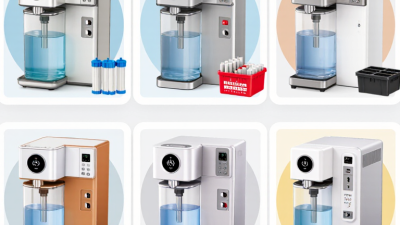
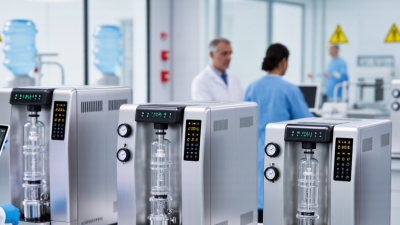
Distilled-water machines generally come in countertop batch, plumbed-in continuous, and larger commercial styles. Countertop units boil a tank of water, then cool the vapor into a container. They suit modest daily use, such as filling a kettle or humidifier. Small batches suit singles. But they need time between cycles. Continuous systems connect to a water line and suit households with steady demand, though installation and maintenance are less simple. Commercial distillers serve clinics, laboratories, and workplaces that need larger volumes. They are usually excessive for an ordinary kitchen.
Choose by water source, daily volume, and the contaminants you need reduced. Distillation can reduce many dissolved minerals and microbes, but some volatile compounds may travel with vapor unless the unit manages them. Check performance claims and whether testing follows NSF/ANSI 62, a standard for drinking-water distillation systems. The WHO/UNICEF Joint Monitoring Programme reported that 2.2 billion people lacked safely managed drinking water in 2022. That figure describes global access, not a guarantee that any home distiller makes unsafe water safe.
Clean the boiling chamber regularly, and budget for electricity and replacement filters. A machine can look effortless. It isn’t always. Even a quiet unit beside the sink needs descaling, and some people find distilled water tastes flat. That trade-off is easy to overlook.
Key Features to Compare Before Buying
When comparing distilled water machines, start with batch capacity and cycle time. A compact unit may suit one person, but a family can empty its jug before the next cycle finishes. Check how much water it produces per run, not just the size of its reservoir. Capacity matters.
Look closely at the parts that touch water. A stainless-steel boiling chamber and a sturdy glass collection jug are practical details to verify in the manual. Also check whether the machine has automatic shutoff and overheat protection. These features reduce the need to monitor a long cycle, though they do not replace careful setup. A carbon post-filter may reduce some odors, but distillation does not guarantee removal of every possible contaminant. Review the manufacturer’s testing information for the specific model.
Cleaning can shape daily use more than a sleek control panel. Mineral scale may collect inside the boiling chamber, especially with hard tap water, so check how often descaling is recommended and whether the interior is easy to reach. Quiet operation helps. So does a lid that pours without dripping. Compare energy use, replacement-filter costs, warranty terms, and access to service parts. A low purchase price can look appealing; I would still pause over vague maintenance instructions. That small omission is easy to miss.
How to Choose a Machine for Your Needs
Choosing a distilled water machine starts with demand, not the largest advertised capacity. The National Academies’ 2004 Dietary Reference Intakes report gives adequate total-water intakes of about 3.7 liters daily for men and 2.7 liters for women, including water from food. These figures are not machine targets. Still, they help estimate household drinking needs. A couple who fills bottles and a kettle may need less output than a family that also uses distilled water for appliances. Small kitchens matter. Check batch size, cycle time, storage capacity, and whether the unit fits beneath your cabinets.
Look beyond output claims. Compare electricity use, cleaning steps, replacement parts, and the cost of storing water safely. Mineral scale can build up, so a removable boiling chamber may make routine cleaning easier. Check whether the exact model is certified to NSF/ANSI 62, a standard for drinking-water distillation systems; certification does not guarantee removal of every possible contaminant under every condition. Match the machine to your feed water and follow its maintenance instructions. One easy mistake is treating published daily fluid-intake figures as machine demand. They are only a planning reference, and your actual use may be lower.