

Leave Your Message

7 Best Distilled Water Machines in 2026

Choosing a Distilled Water Machine is not just about finding the fastest model. Capacity, countertop space, cleaning, and replacement parts can shape everyday use. A compact unit may suit one person, while a larger family may prefer a machine with a bigger collection jug. Small details matter. A lid that fits securely and a handle that stays cool can make a noticeable difference beside a busy kitchen sink.

This guide to the 7 Best Distilled Water Machines in 2026 compares practical features, including batch size, stated cycle time, materials, automatic shutoff, and ease of maintenance. It also considers the realities behind the product descriptions: distillation takes time, the machine needs regular cleaning, and mineral deposits can build up inside the boiling chamber. Check each manufacturer’s care instructions and performance claims before buying. Product specifications can change, and a feature listed on one model may not be available in every version.

There is no single best choice for every household. A lower-priced machine might meet basic needs, but long-term convenience depends on parts availability and how easy the unit is to maintain. That adds up. This overview is designed to help you compare options with clear expectations, not promise perfect water or effortless upkeep. Some trade-offs are easy to miss until the machine is sitting on your counter.
7 Best Distilled Water Machines in 2026

How Distilled Water Machines Work

A distilled water machine heats water in a sealed boiling chamber until it becomes steam. Dissolved minerals and many other nonvolatile substances remain behind, often forming a chalky crust on the chamber floor. The steam travels through a cooling coil, condenses into droplets, and collects in a clean container. Simple in principle. Not magic.

Distillation can reduce many microbes and dissolved solids, but it is not a guarantee against every contaminant. Some volatile chemicals may pass into the vapor, depending on the machine’s design and filtration. The WHO and UNICEF Joint Monitoring Programme estimated that 2.2 billion people lacked safely managed drinking water in 2022; household treatment can help, but it does not replace testing or safe storage. A WHO/UNICEF report is not a performance rating for countertop distillers, so check independent test results for the specific contaminants that concern you.

Tips: Empty the leftover water and wipe away scale regularly. Keep the collection jug covered, and replace any post-filter according to its instructions. A faint mineral ring is normal; a neglected chamber is not.
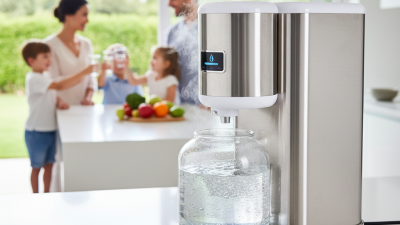
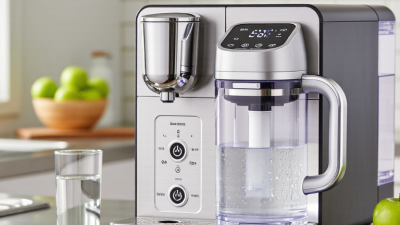
Key Features to Compare When Choosing a Machine in 2026

When comparing distilled-water machines in 2026, start with daily output and batch size. A compact unit may suit one person, while a family may need several litres per cycle. Check how long a full batch takes, not just the advertised capacity. A slow cycle can mean keeping a second water container ready. Small details matter.

Look at the parts that touch water. A glass collection jug or stainless-steel boiling chamber can be easier to inspect and clean. Mineral scale still builds up, so check whether the lid opens wide and the cleaning steps seem manageable.

Safety features such as automatic shutoff and boil-dry protection are worth comparing. Also consider power use, countertop space, and operating noise; a machine near a bedroom may feel louder at night.

Some models include a post-distillation carbon filter. Its purpose and replacement schedule should be clearly explained, since distillation alone may not remove every volatile compound. Warranty terms and access to replacement parts offer clues about long-term support.

One comparison can be awkward: published cycle times may vary with room temperature and starting water temperature, so treat them as estimates.

Seven Distilled Water Machines Compared by Performance and Design

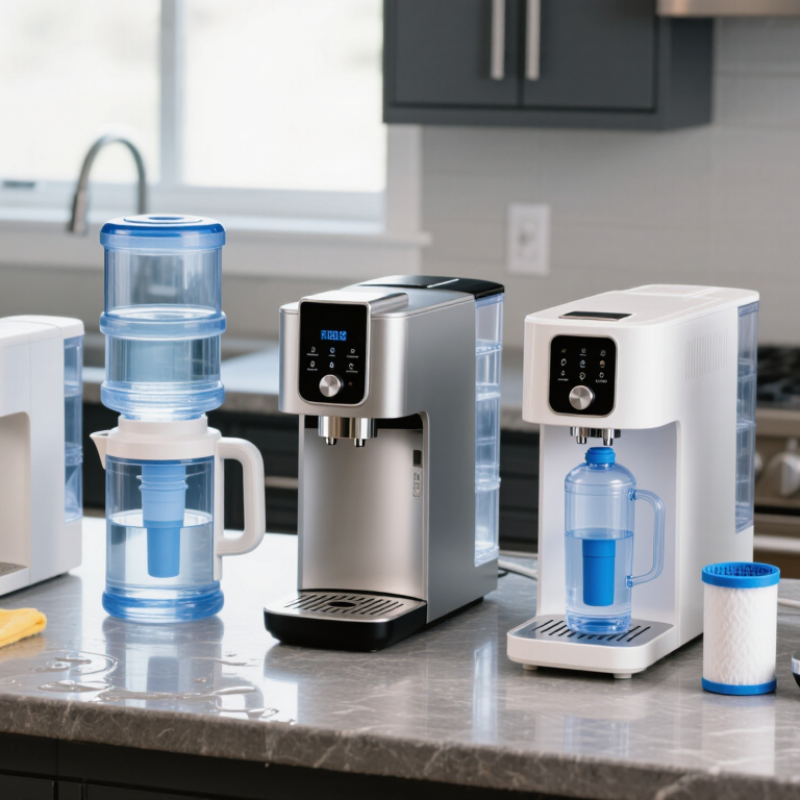
Comparing seven distilled water machines means looking beyond output claims. A useful review checks batch capacity, cycle time, power use, and how easily the boiling chamber can be cleaned. The machines may produce similar water, yet their daily performance can feel quite different. A clear collection jug helps track each batch, while a narrow opening can make pouring awkward.

Design affects the routine. Compact countertop units save space, but their smaller containers may need frequent refilling. Larger models suit busy kitchens, though they take up more room and can be harder to move. Stainless-steel interiors are often simpler to inspect than concealed surfaces. Still, a polished exterior does not guarantee easy maintenance. Check whether the lid, jug, and removable parts can be washed without awkward angles.

Noise and heat matter, too. A fan can be noticeable in a quiet room, and the machine needs space around its vents. Look for clear cycle indicators, automatic shutoff, and accessible cleaning instructions. Small details matter. Published cycle times are useful, but household conditions can change actual results. I would not rank a machine by appearance alone; a stylish control panel is less helpful if routine descaling feels tedious.

How to Set Up and Use a Distilled Water Machine

Place the distilled water machine on a stable, heat-resistant counter with open space around its vents. Read the manual before filling; models differ in capacity and cleaning instructions. Rinse the boiling chamber if the manufacturer recommends it, then add potable water without passing the fill line. Keep the electrical base dry. A small spill near the cord is easy to miss.

Close the lid securely and start the cycle. Distillation takes time, and the unit may release heat or steam, so keep hands and face away from the outlet. Let the water cool before handling the collection container. Use a clean, covered container to reduce dust and contact with surfaces. I once underestimated how warm the container could get; waiting a few minutes is worth it. Do not run the machine empty, and unplug it before cleaning.

Tips: Empty leftover water after use, then let the chamber cool. Remove mineral deposits only as directed in the manual; abrasive pads can damage surfaces. If the machine smells unusual, leaks, or makes unexpected noises, stop using it and check the manufacturer’s troubleshooting guidance. Cleaning can feel like a chore, but skipping it may affect performance.

Cleaning, Maintenance, and Safe Operation

A distilled water machine needs a clean chamber and a steady routine. Unplug it before cleaning, then let the heating chamber cool completely. Let it cool. Mineral scale often appears as a chalky ring or small flakes near the bottom. Remove it using only a cleaning method approved in the machine’s instructions; some surfaces can be damaged by harsh abrasives or unsuitable acids. Rinse the chamber thoroughly and dry accessible parts with a clean cloth. Never immerse the electrical base, even when it looks dusty.

Wash the collection container regularly with warm, soapy water, and rinse away any detergent film. Keep the machine on a dry, level surface with open space around its vents. Fill it only to the marked level, and don’t operate it with a cracked container, damaged cord, or loose lid. Small habits matter. I sometimes forget to check the vents, which is a good reminder that maintenance is not automatic. Follow the specific manual for replacing parts and cleaning intervals, since designs differ. If the water has an unusual smell after cleaning, stop using the machine until the chamber and container have been checked and rinsed again.

Water’s Boiling Point at Different Elevations

Water boils at a lower temperature as elevation increases. These approximate values assume standard atmospheric conditions; actual temperatures vary with local air pressure. For safe operation, follow your distiller’s instructions, including its guidance on high-altitude use, cleaning, and maintenance.