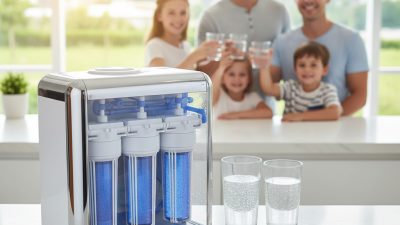
Why Choose a Drinking Water Filter for Clean Safe Water?
Clean, safe drinking water is essential for health. Many people overlook the importance of a Drinking Water Filter. Contaminants can easily infiltrate our water supply. These may include bacteria, heavy metals, and chemicals. A filter helps ensure the water we consume is free from harmful substances.
The use of a Drinking Water Filter can enhance your overall health. Filters provide peace of mind, knowing your family drinks clean water. However, not all filters are equal. It's important to choose one that fits your needs. Research is key to understanding which filtration system works best.
While filters are effective, they require maintenance. Neglecting to change filters can lead to reduced performance. This is a common mistake that can compromise water quality. It's crucial to regularly evaluate your drinking water needs for optimal health.
Understanding the Importance of Clean Drinking Water for Health
Clean drinking water is vital for health and well-being. Contaminated water can cause serious health issues. It may lead to gastrointestinal infections, neurological disorders, and other harmful conditions. Millions suffer from waterborne diseases each year. Access to safe drinking water should be a priority for everyone.
A drinking water filter can significantly improve water quality. It removes contaminants like lead, chlorine, and bacteria. Many people underestimate the impact of these impurities. Even trace amounts can affect long-term health. Simple filtering systems can help ensure cleaner, safer water at home. Making this choice impacts both health and the environment.
However, not all filtration systems are perfect. Some may not eliminate all harmful substances. Maintenance is also crucial for optimal performance. Filters need regular replacement to function correctly. Understanding these factors can empower individuals to make informed decisions about their drinking water. Clean water is not just a luxury; it is a necessity for a healthy life.
Importance of Clean Drinking Water for Health
The following chart illustrates the importance of filtered drinking water by comparing the prevalence of waterborne diseases versus the use of water filters across various regions. The data shows a significant reduction in health issues when utilizing water filtration systems.
The Health Risks Associated with Contaminated Water Sources
Contaminated water sources pose significant health risks. According to the World Health Organization, around 2 billion people lack access to safe drinking water. Contaminants in water can include bacteria, viruses, chemicals, and heavy metals. These substances can lead to serious health issues, from gastrointestinal diseases to long-term neurological problems.
Ingestion of contaminated water is a direct pathway to illness. For instance, a report by the Centers for Disease Control and Prevention indicates that 7.15 million children suffer from diseases caused by drinking unsafe water. Even low-level contamination can affect health. Lead in drinking water can cause developmental delays in children, and the effects are often irreversible.
Many households rely on tap water without considering potential contaminants. A study noted that 61% of Americans are unaware of water quality issues in their area. This gap in knowledge highlights the need for water filtration systems. Filters can significantly reduce harmful substances, making water safer to drink. Investing in a reliable water filter can mitigate these risks and provide peace of mind regarding water safety.
Benefits of Using a Drinking Water Filter in Everyday Life
Using a drinking water filter in everyday life can offer significant benefits for
health and wellness. According to the Environmental Protection Agency (EPA), contaminants
like lead, chlorine, and bacteria can sometimes be found in tap water. Using a filter can reduce these harmful substances
effectively. A study by the National Sanitation Foundation (NSF) reported that
filters can eliminate 99% of lead and 90%
of chlorine from water.
Every sip of purified water not only hydrates but also protects against potential health risks.
Filtered water tastes better too. Improved taste encourages more fluid intake, which is vital for overall health.
Inadequate hydration can lead to fatigue and decreased cognitive function.
You can also enjoy peace of mind knowing that your family consumes safer water.
Tips: Always check the specifications of your filter to ensure it meets your needs.
Regularly change filters to maintain effectiveness. Be mindful that not all filters purify the same way;
research thoroughly to find the right one for you. Investing in a quality filter may seem costly,
but it often pays off in health benefits.
Types of Drinking Water Filters and Their Effectiveness
Drinking water quality is a pressing concern worldwide. According to the World Health Organization, contaminated drinking water leads to about 485,000 diarrhea-related deaths each year. Different types of drinking water filters offer various levels of effectiveness in addressing these issues. Understanding these options is crucial for ensuring clean and safe water.
Activated carbon filters are popular due to their ability to remove chlorine, sediment, and volatile organic compounds (VOCs). A study published by the US Environmental Protection Agency indicates that carbon filters can reduce contaminants by up to 99%. However, they might fall short against certain heavy metals and pathogens.
Reverse osmosis systems, on the other hand, can remove up to 99% of lead, arsenic, and nitrates. While they are effective, these systems may waste significant water during the filtration process, raising concerns about sustainability.
Ultraviolet (UV) systems are effective against bacteria and viruses. They provide a chemical-free method for disinfection but require electricity to operate. Limitations include their inability to remove sediment and other particulate materials. Some studies suggest that multiple filtration methods may yield the best results. An integrated approach can enhance overall water safety, acknowledging that no single method is infallible. Users must carefully evaluate their specific needs based on water source and quality.
Choosing the Right Water Filter for Your Specific Needs
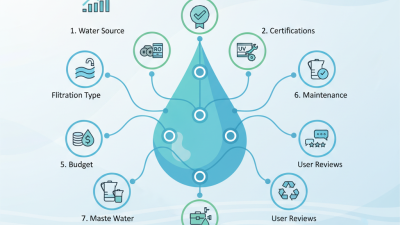
When choosing the right water filter, it’s crucial to assess your specific needs. Not all filters serve the same purpose. Some focus on removing chlorine, while others tackle heavy metals. Knowing your water quality is the first step. Consider testing your water for contaminants. This will help you select the most effective filter.
Tips: Always check for certifications. Filters should meet safety standards and effectively reduce contaminants. Look for independent reviews to gauge performance. Choose a filter that fits your lifestyle and budget.
It’s easy to overlook maintenance, yet it’s vital. A filter’s efficiency drops if not replaced regularly. Some people forget to track replacement schedules. This can lead to poor water quality. Reflecting on this, consider setting reminders. It’s a simple step to ensure safe drinking water for you and your family.
Why Choose a Drinking Water Filter for Clean Safe Water? - Choosing the Right Water Filter for Your Specific Needs
| Filter Type |
Contaminants Removed |
Lifespan (Months) |
Price Range (USD) |
Best For |
| Activated Carbon Filter |
Chlorine, Sediment, Volatile Organic Compounds (VOCs) |
6-12 |
20-60 |
Taste and Odor Improvement |
| Reverse Osmosis Filter |
Lead, Arsenic, Nitrates, Fluoride |
2-3 |
150-500 |
Heavy Metal Removal |
| UV Filter |
Bacteria, Viruses, Protozoa |
12+ |
100-300 |
Microbial Contamination |
| Ion Exchange Filter |
Hardness Minerals (Calcium, Magnesium) |
6-12 |
50-150 |
Softening Hard Water |
| Whole House Filter |
Sediment, Chlorine, Odor |
12-24 |
300-800 |
Comprehensive Home Water Treatment |