| Low-TDS Municipal Water |
TDS commonly below 500 mg/L; generally disinfected and supplied under stable pressure |
Chlorine, chloramine, sediment, and intermittent pressure fluctuations |
Standard brackish-water reverse osmosis membrane with carbon and sediment prefilters |
5–15 bar |
5-micron sediment filter and activated carbon; chloramine-specific carbon may be required |
Choose a membrane compatible with chlorine-free feed water, adequate storage capacity, and automatic leak protection |
| High-TDS Groundwater |
TDS commonly above 1,000 mg/L; hardness, iron, manganese, or silica may be present |
Scaling, membrane fouling, metallic taste, and reduced permeate flow |
High-rejection brackish-water RO system with suitable antiscalant or water-softening strategy |
10–25 bar |
Particle filtration, iron and manganese removal, softening or antiscalant dosing where required |
Check feed-water analysis before selecting membrane area, pump size, recovery rate, and cleaning method |
| Coastal or Seawater Supply |
TDS often approximately 30,000–45,000 mg/L for seawater; salinity varies by location |
Very high osmotic pressure, salt passage, corrosion, and biofouling |
Seawater reverse osmosis system using corrosion-resistant components and high-pressure pumping |
55–70 bar |
Multimedia or cartridge filtration, fine filtration, dechlorination, and effective biological-fouling control |
Evaluate energy consumption, recovery rate, pressure-vessel rating, corrosion resistance, and concentrate disposal |
| Low-Pressure or Intermittent Supply |
Feed pressure may fall below the membrane manufacturer’s recommended operating range |
Low production rate, unstable rejection, air entry, and pump cycling |
Low-pressure RO configuration with a booster pump, pressure switch, and storage tank |
Booster-assisted; commonly 5–15 bar for brackish-water RO |
Sediment and carbon filtration; inlet strainer and pressure regulation |
Confirm electrical compatibility, pump duty cycle, noise level, automatic shut-off, and dry-run protection |
| Cold-Climate or Seasonal Water |
Feed-water temperature may fall below the reference temperature used for rated production |
Lower permeate flow and slower system recovery during cold periods |
RO system sized with temperature-compensated performance data and sufficient membrane area |
Use the membrane supplier’s pressure range; avoid excessive pressure compensation |
Standard sediment and carbon pretreatment; protect equipment from freezing |
Compare production at the lowest expected water temperature, not only at laboratory reference conditions |
| High-Turbidity Surface Water |
Elevated suspended solids, organic matter, and seasonal changes in water quality |
Rapid sediment fouling, frequent filter replacement, and biological growth |
RO system preceded by clarification, multimedia filtration, or ultrafiltration where necessary |
Typically 5–25 bar depending on membrane type and pretreatment |
Coagulation or clarification, multimedia filtration, cartridge filtration, and disinfection control |
Prioritize pretreatment capacity, differential-pressure monitoring, automatic flushing, and easy maintenance access |
| Hard Water with High Scaling Potential |
High calcium, magnesium, alkalinity, or silica; hardness varies significantly by aquifer and season |
Scale formation on the membrane surface and progressive loss of output |
RO membrane selected with a controlled recovery rate and a dedicated scale-management program |
Usually 8–25 bar for brackish-water applications |
Water softener, antiscalant, acid adjustment, or other treatment based on water analysis |
Review scaling calculations, concentrate flow, cleaning compatibility, and availability of replacement components |
| Industrial or Commercial Use |
Higher flow demand, longer operating hours, and stricter requirements for consistent water quality |
Capacity loss, inconsistent permeate quality, downtime, and high operating cost |
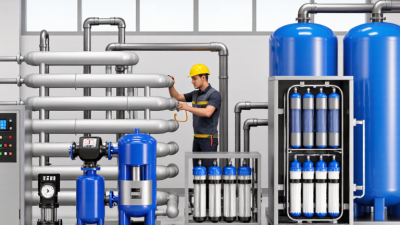
Multi-membrane skid with monitoring instruments, automatic controls, and staged pretreatment |
Application-dependent; commonly 10–25 bar for brackish water |
Feed-water tank, multimedia filtration, cartridge filters, chemical dosing, and clean-in-place capability |
Compare normalized permeate flow, salt rejection, recovery, energy use, service intervals, and total cost of ownership |