

For wholesale buyers, selecting the best China Drinking Water Filter requires more than comparing factory prices. Product reliability, filtration performance, production capacity, and supplier communication all matter. A low quotation may look attractive, yet weak quality control can create costly returns, complaints, and damaged relationships.
Experienced buyers usually examine the complete filtration system. They review filter materials, flow rate, service life, replacement costs, and testing records. They also request samples before placing large orders. A clear sample can reveal leaks, unusual taste, loose fittings, or confusing instructions. Small details matter. Very much.
Reliable manufacturers should provide traceable specifications and relevant quality documentation. Buyers should verify certificates with the issuing organization instead of trusting copied files. Factory audits can reveal assembly conditions, warehouse practices, and packaging quality. Product claims must also match the requirements of the target market. Professional judgment remains essential, because one supplier’s “premium” model may only be average elsewhere.
This guide explores practical ways to compare Chinese Drinking Water Filter suppliers for wholesale purchasing. It considers private labeling, minimum order quantities, customization, logistics, and after-sales support. The best choice is not always the cheapest option. Sometimes, a slightly higher unit cost protects long-term value. Still, no evaluation method is perfect. Market data changes, and factory promises require verification. Careful questioning, independent testing, and realistic expectations help buyers make a safer, more informed decision.
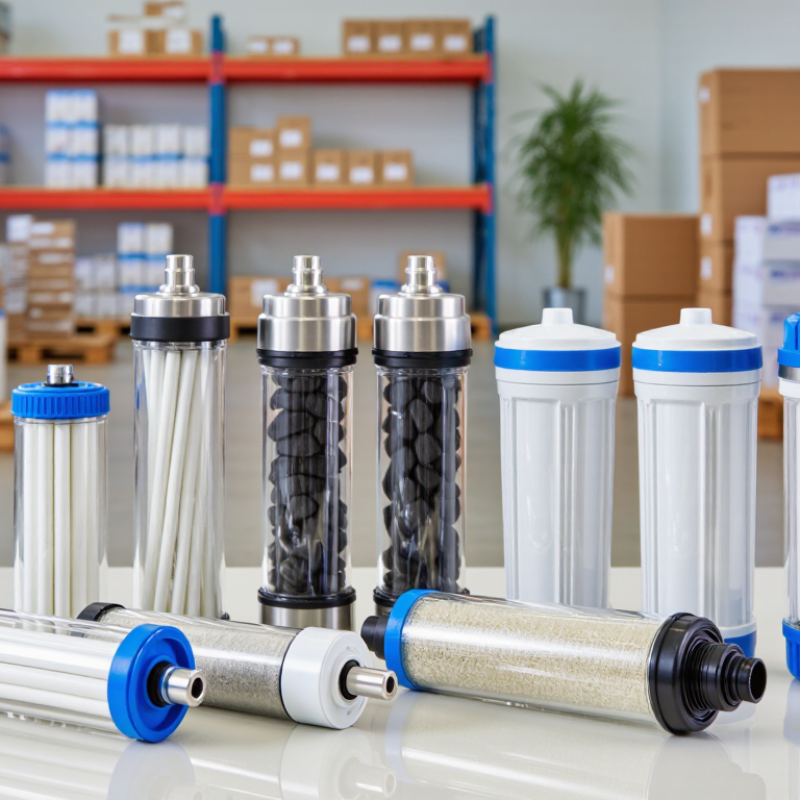
A China-made drinking water filter can offer strong value when quality control is visible. Experienced wholesale buyers inspect the factory, not just the product photos. They ask for material records, production samples, and recent water-quality test reports. A reliable supplier should explain filter media, flow rate, service life, and replacement schedules clearly.
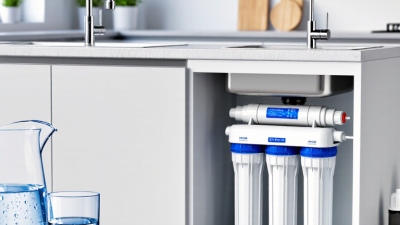
Practical details matter. A compact unit should fit beneath a standard kitchen sink. Connections must resist leaks after repeated installation. Food-contact plastics should have suitable safety documentation for the target market. Clear instructions also reduce mistakes for distributors and installers. Some manufacturers provide custom housings, packaging, and private-label support without changing the core design.
The lowest price is not always the best deal. It may hide inconsistent carbon blocks or weak sealing rings. I have seen attractive samples perform well, while later batches felt less consistent. That possibility deserves attention. Wholesale buyers should compare several production batches and request inspection before shipment. A capable Chinese manufacturer combines scale, engineering experience, testing procedures, and responsive communication. Still, every claim needs evidence. That is where trust begins.
Wholesale buyers should match filtration technology with water quality, budget, and daily demand. A low-sediment urban supply may only need sediment filtration and activated carbon. Sediment filters remove visible particles. Activated carbon reduces chlorine, odors, and some organic compounds. This combination suits apartments, offices, and small retailers.
Ultrafiltration works well where users want improved clarity without removing most minerals. It usually requires less electricity than reverse osmosis. Rural distributors may prefer compact systems with simple maintenance. Reverse osmosis fits regions with high dissolved salts, hard water, or uncertain source quality. It produces cleaner water but creates wastewater and needs stable pressure. That trade-off matters.
Hotels, clinics, and food-service buyers may add ultraviolet treatment after filtration. UV can control microorganisms when the water is already clear. It does not remove chemicals or suspended solids. Wholesale buyers should request independent test reports, flow-rate data, replacement intervals, and material compliance documents. Check performance under local water conditions, not only laboratory claims.
A common mistake is choosing the most advanced system for every market. That can increase costs and make filter replacement difficult. I would also question unclear “removes everything” language. No single technology solves every water problem. Product selection should follow a current water analysis and the buyer’s maintenance capacity. Sometimes, the simpler system performs better in real homes.
Wholesale buyers should assess the manufacturer before comparing prices. The WHO/UNICEF Joint Monitoring Programme reported that 2.2 billion people lacked safely managed drinking water in 2022. This demand makes quality verification essential, not optional. Request factory audit records, production capacity, staff training evidence, and recent batch documents. A clean showroom proves little.
Examine the complete filtration process. Check membrane material, activated carbon source, housing strength, seals, and flow-rate consistency. Ask for independent test reports covering microbiological safety, heavy metals, chemical migration, and service life. Tests should match the intended market and recognized standards, including China’s GB 5749-2022 requirements where applicable. ISO 9001 certification supports process control, but it does not prove filter performance. That distinction is often missed.
Look for traceability. Each cartridge should carry a batch code, production date, and inspection record. Request samples from different production days. Compare them physically and through laboratory testing. A serious manufacturer should explain rejection rates and corrective actions without hesitation. Be cautious with perfect claims. Real factories have defects, but they measure and control them. I would also test filters under hard water, low pressure, and repeated daily use. These conditions reveal weaknesses that brochures hide. Some suppliers may resist this request. That resistance is useful evidence. WHO guidance emphasizes that treatment effectiveness depends on correct use, maintenance, and safe storage, not only laboratory results. So evaluate replacement instructions, packaging, user manuals, and after-sales response with the same care as the filter itself.
Wholesale buyers comparing drinking water filters from China should examine certification scope, not just certificate logos. NSF/ANSI 42 covers aesthetic effects, such as taste and odor. NSF/ANSI 53 addresses specific health-related contaminants. NSF/ANSI 58 applies to reverse osmosis systems. The tested model, cartridge, and production site must match the supplied product. A factory certificate alone may not prove product compliance. Check the certificate number, expiry date, testing laboratory, and claimed contaminant reduction.
Specifications should reflect the water source. Ask for pore size, flow rate, pressure range, filter life, membrane recovery, and replacement intervals. A 10-inch cartridge rated at 2,000 liters may perform differently with cloudy water. WHO and UNICEF’s 2023 Joint Monitoring Programme reported that 2.2 billion people lacked safely managed drinking water in 2022. That figure shows why source-water testing matters before selecting media or membranes. A specification sheet without test conditions is incomplete.
Compare costs using landed cost, not factory price. Include certification testing, packaging, spare cartridges, freight, import duties, and inspection. Request contaminant-reduction reports from independent laboratories, preferably using recognized methods. Also compare warranty terms and batch traceability. A cheaper filter can create higher service costs. Sometimes the most expensive quote is poorly documented, too. Buyers should challenge both assumptions. Small details, such as replacement availability and leakage testing, can decide whether a wholesale order succeeds.
China Best Drinking Water Filter for Wholesale Buyers?
A strong filter is not automatically the best wholesale choice. The UNICEF and WHO Joint Monitoring Programme reported that 2.2 billion people lacked safely managed drinking water in 2022. This demand creates opportunity, but also pressure to verify every claim. Request production samples, not showroom units. Test flow rate, leakage, taste, cartridge fit, and packaging damage. Keep one sealed sample for future comparison. A spreadsheet helps. It can still miss small defects.
For imports, ask for a complete specification sheet, materials list, test reports, and packing details. Accredited laboratory reports under ISO/IEC 17025 offer stronger evidence than supplier-created documents. Check relevant standards, such as NSF/ANSI 42, 53, or 58, according to the filter’s function. These standards do not replace destination-market requirements. Confirm customs documents, labeling, voltage, connector sizes, and replacement-cartridge availability before payment. I would avoid large orders after one successful test. That decision often saves money later.
After-sales service should be measurable. Set response targets, spare-parts quantities, warranty conditions, and escalation contacts in writing. A practical arrangement may require replies within 24 hours and fault diagnosis within 72 hours. Ask for installation videos, troubleshooting guides, and serial-number records. Replacement parts should be packed with clear batch identification. The World Health Organization emphasizes risk management across water-safety systems, not only final testing. One weakness remains: buyers sometimes inspect the filter, but ignore local water quality. That oversight can produce disappointing results, even with a well-made product.
A practical comparison of key purchasing and service indicators for managing samples, imports, and after-sales support.
The chart uses representative wholesale procurement benchmarks: sample preparation, production, sea freight, customs clearance, and after-sales response. Actual timelines and service levels vary by product specification, order volume, destination country, and shipping method.