Top Purified Water Systems for Global Buyers Today?
In today's world, access to clean water is essential for health and well-being. A reliable "Purified Water System" can make a significant difference. As global awareness of water quality rises, buyers are more discerning. They seek systems that offer efficiency and safety.
When evaluating purified water systems, several factors come into play. The filtration process is crucial. Different technologies serve different needs. Knowledge of these systems can feel overwhelming. Many buyers may struggle to distinguish between options, leading to decision fatigue. It's important to dig deep into how these systems work.
Trustworthiness is vital. Buyers should consider brand reputation and customer reviews. Genuine experiences can provide insights that technical specifications do not. Ultimately, finding the right "Purified Water System" can improve daily living. To secure quality water, informed choices are necessary.
Top Considerations for Choosing a Purified Water System
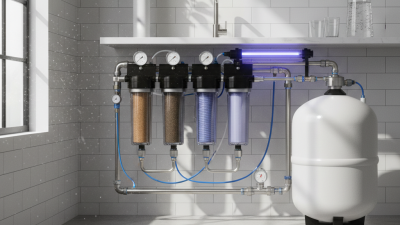
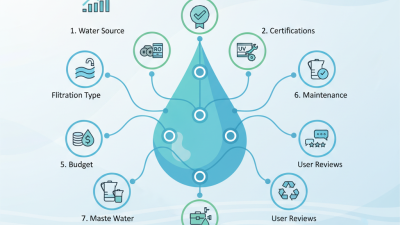
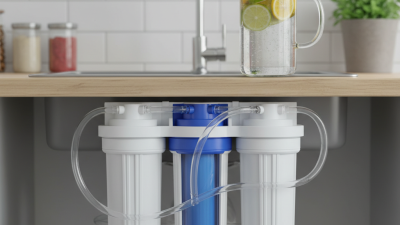
When choosing a purified water system, several critical factors come into play. The first consideration is the purification method. Various technologies exist, such as reverse osmosis and UV filtration. Each method has its strengths and weaknesses. Be aware that some systems may not adequately remove all contaminants.
Another vital aspect is the system's capacity. Consider your daily water usage. A system that cannot keep up with demand will lead to frustration. Also, think about the maintenance requirements. Some systems need regular filter changes, while others require less upkeep.
Tips: For first-time buyers, it’s wise to consult professionals. They can help pinpoint your needs. Don't rush into a decision. Take your time to research different options. Consider user reviews and expert opinions to gauge reliability.
Look closely at the cost of ownership. Initial prices may be appealing, but ongoing costs matter too. Factor in energy consumption and replacement parts. Balancing quality and affordability is crucial. Understanding your specific needs will guide you in making a thoughtful choice.
Types of Purified Water Systems Available in the Market
Purified water systems come in various types, catering to diverse consumer needs. Between reverse osmosis, distillation, and UV filtration, each method offers unique benefits. For instance, reverse osmosis removes up to 99% of contaminants. A recent industry report indicated that around 30% of households are now opting for reverse osmosis systems due to their efficiency.
Another popular system is the distillation process. It involves boiling water to separate impurities, resulting in high purity levels. Industry studies show that distillation can effectively eliminate heavy metals and bacteria. However, it may consume more energy, raising concerns about its sustainability.
UV filtration systems also gain traction, leveraging UV light to kill microorganisms. While effective, they do not remove chemical contaminants. Understanding the strengths and weaknesses of these systems is essential for informed decisions. Consumers must weigh factors like cost, maintenance, and energy usage when selecting a system. With increasing awareness about water purity, the demand continues to grow, making this area a focal point in global discussions.
Key Features to Look for in a Purified Water System
When choosing a purified water system, understanding key features is crucial. Many systems use reverse osmosis, which removes contaminants effectively. The Water Quality Association reports that such systems can eliminate over 95% of total dissolved solids. This makes them suitable for ensuring the safety of drinking water.
Filtration speed and capacity are significant too. Some systems can produce 75 gallons of purified water a day. This feature is essential for larger households or offices. A reliable system should also have a multi-stage filtration process for enhanced purification. Reports indicate that two or more filters can significantly increase the removal of chlorine, lead, and other impurities.
Additionally, ease of maintenance impacts long-term satisfaction. A system requiring frequent filter replacements can become a nuisance and costly. Regular inspections are necessary to ensure optimal performance. Many users overlook this aspect initially, leading to water quality degradation. Thus, potential buyers should weigh these factors carefully when making a choice.
Top Purified Water Systems for Global Buyers Today
Leading Brands & Products in Purified Water Technology
When it comes to choosing purified water systems, buyers often face a daunting array of options. Leading brands offer technologically advanced solutions to meet various needs. The focus is typically on reverse osmosis systems, carbon filters, and ultraviolet purifiers. Each of these technologies plays a vital role in delivering clean water. However, buyers must weigh performance against cost and usability.
The filtration process is crucial. For instance, reverse osmosis systems remove a high percentage of contaminants. Yet, occasional maintenance can be a hassle. Carbon filters, meanwhile, are simpler to install and maintain, but might not eliminate all impurities. Ultraviolet purifiers combat bacteria, yet they don’t remove chemical contaminants. Finding the ideal balance sometimes feels overwhelming.
Many buyers overlook the importance of water taste. The method of purification can drastically alter flavor. Some systems may leave a mineral taste or even a metallic aftertaste. It's essential to conduct tests and consider personal preferences. It’s rare for one solution to fit all needs perfectly. Therefore, buyers are encouraged to research thoroughly and reflect on their specific requirements.
Top Purified Water Systems for Global Buyers Today
| Product Type |
Filtration Technology |
Capacity (Liters/Day) |
Price Range (USD) |
Features |
| Reverse Osmosis System |
RO Membrane |
100 |
300 - 600 |
Removes up to 99% contaminants |
| UV Purification System |
UV Light |
200 |
200 - 400 |
Effective against bacteria and viruses |
| Carbon Block Filter |
Activated Carbon |
150 |
150 - 250 |
Improves taste and odor |
| Under-Sink System |
Multi-Stage Filtration |
300 |
400 - 800 |
Space-saving design |
| Countertop Filter |
Gravity Fed |
50 |
100 - 200 |
Portable and easy to use |
Global Trends in Purified Water System Adoption and Usage
The adoption of purified water systems continues to surge globally. A recent report indicates that the market for bottled water is expected to reach $307.6 billion by 2025. This trend reflects a significant shift towards health-conscious consumer behaviors. People prioritize access to clean water, especially in regions where water quality is questionable.
In 2022, nearly 30% of households in the U.S. installed water filtration systems. This figure highlights a growing awareness about contaminants in municipal water supplies. Surprisingly, many consumers remain unaware of specific pollutants that can affect their health. Professionals emphasize the importance of testing local water sources, as not all filtration systems address the same chemicals.
Despite these positive trends, challenges persist. Some water systems are not well-maintained, leading to concerns about efficiency and safety. Users often overlook the need for regular filter replacements, which reduces system effectiveness. Keeping consumers informed about their water quality is crucial. Increased education can empower individuals to make better choices regarding their drinking water.