Top 10 Complete Ro Machine Options for Healthy Drinking Water?
When it comes to drinking water, quality matters. The Complete RO Machine is an essential tool for ensuring safe and clean hydration. With increasing concerns about contaminants in tap water, many families are exploring their options for water purification. This guide highlights the top 10 Complete RO Machine options available today.
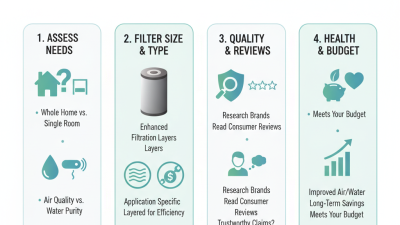
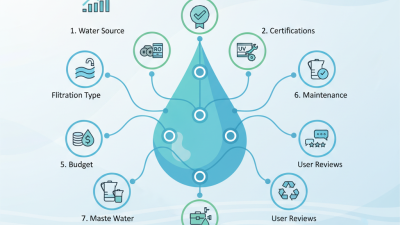
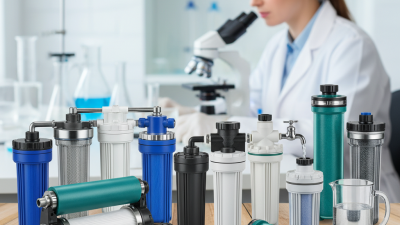
Choosing the right machine can be overwhelming. Each model offers different features and filtration processes. Some may lack the efficiency needed for optimal purification. There can be confusion about the best choice based on personal needs and budget. A reliable Complete RO Machine should balance performance and cost, making it both effective and practical.
We aim to equip you with the knowledge to make an informed decision. Understanding the nuances of each machine will help you select one that fits your lifestyle. We’ll delve into specific brands and their unique advantages. Let’s explore the top options together, ensuring you find a solution for healthy drinking water.
Overview of Reverse Osmosis Technology and Its Benefits
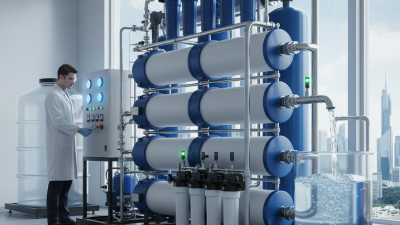
Reverse osmosis (RO) technology is a powerful method for purifying drinking water. It utilizes a semi-permeable membrane to remove contaminants. This process effectively filters out impurities, including bacteria, viruses, and heavy metals. The result is clean, safe drinking water that promotes better health.
One of the key benefits of RO technology is its ability to enhance taste. Many users notice a fresher, cleaner flavor in their water. This can lead to increased hydration. Additionally, removing harmful substances contributes to a healthier lifestyle. However, some may find that essential minerals are also filtered out. This can lead to concerns about mineral balance in water. It’s essential to consider these factors when choosing a water purification system.
While RO systems are effective, they do require maintenance. Regular filter changes are necessary for optimal performance. Some users may feel overwhelmed by this upkeep. Additionally, the process can waste some water, which raises efficiency questions. Understanding these aspects can help users make informed choices about their drinking water.
Key Features to Look for in a Reverse Osmosis System
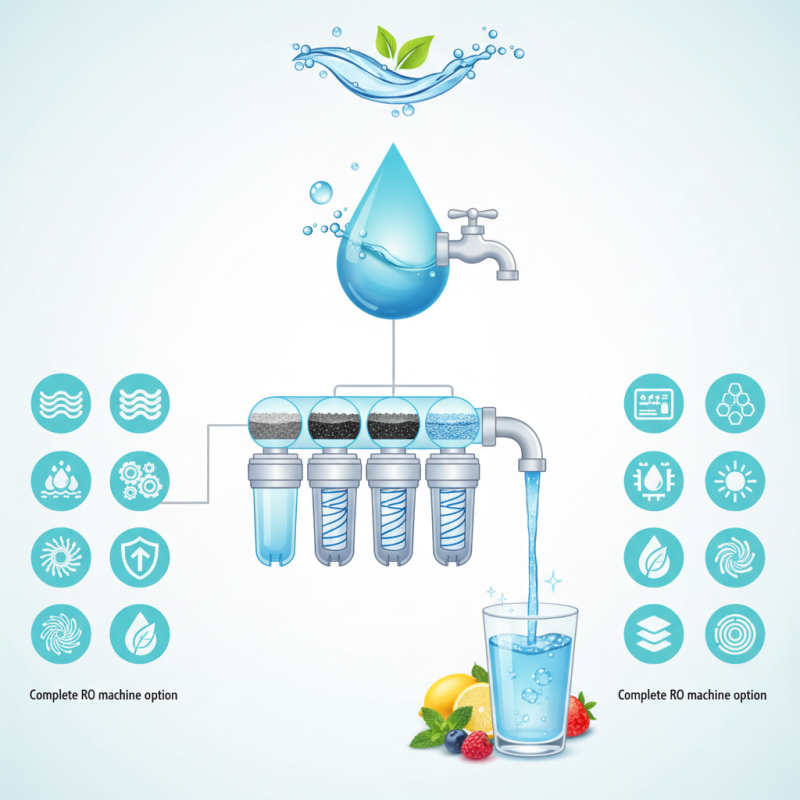
When considering a reverse osmosis (RO) system for drinking water, focusing on key features is crucial. One essential aspect is filtration capacity. A robust system typically features multiple stages of filtration. This includes sediment filters, carbon filters, and the RO membrane. Each stage plays a unique role in removing impurities. Look for systems that efficiently eliminate contaminants.
Another important feature is tank size. Depending on your household’s water needs, you might require a larger storage tank. A system with a larger tank ensures a steady water supply. Consider the recovery rate as well. This refers to how much water is filtered compared to how much is wasted. Systems with higher recovery rates are more efficient.
Lastly, ease of maintenance cannot be overlooked. Look for models with easy filter replacement options. Regular maintenance affects the system's performance. Many advanced units also come with indicator lights. These alert you when a filter change is needed. Weighing these features against your needs can enhance your drinking water quality significantly.
Top 10 Recommended Reverse Osmosis Machines for Health
In recent years, improving water quality has become a priority. Reverse Osmosis (RO) machines are a popular choice for purifying drinking water. These systems can remove up to 99% of harmful contaminants, making the water safer. According to a 2020 report from the World Health Organization, clean drinking water is crucial for public health.
When selecting an RO machine, consider essential features. A multi-stage filtration process can target various impurities. Look for systems that include pre-filters, carbon filters, and a UV light for ultimate protection. Efficiency in water waste is another factor; some machines use only one gallon of water for every gallon purified.
Tips: Regular maintenance is essential. Changing filters regularly supports optimal performance. Monitor water quality to determine when it's time for replacements. Additionally, keep an eye on your system's output level—it can reflect its overall health. Ensuring proper installation can also prevent leaks and ensure longevity. Thinking ahead saves trouble later.
Top 10 Recommended Reverse Osmosis Machines for Health
| Model |
Stages |
Filter Life (Months) |
Water Production (GPD) |
Certifications |
Special Features |
| Model A |
5 |
12 |
75 |
NSF, WQA |
UV Sterilization |
| Model B |
6 |
10 |
100 |
NSF |
Smart Mineralization |
| Model C |
7 |
9 |
50 |
FDA |
Advanced Filtration |
| Model D |
5 |
12 |
80 |
NSF, CE |
Leak-Proof Design |
| Model E |
6 |
11 |
90 |
WQA |
User-Friendly Interface |
| Model F |
5 |
10 |
70 |
NSF |
Energy Efficient |
| Model G |
7 |
15 |
100 |
FDA |
Compact Design |
| Model H |
5 |
9 |
60 |
NSF |
Anti-Scale Feature |
| Model I |
6 |
14 |
85 |
CE |
Quick Change Filters |
| Model J |
5 |
12 |
70 |
NSF, WQA |
Smart Technology |
Comparison of Performance and Filtration Effectiveness
When it comes to reverse osmosis (RO) machines, performance and filtration effectiveness are key considerations. A good RO system should effectively remove contaminants like lead, chlorine, and fluoride. Many models claim to provide exceptional purification, but how can users determine which system truly delivers? Evaluating performance metrics is essential. Look for systems with multiple filtration stages for comprehensive contamination removal.
It's crucial to pay attention to the filter lifespan as well. Some systems require more frequent filter changes, which can increase maintenance costs. A balance between cost efficiency and filtration quality is vital. In addition, the water output rate affects usability. Systems that produce water slowly may struggle to keep up with daily needs.
Another aspect to reflect on is the mineral reintroduction process. While some RO machines eliminate harmful substances effectively, they may also remove beneficial minerals. This could impact long-term health. Understanding the importance of post-filtration mineralization can lead to a more informed choice. Empirical data from user experiences can provide insights into reliability and performance consistency for the models under consideration.
Maintenance Tips for Long-lasting RO Water Systems
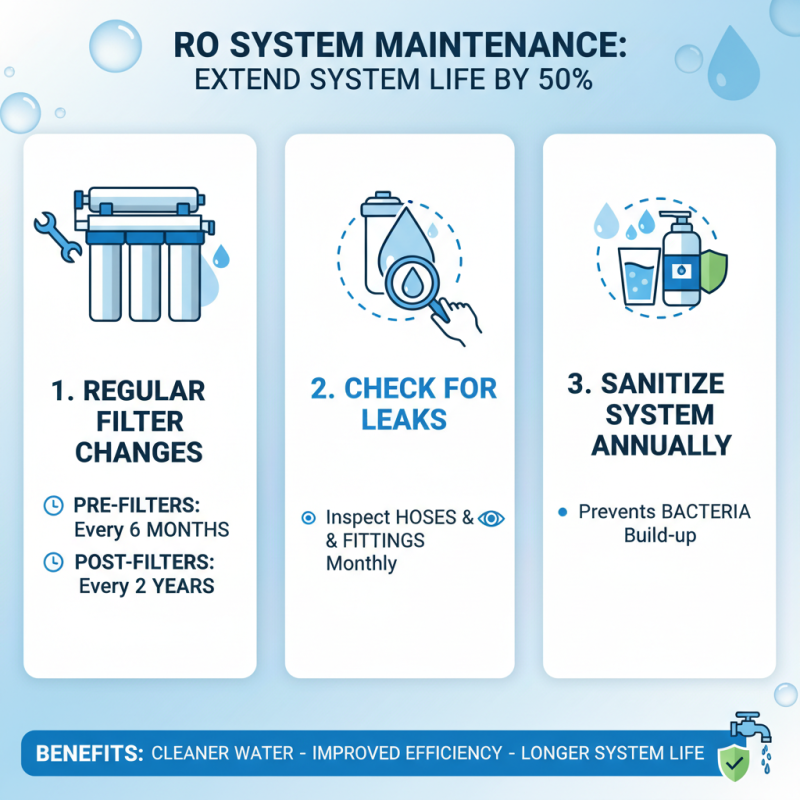
Maintaining your reverse osmosis (RO) water system is crucial for ensuring clean, healthy drinking water. Reports suggest that routine maintenance can enhance system efficiency by up to 50%. Regular filter changes are one of the most critical steps. Typically, pre-filters should be replaced every six months, while post-filters last about two years. Not changing filters on time could lead to decreased water quality and increased pressure on the system.
Monitoring water pressure is essential. High pressure can indicate a clogged filter or membrane. Keeping an eye on these factors can prevent costly repairs. Use a pressure gauge to check the system. If the pressure exceeds 60 PSI, adjustments may be necessary. Additionally, inspect the system for leaks regularly. A leak can indicate wear and may compromise water quality.
Tip: Maintain clean storage tanks to prevent bacteria growth. It’s recommended to sanitize the tank annually. When troubleshooting issues, document your observations. This can help identify recurring problems. Pay attention to water taste and output. If there are noticeable changes, consider a thorough system check. Regular care not only ensures water quality but also prolongs the lifespan of your RO system.