Top 10 Complete Ro Machine Options for Global Buyers?
When exploring the market for water purification, the "Complete RO Machine" stands out as a vital investment. This technology offers efficient water filtration, ensuring clean drinking water for households and businesses alike. As global demand grows, buyers face an overwhelming number of choices, each promising superior quality and performance.
Selecting the best option requires careful consideration. Many buyers may overlook the importance of specific features, such as filtration capacity and energy efficiency. With this guide, prospective purchasers will find a curated list of the top 10 complete RO machines available worldwide. Each entry features essential details, helping buyers make informed decisions.
It's crucial to remember that what works for one might not suit another. Individual needs vary, and the effectiveness of a complete RO machine can depend on water source and usage patterns. By understanding these nuances, buyers can select a machine that truly meets their expectations.
Overview of Reverse Osmosis Technology and Its Applications
Reverse osmosis (RO) technology has transformed water purification across various sectors. This method effectively removes impurities and contaminants from water. It uses a semi-permeable membrane, allowing only water molecules to pass through while blocking larger particles. According to the International Water Association, this technology has been adopted worldwide to meet growing water demands.
In residential settings, RO systems help provide clean drinking water. The global reverse osmosis membrane market was valued at approximately $1.2 billion in 2020 and is expected to expand due to increased water scarcity. Industries, such as food and beverage, also benefit from this technology by ensuring product safety and quality. Notably, RO systems are essential in desalination processes, offering fresh water in arid regions.
Tip: Regular maintenance of RO systems enhances efficiency and prolongs lifespan. Changing filters and sanitizing systems is crucial. Another important point is to monitor water quality regularly. Despite their benefits, some downsides exist. The process can waste a portion of water, and the initial cost can be substantial. Understanding these aspects is vital for informed decisions.
Criteria for Selecting the Best RO Machines for Home and Industry
When selecting the best reverse osmosis (RO) machines for home and industrial use, several criteria must be considered. The first is the filtration capacity. Look for machines that can meet your daily water needs without frequent replacement. A higher flow rate ensures an ample supply, particularly in industrial settings. Efficiency is another key factor. Machines should minimize water wastage, as excessive waste can lead to higher costs and resource depletion.
Durability is crucial too. Choose RO machines made from high-quality materials that can withstand regular use. Maintenance becomes easier with units that offer replaceable filters, avoiding expensive repairs. Pay attention to the size as well. Compact models may work better for homes, while larger systems suit commercial spaces.
Finally, consider customer support and warranty options. Reliable manufacturers often provide extensive support and clear guidelines for installation and use. Having access to knowledgeable assistance can save time and prevent issues. Keep in mind that personal experiences with different machines can vary widely, so gathering feedback from various sources can help you make informed choices.
Top 10 Complete RO Machine Options for Different Budgets
Investing in a reverse osmosis (RO) machine can vary significantly based on budget and needs. According to industry reports, the global market for water purification is projected to reach $70 billion by 2027. This growth reflects an increasing demand for affordable, efficient systems. For those on a tighter budget, tabletop RO machines offer practicality and low cost without sacrificing quality. They can filter up to 50 gallons per day, making them ideal for personal use.
Mid-range options usually cater to families. These systems typically range from $200 to $600. They often feature multiple filtration stages and higher capacity, around 75 to 100 gallons per day. Advanced models may also include filter change alerts and energy-efficient designs. However, consider maintenance costs, as high-quality filters may need replacement regularly.
High-end systems excel in performance and durability. Priced above $600, they are suitable for both residential and commercial use. Such machines often provide advanced filtration, ensuring contaminants are reduced to almost zero. Interestingly, a report by the Water Quality Association suggests that superior systems can last over a decade with proper care.
Tips: Regularly check filter status. Doing this can prolong machine life. It’s crucial to understand local water conditions; this will affect your choice. Make sure that the selected RO system fits your space and demands. Always consult detailed product specifications to avoid purchasing mistakes.
Top 10 Complete RO Machine Options for Global Buyers
| Machine Type |
Production Capacity (L/day) |
Purification Technology |
Price Range (USD) |
Target Market |
| Domestic RO System |
50 |
Reverse Osmosis |
100 - 300 |
Home Use |
| Compact RO System |
100 |
Reverse Osmosis |
250 - 400 |
Small Offices |
| Commercial RO System |
500 |
Reverse Osmosis |
1,000 - 2,500 |
Restaurants and Cafes |
| Industrial RO Plant |
2,000 |
Reverse Osmosis |
10,000 - 50,000 |
Manufacturing Facilities |
| Mobile RO Unit |
300 |
Reverse Osmosis |
2,000 - 8,000 |
Emergency Services |
| Standalone Water Station |
1,000 |
Reverse Osmosis |
5,000 - 15,000 |
Public Use |
| Water Purification System |
150 |
Reverse Osmosis |
200 - 600 |
Homes and Small Businesses |
| Packaged Water System |
1,500 |
Reverse Osmosis |
8,000 - 20,000 |
Bottled Water Industry |
| High Flow RO System |
10,000 |
Reverse Osmosis |
40,000 - 100,000 |
Large Industries |
| Desalination RO Plant |
20,000 |
Reverse Osmosis |
500,000+ |
Coastal Regions |
Comparative Analysis of Features and Performance in Top RO Models
When exploring reverse osmosis (RO) machines, it’s essential to compare features and performance. Recent data from the Water Quality Association indicates that RO systems can remove up to 95% of total dissolved solids. The efficiency of different models varies significantly. Some systems boast higher flow rates and greater contaminant rejection percentages, making them more suitable for specific needs.
Performance metrics such as recovery rates are crucial. The average recovery rate for most residential RO systems is around 20-30%. Some high-end models may reach up to 50%. However, higher performance often comes at a cost, both financially and in terms of energy consumption. User experiences suggest that regular maintenance can be a hurdle. Filters need timely replacements, which can affect optimal performance.
Adjusting to these factors requires careful consideration. Not all models deliver consistent results under varying water conditions. Additional features like remineralization or integrated UV filters enhance safety but might complicate initial setup. Striking a balance between efficiency and user-friendliness remains a challenge for many buyers in the market.
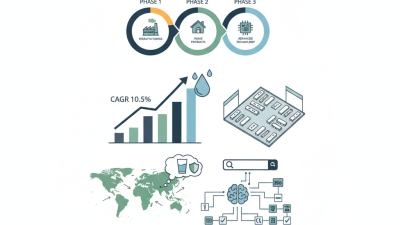
Top 10 Complete RO Machine Performance Analysis
User Reviews and Recommendations for Each RO Machine Option
When selecting reverse osmosis (RO) machines, user reviews are crucial for making informed decisions. Industry research shows that a significant percentage of buyers rely on peer insights. A 2022 survey indicated that 70% of consumers rated user experience as highly influential in their purchase decisions. Users often share specific details, such as filtration efficiency, ease of installation, and maintenance requirements.
For instance, one common critique highlights the noise levels during operation. While many machines boast high purification rates, users recommend checking sound ratings if quiet operation is essential. Another frequent piece of feedback revolves around filter replacement. Many users wish for clearer guidance on frequency and types of filters needed. A 2023 report emphasized that 60% of buyers underestimated maintenance costs, leading to dissatisfaction.
The variety of models available can be overwhelming. Some consumers report feeling confused by the number of options. Specific features like tank size or flow rate can be deal-breakers for smaller households. User reviews bring these aspects to the forefront, enabling potential buyers to reflect on their unique needs before making a commitment. This transparency is essential for navigating the competitive landscape of RO machines.