

Leave Your Message

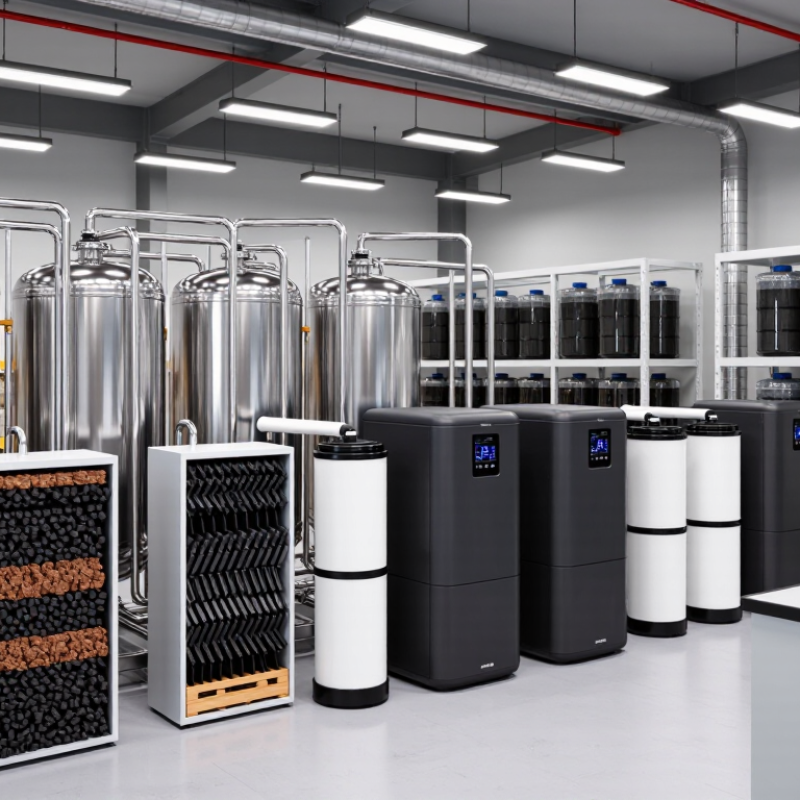
Top Activated Carbon Filter Manufacturers in China

China has become a major sourcing base for water treatment and air purification equipment. Among its many suppliers, Activated Carbon Filter manufacturers serve residential, commercial, and industrial applications. Their products may use coconut-shell, coal-based, or wood-based carbon, depending on the target contaminant and operating conditions.

This guide introduces leading manufacturers and explains how their capabilities differ. It considers carbon quality, adsorption performance, flow rate, pressure drop, housing materials, and replacement design. Practical details matter. A filter may look robust, yet perform poorly when the carbon bed is undersized. I have learned that specifications deserve closer attention than attractive catalog photographs.

Reliable manufacturers should provide clear technical data, batch traceability, and meaningful quality documentation. Independent test reports can support claims about chlorine reduction, odor control, or volatile organic compound adsorption. Certifications may also help, but buyers should verify their scope, validity, and applicable product model. A certificate alone is not proof of consistent factory performance.

Factory experience matters. So does communication. Suppliers that answer questions precisely often manage customization and after-sales support more effectively. Buyers should ask about sampling, production lead times, inspection procedures, and media replacement schedules. Small details reveal operational maturity.

Not every well-known supplier will suit every project. Some excel at standard cartridge filters, while others focus on large stainless-steel vessels or engineered systems. Comparing them requires patience. This overview offers a practical starting point, while acknowledging one limitation: public information may not fully reflect current production conditions. Independent verification remains essential before making a purchase.
Top Activated Carbon Filter Manufacturers in China

Activated Carbon Filter Manufacturing in China: An Industry Overview

Activated Carbon Filter Manufacturing in China: An Industry Overview

China’s activated carbon filter industry serves water treatment, air purification, food processing, and industrial ventilation. Manufacturing usually combines carbon preparation, filter forming, sealing, and performance testing. Common materials include coconut-shell, wood-based, and coal-based activated carbon. Each material offers different pore structures and adsorption behavior.

Experienced manufacturers begin with a defined application, not a standard cartridge. They review flow rate, contaminant type, contact time, humidity, and operating temperature. Production teams then select carbon grade and filter construction. Typical products include carbon blocks, granular carbon cartridges, pleated filters, and honeycomb panels. Quality checks may cover iodine value, pressure drop, leakage, dimensions, and adsorption performance. Reliable facilities also keep batch records and traceable inspection reports.

Practical results can differ from laboratory figures. Installation conditions matter. A filter may perform well in testing but fail early under heavy sediment loading.

This is why pre-filtration, correct sizing, and scheduled replacement deserve attention. No factory is perfect. Some processes still depend on manual packing or inconsistent sealing, especially during busy production periods. Buyers should request samples, production evidence, and application-specific test data before placing large orders. Clear communication often prevents avoidable mistakes.

Key Types of Activated Carbon Filters and Their Applications

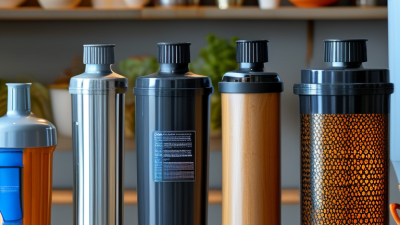
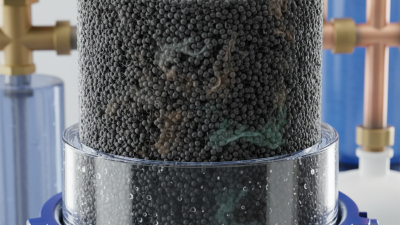
Activated carbon filters are designed for specific contaminants, not every water or air problem. Chinese manufacturers commonly produce granular activated carbon, carbon block, and impregnated carbon filters. Granular carbon offers high contact capacity and suits household water units, pre-treatment lines, and odor control. Carbon block filters use compressed particles for finer filtration and more stable flow. They often serve drinking water dispensers and compact purification systems. Impregnated carbon adds targeted chemicals for gases such as hydrogen sulfide or certain volatile compounds. Powdered carbon is also used, but usually inside treatment vessels rather than as a standalone cartridge.

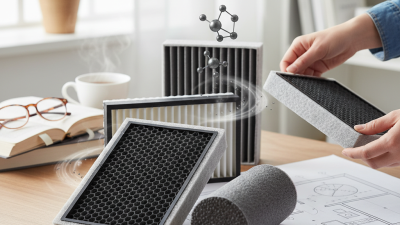
Air filtration uses carbon panels, pleated media, or honeycomb structures. These designs help reduce cooking odors, tobacco smells, solvents, and selected industrial vapors. In water treatment, activated carbon can lower chlorine, unpleasant taste, and many organic compounds. It cannot reliably remove every dissolved salt, microbe, or heavy metal. No carbon filter does everything. That warning is easy to overlook.

Practical selection depends on carbon quality, bed depth, flow rate, humidity, and replacement timing. A thin cartridge may perform well in a kitchen but fail quickly near strong odors. Testing the incoming water or air is more reliable than choosing by appearance. Some suppliers provide adsorption data and pressure-drop measurements; buyers should request both. Filter performance also changes during use. A cartridge can look clean while its adsorption capacity is already exhausted. Regular monitoring remains necessary.

Leading Chinese Activated Carbon Filter Manufacturers

China has become a major production base for activated carbon filter systems, serving municipal, commercial, and industrial water projects. Leading Chinese activated carbon filter manufacturers typically combine moulding, carbon filling, sealing, and performance testing within controlled facilities. This integrated process can improve consistency between production batches.

Experienced manufacturers usually offer granular activated carbon, carbon block, and specialty media options. Each material suits different conditions. Carbon block filters may support fine particle reduction, while granular media can provide higher flow in larger housings. Reliable suppliers should explain iodine value, mesh size, pressure drop, contact time, and rated capacity clearly.

Ask for test reports, production samples, and traceable batch records. Good documentation matters. Factory audits can also reveal practical details, such as clean assembly areas, calibrated testing equipment, and proper packaging against moisture. Some leading suppliers support custom dimensions, threaded connections, private labels, and pilot testing for overseas buyers. However, technical claims still need verification under real operating conditions. A strong laboratory result may not reflect water with heavy sediment or changing chlorine levels. That is where many purchasing decisions become less certain. Manufacturers willing to discuss limitations often appear more dependable than those promising universal performance. Select suppliers with stable quality controls, responsive engineers, and evidence from comparable applications.

Top Activated Carbon Filter Manufacturers in China - Leading Chinese Activated Carbon Filter Manufacturers
Manufacturer Evaluation Dimension Common Product Category Activated Carbon Media Typical Housing Materials Common Filtration Configuration Typical Applications Relevant Technical References Key Purchasing Checkpoint
Residential Point-of-Use Capability Carbon block cartridges and inline filters Coconut-shell or coal-based activated carbon Polypropylene, polyethylene, or stainless steel Activated carbon adsorption combined with particulate filtration Drinking-water dispensers, under-sink systems, and refrigerator water lines NSF/ANSI 42 is commonly used for aesthetic water-quality claims, such as chlorine and taste-and-odor reduction Confirm the tested reduction claims, service life, flow rate, and replacement dimensions
Granular Activated Carbon Filter Capability GAC cartridges and refillable filter vessels Loose granular activated carbon Polypropylene, carbon steel, fiberglass-reinforced plastic, or stainless steel Water passes through a packed granular carbon bed Chlorine reduction, taste and odor control, and selected organic contaminant adsorption Performance depends on empty-bed contact time, carbon quality, flow rate, and influent water chemistry Request carbon origin, iodine number or equivalent quality data, bed depth, and recommended contact time
Carbon Block Manufacturing Capability Extruded or molded carbon block cartridges Powdered activated carbon combined with a polymeric binder Polypropylene end caps, nonwoven outer layers, and plastic or metal cores Adsorption with mechanical depth filtration through the carbon block Point-of-use drinking-water filtration and compact commercial systems Nominal or absolute micron ratings must be defined by the manufacturer’s test method Compare pressure drop, rated capacity, micron performance, and structural integrity under operating pressure
Industrial Vessel Capability Single-vessel or multi-vessel activated carbon systems Granular activated carbon selected for water or air treatment FRP, epoxy-coated carbon steel, or stainless steel Fixed-bed adsorption with inlet distribution and backwash or drain arrangements Process water, wastewater polishing, dechlorination, and pretreatment for membrane systems Design requires hydraulic loading, contact time, carbon bed depth, backwash rate, and pressure-loss calculations Check vessel design pressure, internal distributors, access opening, drain system, and carbon replacement procedure
Air and Gas Filtration Capability Panel filters, canisters, and deep-bed carbon filters Granular, pelletized, or impregnated activated carbon Galvanized steel, stainless steel, aluminum, or molded plastic Adsorption bed with a separate particulate prefilter when required Odor control, volatile organic compound reduction, and industrial air treatment Performance varies by target contaminant, humidity, concentration, residence time, and carbon impregnation Require contaminant-specific breakthrough data rather than relying only on a general carbon specification
Food and Beverage Water Treatment Sanitary carbon cartridges and stainless-steel carbon vessels Food-contact suitable activated carbon, subject to the applicable market requirements 304 or 316 stainless steel, polypropylene, or approved food-contact plastics Carbon adsorption with sanitary fittings and cleanable or replaceable components Beverage production, ingredient water, brewing, and food-processing utilities Food-contact compliance, hygienic design, cleanability, and traceability should be verified for the destination market Check material declarations, weld quality, surface finish, sanitation method, and batch traceability
Membrane Pretreatment Capability Carbon filters installed upstream of RO or other membrane systems Granular or block activated carbon FRP, stainless steel, polypropylene, or composite cartridge housings Activated carbon for chlorine reduction followed by fine particulate filtration Reverse osmosis pretreatment and protection of chlorine-sensitive membrane materials Actual chlorine-removal capacity depends on carbon type, flow, contact time, pH, temperature, and water quality Size the filter using the membrane supplier’s chlorine limit and the carbon supplier’s verified capacity data
Customization and OEM Capability Private-label cartridges, custom housings, and assembled filtration skids Carbon selection based on contaminant, flow rate, and operating conditions Plastic, stainless steel, coated steel, or application-specific materials Customized connection types, dimensions, media volume, and filtration stages Water treatment equipment, dispensers, commercial filtration, and export projects Technical drawings, inspection plans, sampling procedures, and batch documentation support repeatable production Evaluate tooling ownership, sample approval, change-control procedures, minimum order quantity, and quality records
Quality-Control Capability Incoming-material inspection, in-process testing, and finished-product testing Verification of carbon particle size, moisture, ash, adsorption indicators, and contamination controls Dimensional and material checks for housings, seals, end caps, and fittings Leak testing, pressure testing, flow testing, and visual inspection where applicable All activated carbon filter product categories ISO 9001 describes quality-management-system requirements; product claims still require product-specific evidence Ask for inspection standards, test reports, calibration records, batch identification, and corrective-action procedures
Export and Compliance Readiness Documentation-supported filters for international markets Media and product configuration documented by model or batch Materials selected according to pressure, temperature, and destination-market requirements Product labels, technical datasheets, installation instructions, and replacement guidance International distribution, project supply, and equipment integration Applicable requirements depend on the destination country, intended use, water-contact status, and product claims Verify certificates directly, confirm their scope and validity, and match certificate details with the supplied model
Note: Company names and brand-level data are intentionally omitted. Technical values for activated carbon filters vary with media grade, bed depth, flow rate, water or air quality, temperature, and the intended application.

How to Evaluate Chinese Activated Carbon Filter Suppliers

Choosing Chinese activated carbon filter suppliers requires more than comparing unit prices. Grand View Research valued the global activated carbon market at approximately USD 5.1 billion in 2023, reflecting strong demand but also intense supplier competition. Buyers should verify whether a factory produces carbon media, filter housings, or only assembles finished units. Request current test reports for iodine number, methylene blue adsorption, moisture, ash, pressure drop, and flow rate. These figures affect real performance.

A reliable supplier should explain carbon source, activation method, particle size, bed depth, and contact time. Ask for batch records and traceability from raw material to shipment. ISO 9001 certification supports process control, but it does not prove filtration efficiency. The U.S. EPA notes that activated carbon can reduce many organic chemicals, tastes, and odors, yet it cannot remove every contaminant. Therefore, testing must match the intended water or air application. A polished brochure is not enough. I would also check whether reported results come from independent laboratories, because supplier-only data may show the best case.

Tips: Compare identical test conditions. Check flow rate, temperature, contaminant concentration, and replacement cycle. Request a sample batch before signing a large order. Inspect the factory, packaging, sealing, and warehouse humidity controls. Ask how failed batches are handled. This is often overlooked. The World Health Organization’s household water treatment guidance also emphasizes performance verification and correct user operation. A supplier that cannot explain maintenance intervals clearly may not understand the filter’s field performance, even when its laboratory results look impressive.

Quality Standards, Customization, and Export Considerations

China’s activated carbon filter manufacturers serve water, air, and industrial filtration markets. Quality begins with consistent raw materials, not attractive brochures. Buyers should request iodine value, moisture, ash content, hardness, and pressure-drop data. These figures show adsorption capacity and mechanical stability. Independent laboratory testing can confirm factory claims. A recent batch certificate is more useful than a generic product sheet.

Customization should match the equipment, contaminant, and operating temperature. Manufacturers may adjust carbon grade, particle size, bed depth, housing dimensions, and connection types. A small pilot test can reveal channeling, dust release, or unexpected pressure loss. This step is often skipped. That is a costly mistake. Export planning also requires moisture-resistant bags, strong cartons, clear labels, and stable pallet loading. Ask for a certificate of analysis, safety data sheet, packing list, and inspection records. Confirm the correct customs classification with a qualified logistics professional.

Tips: Compare at least three technical quotations. Check whether testing covers every production batch. Request photos of internal packing and pallet protection. Clarify Incoterms, lead time, spare parts, and warranty terms in writing. For regulated applications, verify the destination country’s applicable standards before ordering. A factory audit can include raw-material storage, laboratory equipment, dust control, and traceability records. No supplier is perfect. Even reliable data may overlook performance changes during humid sea transport. A sealed liner and arrival inspection can reduce that risk.

Top Activated Carbon Filter Manufacturers in China: Quality Standards, Customization, and Export Considerations

The chart presents representative commercial iodine-number specification bands for common activated carbon applications. Iodine number is widely used as an indicator of micropore development and adsorption capacity; actual requirements depend on the feedstock, treatment process, operating conditions, and end-use standard.

Quality Standards

Buyers commonly verify iodine number, moisture, ash content, particle size, hardness, methylene blue value, and batch-to-batch consistency. ASTM test methods such as ASTM D4607, ASTM D2867, ASTM D2866, and ASTM D3802 are frequently referenced.

Customization

Chinese manufacturers commonly customize carbon type, raw material, activation method, mesh size, pellet diameter, moisture level, packaging, and loading configuration for water, air, gas, and industrial filtration systems.

Export Considerations

International buyers should confirm product specifications, safety data sheets, certificates of analysis, packaging durability, container loading plans, customs documentation, and destination-market requirements before shipment.

Note: The displayed values are representative commercial specification bands, not company-specific performance data or mandatory limits. Final acceptance criteria should be confirmed through a product specification and test report.