2026 Top Activated Carbon Filter Innovations How Do They Work?
Activated Carbon Filters have gained significant attention in recent years. These innovative devices are essential for water and air purification. They effectively remove contaminants, improving quality and safety. The science behind Activated Carbon Filters lies in their porous structure. This allows them to trap impurities and volatile organic compounds.
In 2026, new advancements are shaping the future of these filters. Researchers are exploring more efficient materials and designs. The aim is to enhance performance and minimize waste. Users often question the longevity of Activated Carbon Filters. Regular maintenance and timely replacement are crucial for optimal function. Ignoring this can lead to diminished efficiency.
Despite their benefits, challenges remain. Not all filters are created equal. Some may not meet safety standards. Users must research before making a purchase. Understanding the technology can help in selecting the best options. As innovations continue, Activated Carbon Filters will likely play a pivotal role in environmental safety.
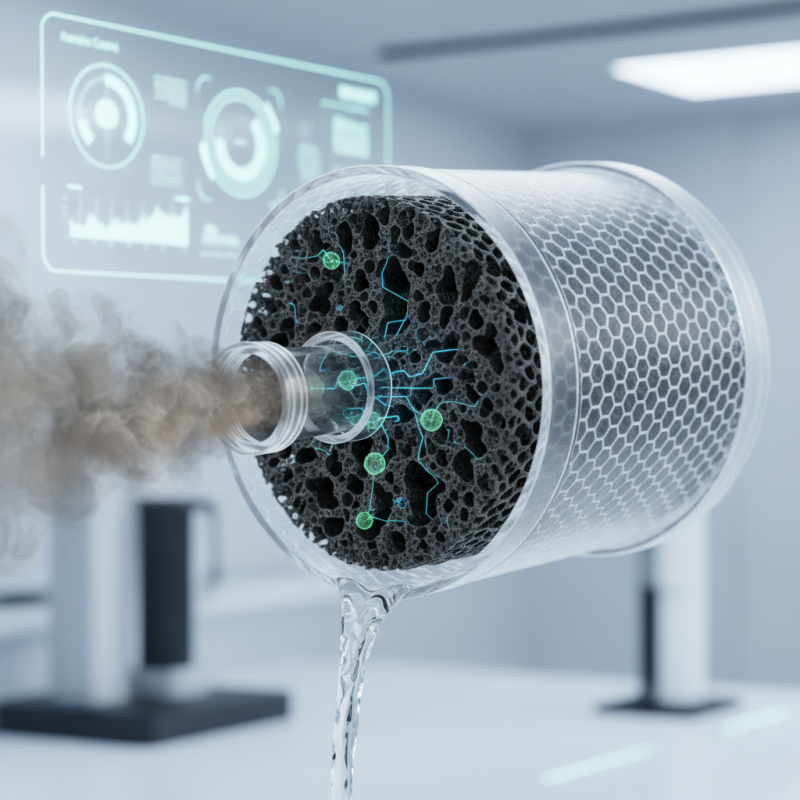
Emerging Technologies in Activated Carbon Filters for 2026
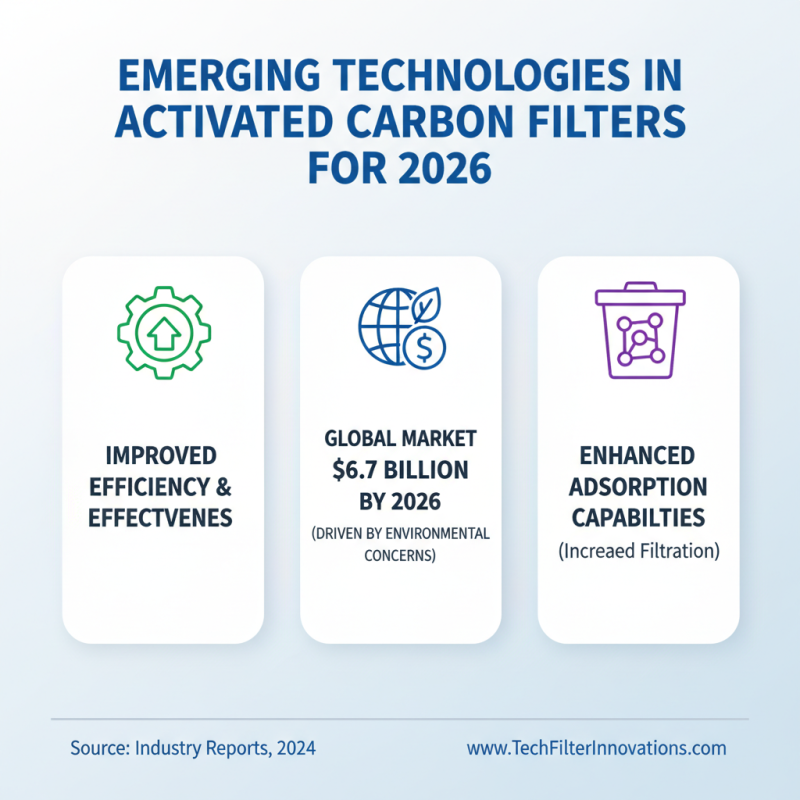
Emerging technologies in activated carbon filters for 2026 focus on improving efficiency and effectiveness. Recent reports indicate that the global activated carbon market is projected to reach $6.7 billion by 2026, driven by growing environmental concerns. Enhanced adsorption capabilities are now a priority, directly correlating with increased filtration effectiveness.
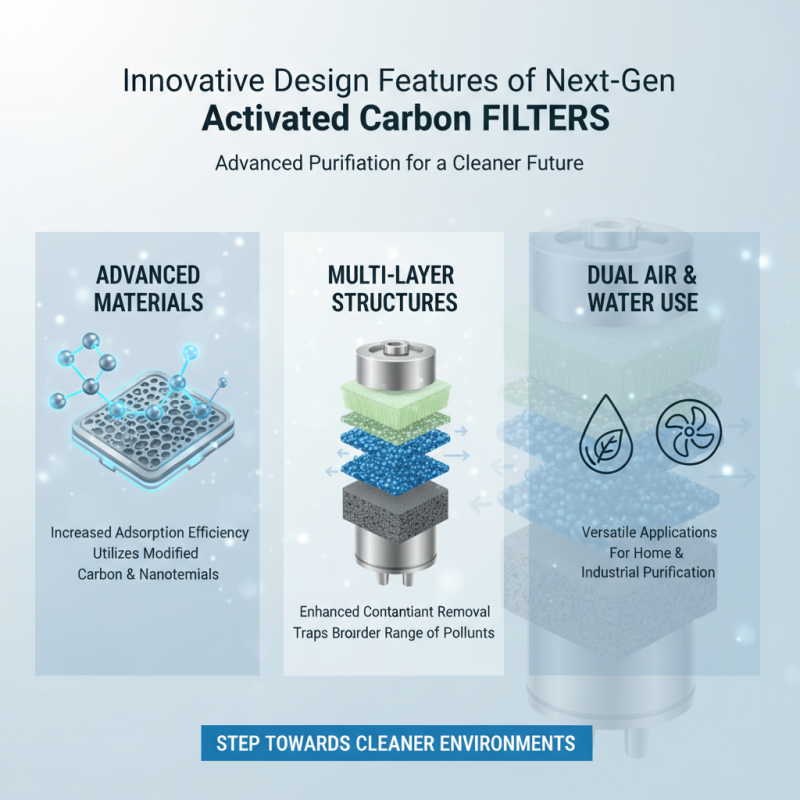
One innovation involves modifying the pore structure of activated carbon. Researchers are experimenting with nanotechnology to create pores that can trap smaller molecules. This advancement could lead to a significant reduction in pollutants, including VOCs and odors. In one study, modified activated carbon demonstrated a 30% improvement in contaminant removal efficiency compared to traditional configurations. Such figures highlight the potential for smarter, more effective filtration solutions.
However, challenges remain. The production cost of advanced activated carbon can be high. Balancing cost with performance improvement is pivotal. Technological advancements must be economically viable to attract widespread adoption. Additionally, there's ongoing research into the longevity of these filters. Some studies suggest that while newer materials are promising, they may not maintain performance over extended periods. Continuous refinement is essential to address these shortcomings and fulfill market expectations.
Mechanisms of Activated Carbon Adsorption in Water Treatment
Activated carbon is a prominent material in water treatment. Its ability to adsorb contaminants stems from its porous structure. This structure increases the surface area available for interaction with pollutants. As water flows through activated carbon filters, impurities cling to its surfaces. This process is known as adsorption. It effectively removes chlorine, volatile organic compounds, and sediment, enhancing water quality.
The effectiveness of these filters relies on various factors. One is contact time. The longer water remains in contact with activated carbon, the more contaminants are captured. Another factor is the particle size of the activated carbon. Smaller particles provide more surface area but can also clog filters quickly. Sometimes, filters may not perform as expected. This can occur if they are not maintained properly or if the water contains exceptionally high levels of certain contaminants. Addressing these issues requires ongoing monitoring and potential adjustments to treatment methods.
2026 Top Activated Carbon Filter Innovations
This chart illustrates the effectiveness of various activated carbon filters in removing different contaminants from water in 2026. The data reflects the percentage reduction in concentration of each contaminant after filtration.
Applications of Activated Carbon Filters in Air and Water Purification
Activated carbon filters play a significant role in
air and water purification.
These filters trap pollutants and contaminants through a process called
adsorption. They are effective in removing
volatile organic compounds (VOCs), odors, and chlorine from water and air.
When air passes through an activated carbon filter, harmful particles cling to the surface
of the granules. This process results in cleaner air
and safer drinking water.
In residential settings, activated carbon filters can improve indoor air quality.
These filters are commonly used in HVAC systems.
They are also found in personal air purifiers. Regular maintenance is crucial.
If filters are not replaced, they can become less effective.
Contaminants can build up, which defeats their purpose.
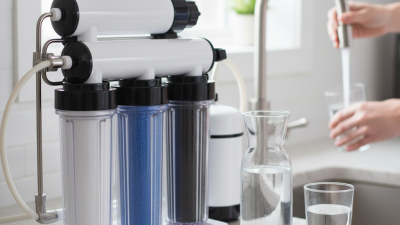
For water purification, activated carbon filters can be found in pitcher filters, faucet attachments,
and under-sink systems. These applications help in removing unpleasant tastes and odors. However,
over time, the efficacy diminishes. Users often overlook this aspect, thinking the filter will last indefinitely.
It’s essential to replace filters regularly for optimal performance.
Tips: Consider testing your water or air quality regularly.
This can help you decide when to replace your filters. Always follow the manufacturer’s instructions for maintenance
to ensure your activated carbon filter works effectively.
Comparative Analysis: Traditional vs. Modern Activated Carbon Solutions
The evolution of activated carbon filters showcases a striking difference between traditional and modern technologies. Traditional solutions rely heavily on granular activated carbon (GAC). They excel in removing larger contaminants, but they can struggle with certain volatile organic compounds. GAC systems often require frequent replacements, leading to higher maintenance costs and environmental concerns over disposal.
In contrast, modern activated carbon solutions incorporate advanced materials and design. Innovations like engineered carbon blocks significantly enhance filtration efficiency. They utilize optimized pore structures that target specific contaminants more effectively. Additionally, these solutions often feature longer lifespans, reducing waste and driving down costs over time. However, the technology can sometimes be more complex, causing confusion among users.
Despite these advancements, challenges remain. Not all new products live up to their promises. Some may still fall short in treating specific pollutants. Users should carefully assess their needs and the conditions of their water supply. Engaging with reliable resources and experts can help navigate this evolving landscape. Awareness of these differences is essential for making informed decisions in filtration technology.
2026 Top Activated Carbon Filter Innovations How Do They Work? - Comparative Analysis: Traditional vs. Modern Activated Carbon Solutions
| Filter Type |
Adsorption Capacity (mg/g) |
Flow Rate (L/h) |
Lifespan (Months) |
Cost (USD) |
Key Innovations |
| Traditional Granular Activated Carbon |
800 |
60 |
6 |
50 |
Minimal processing |
| Modern Fiber-based Activated Carbon |
1200 |
100 |
12 |
80 |
Enhanced pore structure |
| Activated Carbon Block Filter |
1500 |
50 |
9 |
65 |
Positional filtration |
| Nano-structured Activated Carbon |
2000 |
120 |
18 |
100 |
High surface area |