How to Choose the Right Activated Carbon Filter for Your Needs?
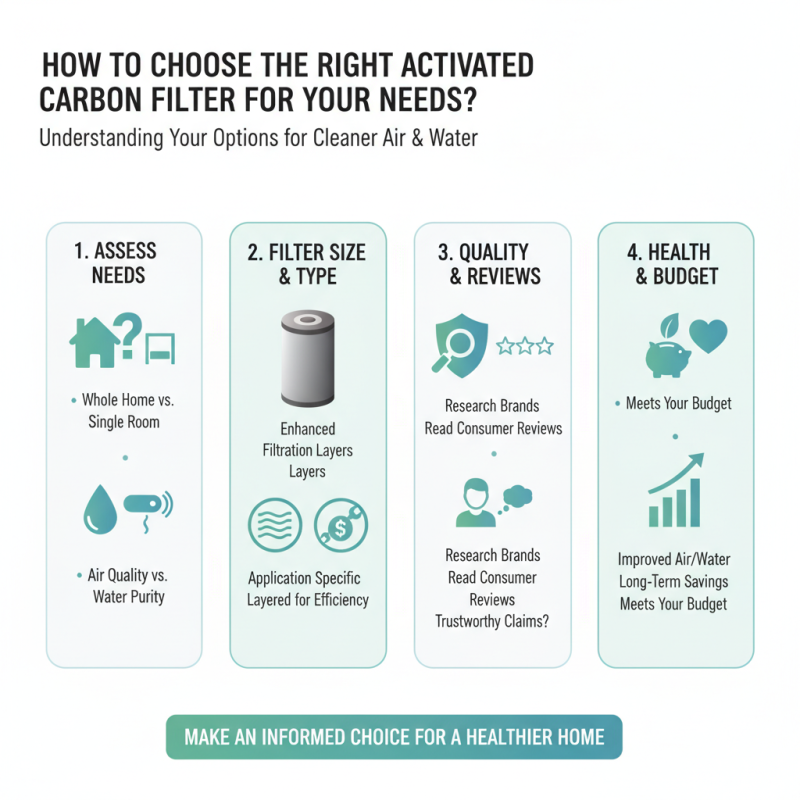
Choosing the right Activated Carbon Filter can be a daunting task. With various options available, understanding your specific needs is essential. Activated carbon filters effectively remove impurities, odors, and harmful chemicals from air and water. It’s crucial to select a filter that not only meets your requirements but also fits your budget.
Your decision may depend on factors like filter size, application, and additional features. For example, a large home needs a more robust filter compared to a single room. Some filters have extra layers for enhanced filtration, which can be beneficial. However, these options might come with higher prices and maintenance costs.
Many consumers overlook the importance of quality. Not all Activated Carbon Filters are created equal. Researching brands and reading reviews can help you find a reliable option. A good filter can significantly improve indoor air quality or water safety, impacting your health positively. But be cautious; not all marketing claims are trustworthy. Ultimately, knowing what features you genuinely need will guide you to the best choice.
Understanding Activated Carbon Filters and Their Applications
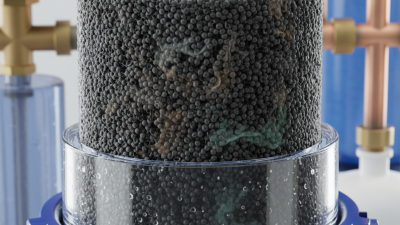
Activated carbon filters are versatile tools used in various applications. They work by adsorbing impurities and contaminants from air and water, making them essential for maintaining clean environments. Common uses include air purification, water treatment, and even aquariums. They remove odors, chlorine, and volatile organic compounds. Knowing the specific needs is crucial to selecting the right filter.
When choosing an activated carbon filter, consider the environment it will be used in. For air filtration, look for filters capable of trapping particulate matter and odors. For water filtration, ensure the filter targets specific contaminants like lead or pesticides. Filters vary in effectiveness based on their granule size and surface area. It's important to check specifications and certifications before making a decision.
Activated carbon is not a catch-all solution. Its effectiveness diminishes over time and requires regular replacement. Users should also be aware of the types of contaminants their filters may miss. Being informed will lead to better choices. Each situation is unique, and sometimes trial and error is necessary. Understanding your specific requirements can help you make a more informed decision.
Types of Activated Carbon Filters: Pros and Cons
Activated carbon filters are essential tools for air and water purification. However, choosing the right type involves understanding their pros and cons. Two main types are granulated activated carbon (GAC) and coconut shell carbon. GAC is widely used in various applications due to its affordability, while coconut shell carbon is known for its high adsorption capacity.
GAC filters can effectively remove chlorine, volatile organic compounds, and odors. A study by the EPA revealed that they can reduce contaminants by over 90%. However, they may become saturated quickly, reducing their effectiveness. Coconut shell carbon, on the other hand, is more efficient in trapping smaller molecules, making it ideal for water purification. Yet, it often comes at a higher price and requires more frequent replacement.
When selecting a filter, consider your specific needs. Analyze the type of contaminants you need to address. Remember to check the filter's lifespan. Tips: Regularly monitor your filter's performance. Don’t overlook manufacturer specifications. If unsure, consult with a water quality expert for guidance. Being informed can help you make a better decision.
Key Factors to Consider When Choosing an Activated Carbon Filter
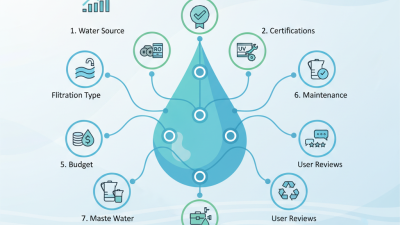
When choosing the right activated carbon filter, consider several key factors. The type of contaminants you want to remove is crucial. Some filters excel at removing odors. Others are better suited for chemicals or heavy metals. Understanding your specific needs will help narrow down your options.
The size of the filter relates to its effectiveness. Larger filters often have a longer lifespan and higher absorption capacity. However, they may not fit your specific space or system. Ensure you measure the area where the filter will be installed. Noise levels can also vary between models. A quieter filter may improve your overall comfort.
Lastly, look at the filter's certification. Reliable filters should have third-party testing to back up their claims. This provides assurance of performance and safety. It might be tempting to choose a cheaper option, but cost can reflect quality. Balancing price with performance is often a challenging decision, one that requires careful consideration and research.
How to Evaluate the Effectiveness of an Activated Carbon Filter
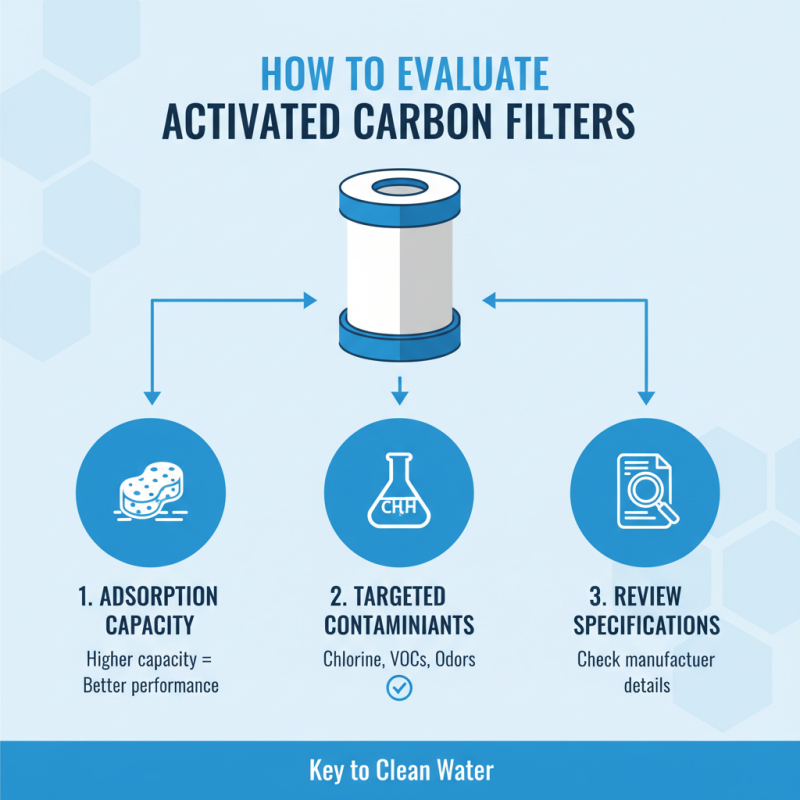
When evaluating the effectiveness of an activated carbon filter, start by assessing its capacity to adsorb contaminants. Look for detailed specifications that outline which chemicals the filter can capture. Commonly targeted substances include chlorine, volatile organic compounds, and various odors. A filter with a higher adsorption capacity generally performs better.
Consider the filter's lifespan as well. A shorter lifespan may indicate lower efficiency. It’s essential to follow the manufacturer's recommendations for replacement intervals. Not changing the filter on time can lead to reduced performance. Pay attention to any noticeable decline in air or water quality, as this may signal that the filter is no longer effective.
Testing your filtered air or water can provide more definitive insights. Using basic testing kits will help measure the presence of harmful contaminants. These tests are often simple and can give immediate feedback on filter performance. Keep in mind, however, that results can vary based on sources and testing methods. Always reflect on your findings and adjust your choice accordingly.
Maintenance Tips for Optimal Performance of Activated Carbon Filters
Activated carbon filters are essential for air and water purification. Proper maintenance is crucial for optimal performance. Regularly replacing the filter is one key factor. Studies show that filters should generally be changed every 6 to 12 months. However, this can vary depending on usage and environmental conditions.
Cleaning is another important aspect. Rinsing the filter gently can remove surface contaminants. This process can prolong its life, but it's important not to saturate the material. A study indicated that improperly maintained filters lose up to 60% of their absorption capacity over time.
Monitoring the filter's effectiveness is vital. This can be done by observing changes in air or water quality. Any noticeable drop in performance should prompt an immediate inspection. Filters exposed to high pollution levels may need more frequent replacements. Transparency in maintenance practices can lead to better outcomes. Users should prioritize both routine checks and informed replacement schedules.
Comparison of Different Activated Carbon Filter Types and Their Effectiveness
This chart displays the adsorption capacities of different types of activated carbon filters. The effectiveness of the filter can vary greatly with the type, making it important to choose the right one based on your specific needs.