Why Choose an Osmosis Filter for Clean Water in Your Home?
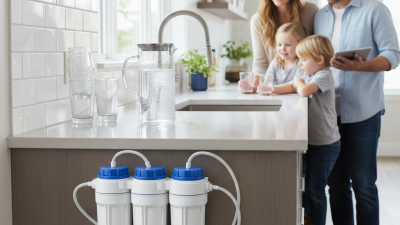
Clean water is essential for every household. Many people overlook the importance of an effective filtration system. An Osmosis Filter offers a reliable solution for achieving high-quality drinking water at home. This technology uses a semi-permeable membrane to remove impurities, making water safe and enjoyable to drink.
Osmosis Filters can eliminate various contaminants, including bacteria, viruses, and chemicals. This capability provides families with peace of mind regarding their drinking water. Moreover, having clean water impacts health positively. Yet, some may question the investment involved in these systems. It's crucial to weigh the long-term benefits against the initial cost.
Many users report significant improvements in taste and odor after installation. However, proper maintenance cannot be overlooked. Regular checks and replacements are necessary to ensure optimal performance. Inadequate upkeep can lead to subpar filtration, resulting in doubts about quality. Ultimately, the choice to install an Osmosis Filter reflects a commitment to health and well-being.
Understanding Osmosis Filtration: The Basics of the Technology
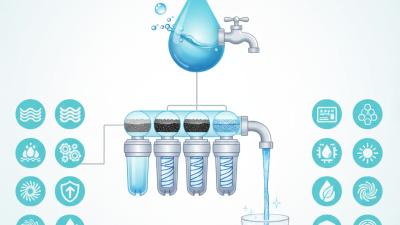
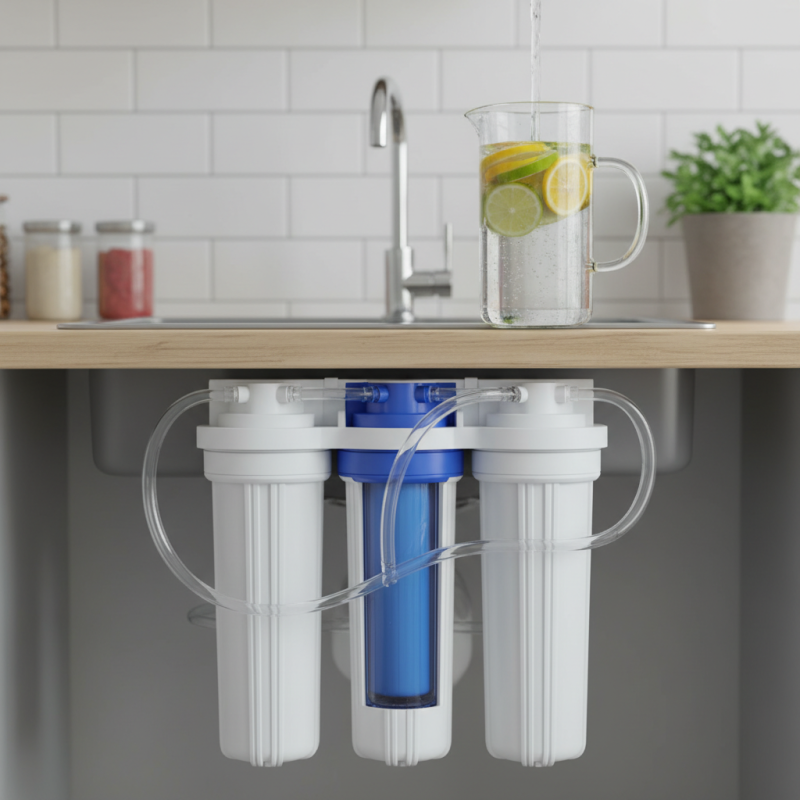
Osmosis filtration is a widely used water purification technology. It effectively removes contaminants. This process is based on a simple scientific principle. Water moves through a semi-permeable membrane. Only clean water passes, while impurities get trapped. This leads to higher quality drinking water.
The osmosis filtration system offers several benefits. It reduces harmful substances like heavy metals and chlorine. The result is fresher, safer water for your family. However, the system requires regular maintenance. Filters need replacements to maintain efficiency. Neglecting this can lead to reduced performance. It’s essential to stay informed about upkeep.
Understanding the technology is crucial. Osmosis filters vary in design and effectiveness. Not all systems are created equal. Research is key before making a choice. You might discover that some models don’t suit your needs. This evaluation can be overwhelming but essential for a clean water supply. Remember, quality matters when it comes to your health and safety.
The Benefits of Osmosis Filters for Home Water Purification
Osmosis filters are an excellent choice for home water purification. They effectively remove contaminants. This includes bacteria, heavy metals, and other harmful substances. The process involves pushing water through a semi-permeable membrane. This membrane allows only clean water to pass, ensuring you drink safe, high-quality water.
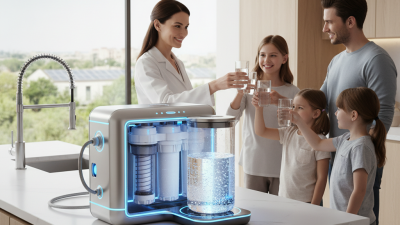
Beyond safety, osmosis filters improve the taste of your water. Many users notice a significant difference. Filtered water tastes fresh and clean, making it more enjoyable to drink. Additionally, these systems can reduce water waste if properly maintained. Regular upkeep is essential, yet many homeowners overlook this. Failing to replace filters can lead to decreased performance.
Cost can be another factor to consider. While the initial investment may seem high, it can save money in the long run. Bottled water expenses add up quickly. Moreover, the environmental benefits are notable. Using an osmosis filter reduces plastic waste significantly. Even though these systems have their challenges, like needing regular maintenance, the benefits often outweigh the drawbacks.
Why Choose an Osmosis Filter for Clean Water in Your Home? - The Benefits of Osmosis Filters for Home Water Purification
| Benefit |
Description |
Impact |
| Effective Contaminant Removal |
Removes harmful substances such as lead, chlorine, and heavy metals. |
Ensures safer drinking water. |
| Improves Taste |
Filters out unpleasant tastes and odors, enhancing water quality. |
Encourages increased water consumption. |
| Cost-Effective |
Reduces the need for bottled water and other purification methods. |
Saves money in the long run. |
| Low Maintenance |
Requires simple filter changes and occasional cleaning. |
Convenient for daily use. |
| Health Benefits |
Promotes better health by providing clean water free from harmful agents. |
Reduces the risk of waterborne diseases. |
Comparing Osmosis Filters with Other Water Filtration Methods
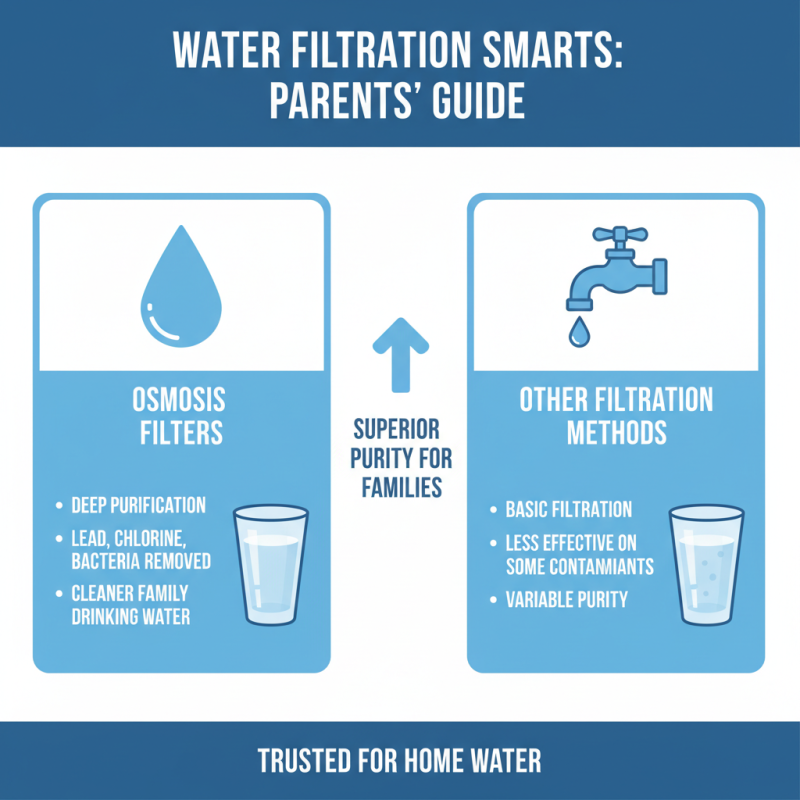
When it comes to home water filtration, parents often choose an osmosis filter. Osmosis systems are known for their effectiveness. They remove contaminants like lead, chlorine, and bacteria. Compared to traditional filters, they provide a deeper level of purification. This leads to cleaner drinking water for families.
Other methods include activated carbon and UV filters. Activated carbon filters are good for taste but not comprehensive. They may miss harmful substances. UV filters kill bacteria but do not remove physical impurities. Many households rely on a combination of these filters. However, they can fall short in effectiveness, making osmosis a preferred choice.
Osmosis filters can seem complex and require regular maintenance. Some people might find the installation daunting. It's essential to weigh the pros and cons carefully. A user might need to consider the specific water quality in their area. This can influence the choice of filtration system. It’s a balance between convenience and thorough purification. Choosing the right system improves health and safety.
Factors to Consider When Choosing an Osmosis Filter for Your Home
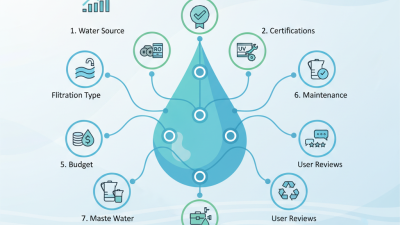
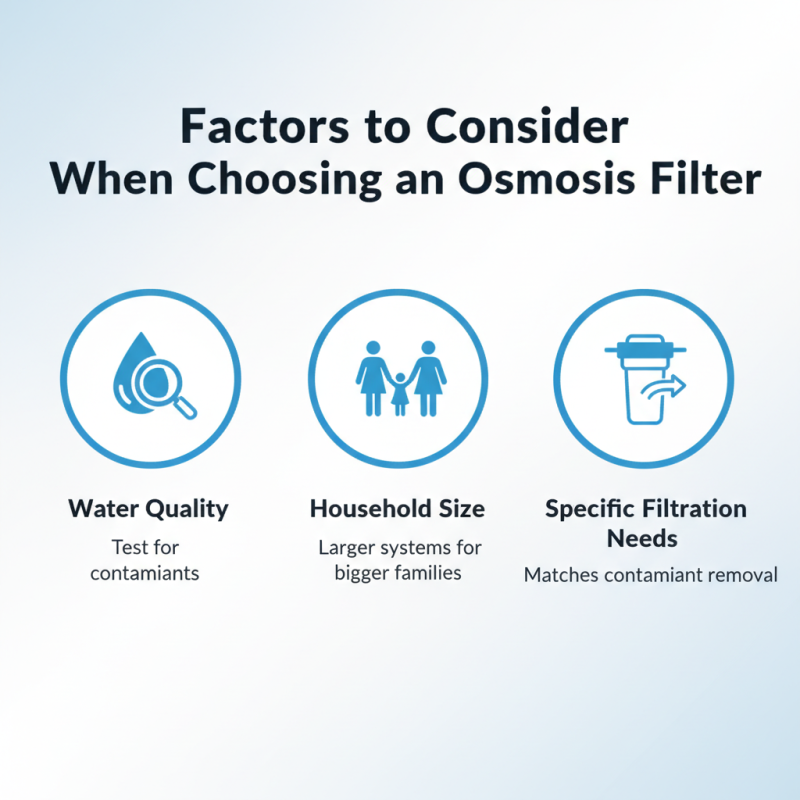
When selecting an osmosis filter for your home, several key factors must be considered. First, assess the quality of your current water supply. Testing for contaminants ensures you understand specific filtration needs. Look for filters that effectively remove those particular impurities. Consider the size of your household too. Bigger families may require larger systems to meet daily water consumption.
Additionally, pay attention to the filter's maintenance requirements. Some systems might need frequent cartridge changes, which can be inconvenient and costly. Also, evaluate the installation process. Certain models are straightforward and require minimal tools, while others may need professional help. This can affect your decision on which system to choose.
It's essential to review the system's efficiency. Not all filters are created equal. Some may have longer processing times or lower water output. Testimonies from other users can provide real insights. Be cautious and read reviews to avoid potential pitfalls. Having water that is safe to drink is crucial, yet the perfect filter might not exist. Choose a balance between performance, cost, and your specific needs.
Maintenance and Care: Ensuring Longevity of Your Osmosis Filter
Osmosis filters are known for their ability to provide clean, safe drinking water. However, many users overlook the importance of regular maintenance. Proper care ensures the longevity of these systems. According to the Water Quality Association, improper maintenance can reduce filter effectiveness by up to 50%.
Routine checks are crucial. For instance, replacing pre-filters every six months can significantly enhance performance. Membrane lifespan also matters; these should typically be changed every two to three years. Skipping these steps may lead to stagnant water or accumulation of harmful contaminants.
Additionally, while osmosis filter systems are efficient, they require user commitment. Some may underestimate the time and effort needed for upkeep. Users often face challenges such as hard water, which can impact filter life. Investing in water softening solutions could mitigate this issue. Regular maintenance procedures empower homeowners to enjoy consistently clean water. Making these efforts will lead to improved health and a more reliable filtration system.