What is a Borehole Filter and How Does it Work?
Borehole filters play a crucial role in water extraction and purification. These devices are designed to remove particulates from groundwater and ensure clean water supply. Understanding how borehole filters work can significantly impact water quality and its safe use in various applications.
A borehole filter typically consists of a well-designed mesh or screen that traps debris and sediments. This process enhances the overall efficiency of groundwater extraction. Filters are necessary in areas where water sources contain high levels of impurities. The correct filter can protect pumps and plumbing systems from damage caused by foreign particles.
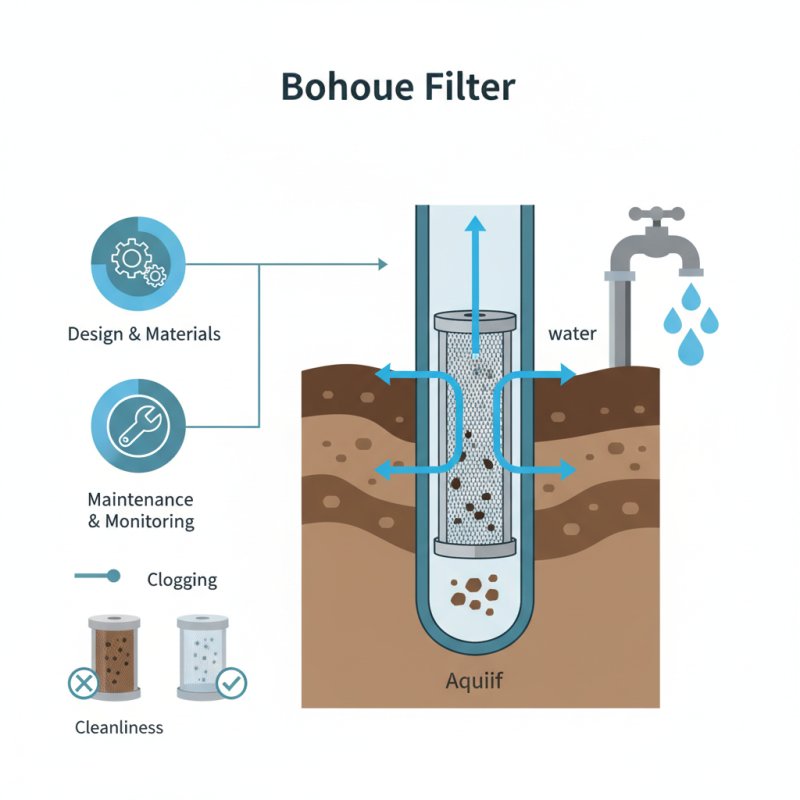
However, not all borehole filters are created equal. Their effectiveness can vary based on design and materials used. Thus, selecting the right filter requires careful consideration. Regular maintenance and monitoring are also essential to maintain performance. Without proper care, filters can become clogged. This can lead to water quality issues and reduce the effectiveness of the borehole. Understanding these aspects helps users make informed choices about borehole filters.
What is a Borehole Filter?
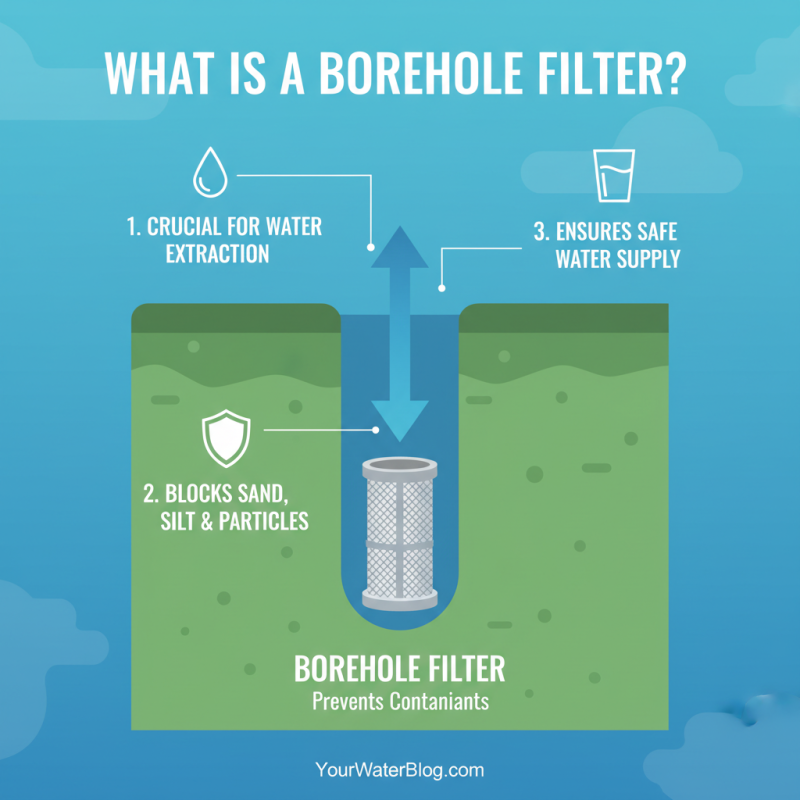
A borehole filter is a crucial component in water extraction systems. It is designed to prevent contaminants from entering the water supply while allowing clean water to flow. These filters are typically placed at the bottom of a borehole. Their primary function is to block sand, silt, and other particles. By doing this, they help ensure that the water extracted is safe for consumption.
Understanding how a borehole filter works is essential. The filters often use various materials, including gravel and sand. These materials create a barrier that traps unwanted particles. However, it’s important to choose the right filter for specific soil conditions. An improper selection can lead to clogging or reduced water output. Regular maintenance is also often overlooked. Neglecting cleaning can hinder filter efficiency, making it less effective over time. Proper monitoring is key to maintaining optimal water quality.
The Purpose and Importance of Borehole Filters
Borehole filters play a crucial role in water extraction processes. They ensure that the water pumped from underground sources is clean and safe for consumption. According to industry reports, around 80% of groundwater is prone to contamination from surrounding soil and bacteria. The use of a borehole filter minimizes these risks.
These filters work by preventing sand, silt, and other particulates from entering the water supply. This not only protects pumps and other equipment but also maintains water quality. In some regions, untreated water can contain heavy metals or harmful microorganisms. Regular maintenance and timely replacement of filters are essential to mitigate these risks effectively.
Tip: Inspect borehole filters regularly to catch issues early. This can prevent costly repairs down the line. Another essential point is to choose the right mesh size for specific water conditions. Different soil types and contaminants require tailored solutions.
Maintaining clean water sources is critical for health. A study found that proper filtration can reduce microbial contamination by over 90%. Inadequate filtration, however, can lead to waterborne diseases, reminding us of the need for vigilance. Filtering water properly is not just about technology; it requires constant monitoring and adjustments based on changing conditions.
Types of Borehole Filters Used in Water Wells
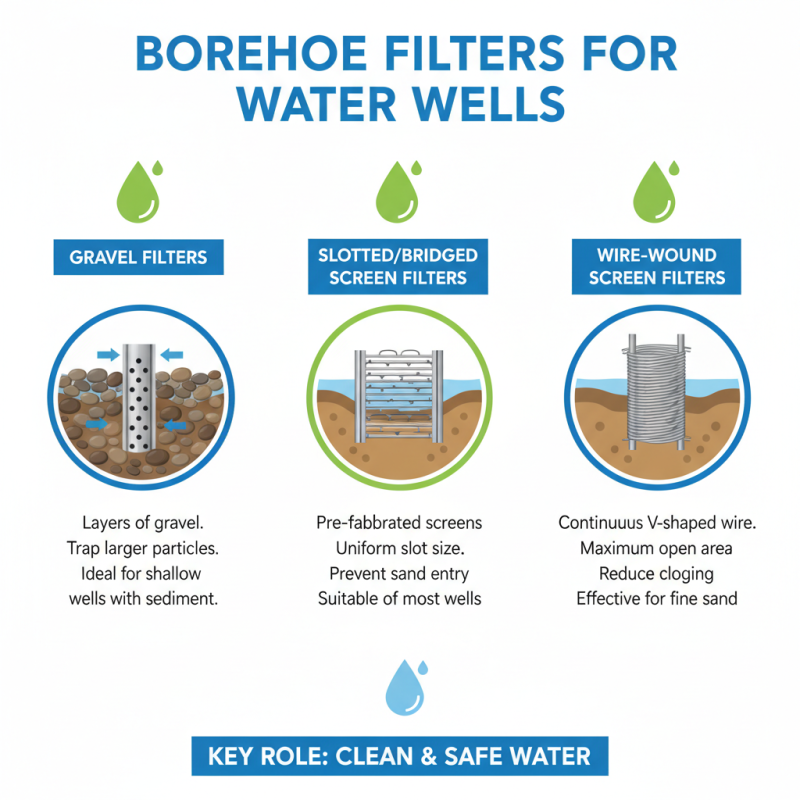
Borehole filters play a crucial role in water wells by ensuring that the extracted water is clean and safe for consumption. Several types of filters are commonly used, each specialized for different well conditions. Gravel filters are one of the most popular types. They consist of layers of gravel that trap larger particles while allowing water to flow through. This type is often used in shallow wells, where sediment can be significant.
Another common type is the screen filter. These filters have small perforations that prevent sand and other particulate materials from entering the well. Screen filters are ideal for deeper boreholes. According to the National Ground Water Association, improper filtration can lead to issues with water quality, making the right choice critical. Additionally, mesh filters are sometimes utilized for fine filtration but can clog quickly, requiring regular maintenance.
Notably, some regions have specific needs based on local geology. For example, areas with high clay content may require specialized geotextile filters to manage the different sediment types efficiently. Data from recent studies reveal that approximately 30% of water well failures are attributed to poor filtration choices. This significant percentage underscores the need for careful selection and design of borehole filters. Understanding these variations is essential for maintaining both water quality and well longevity.
How Borehole Filters Operate: A Step-by-Step Guide
Borehole filters play a crucial role in ensuring the quality of groundwater. Understanding how they function is essential for effective water management. These filters are usually situated at the bottom of boreholes. They safeguard against sediment, sand, and harmful particles entering the water supply.
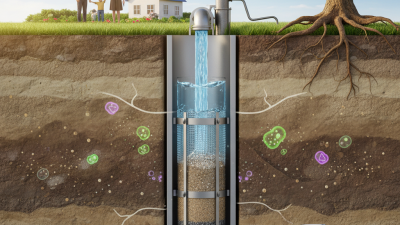
The operational process begins when water flows from underground aquifers into the borehole. The borehole filter acts as a barrier, allowing only clean water to pass through. As water moves through the filter, sediments are trapped. Different materials, such as gravel or specialized mesh, are often used in construction to enhance efficiency. Regular maintenance checks are vital for optimal performance as filters can become clogged over time.
However, issues can arise despite their design. Some borehole filters may not efficiently remove all contaminants. It's important to recognize this limitation. Regular monitoring helps identify any decline in water quality. Users must also consider local geology and hydrology. These factors greatly influence how filters operate and their effectiveness in specific environments. Making informed decisions based on these aspects can significantly enhance the outcome of borehole water extraction.
What is a Borehole Filter and How Does it Work?
| Dimension |
Description |
| Type of Filter |
Sand and Gravel Filter |
| Function |
To prevent sediment from entering the borehole |
| Installation Depth |
Typically 1-5 meters |
| Material |
Perforated PVC or Stainless Steel |
| Flow Rate |
Depends on filter size and type (typically 5-100 L/min) |
| Maintenance |
Regular cleaning and inspection recommended annually |
| Common Problems |
Clogging due to sediment build-up |
Maintenance and Troubleshooting of Borehole Filters
Maintaining a borehole filter is crucial for its longevity and performance. Regular checks are vital. Inspecting the filter for clogs can save time and resources. Sediment buildup can lead to reduced water quality. Use a fine mesh to catch larger particles. This step prevents damage to the pump and filter system.
Troubleshooting issues is equally important. If you notice low water flow, check the filter condition. Clogged filters can easily impact output. Cleaning may involve back flushing with water. However, sometimes, physical replacement is necessary. Watch for signs of wear. Filters can degrade over time. Having a plan for replacement ensures efficiency.
Understanding the filter's purpose enhances maintenance efforts. Borehole filters are designed to protect the water supply. Awareness of common problems helps in quick resolution. Keep documentation of maintenance activities. This can guide future troubleshooting efforts. Regular maintenance promotes reliable water supply for homes and businesses.