

Leave Your Message

2026 Top Borehole Filters Trends and Innovations to Watch?

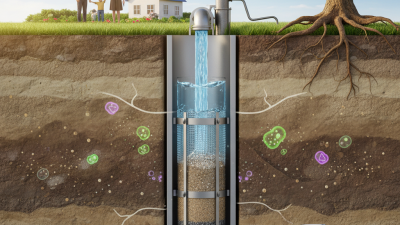
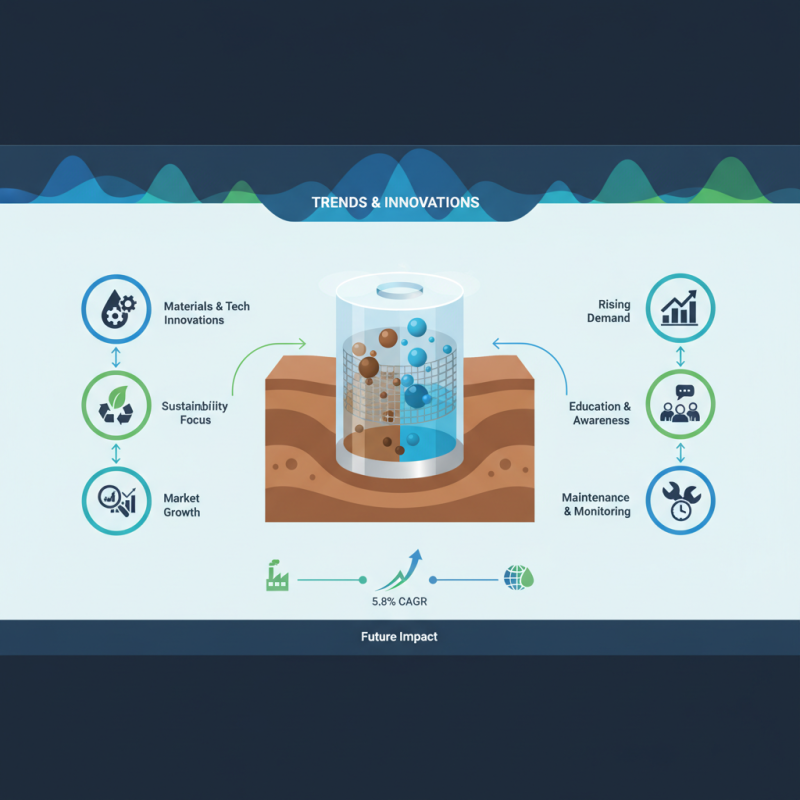
The borehole filter industry is evolving rapidly. In 2026, we anticipate significant trends and innovations. Borehole filters play a critical role in water extraction and management. They ensure clean, accessible water for agriculture and communities. According to recent market reports, the global borehole filter market is expected to grow at a CAGR of 5.8% from 2023 to 2028.

Innovations in materials and technologies are transforming this sector. Many companies are investing in advanced filtration systems. These systems enhance filtration efficiency and durability. For instance, improved polymer materials are becoming more prevalent. However, challenges remain in sustainability and environmental impact. It's vital for manufacturers to address these issues as they innovate.

The demand for high-quality borehole filters is rising. As the population grows, so does the need for reliable water sources. Yet, awareness of maintenance and regular monitoring of these systems is still lacking among users. This gap in understanding can lead to inefficiencies and increased costs. It’s crucial to focus on education and awareness campaigns alongside technological advancements.
2026 Top Borehole Filters Trends and Innovations to Watch?

Emerging Technologies in Borehole Filter Design for 2026

The borehole filter design landscape is evolving rapidly as we head into 2026. Emerging technologies focus on enhancing efficiency and sustainability. New materials are being introduced, including advanced polymers and composites. These materials not only improve filtration efficiency but also extend the lifespan of filters. Environmentally friendly options are gaining traction, aligning with global sustainability goals.

Innovative designs are also on the rise. Multifunctional filters that combine filtration and water purification hold great promise. These technologies might reduce the need for multiple systems, cutting costs and complexity. Real-time monitoring systems are becoming essential. They analyze water quality and filter performance continuously, allowing for timely interventions.

Despite these advancements, some challenges remain. The integration of new technologies can be complex. Existing infrastructure may not support these innovations. Moreover, there are questions about long-term durability and maintenance. Stakeholders need to ensure that new designs are reliable and effective over time. Balancing innovation with practical application is crucial in the coming years.

2026 Top Borehole Filters Trends and Innovations to Watch

Trend/Innovation Description Impact Adoption Rate (%)
Self-Cleaning Filters Filters with built-in mechanisms to remove accumulated debris, improving efficiency. Reduced maintenance efforts and prolonged filter life. 45%
Smart Sensors Integration of sensors to monitor water quality and filter performance in real time. Improved data collection for better decision-making. 60%
Eco-Friendly Materials Use of biodegradable and recyclable materials in filter production. Reduction of environmental footprint. 30%
Nanotechnology Applying nanomaterials to improve filtration efficiency and performance. Enhanced removal of contaminants at a microscopic level. 25%
Modular Filter Systems Customizable and expandable filter systems to meet specific needs. Greater flexibility and scalability for users. 55%

Key Trends in Material Science for Enhanced Borehole Filter Performance

The borehole filter industry is undergoing notable transformations in material science. Innovations are providing enhanced performance, durability, and efficiency. Engineers are turning to advanced polymers and composites that resist corrosion and clogging. These materials improve flow rates and reduce maintenance needs. Such advancements address the growing demands for sustainable and effective filtration systems.

In recent years, researchers have explored nanomaterials' potential for borehole filters. These tiny particles can enhance filtration capabilities and reduce the size of the filters. While the potential is promising, challenges remain. For instance, the long-term stability and environmental impact of these nanomaterials require further investigation. Understanding these aspects is crucial for wider adoption.

In this evolving landscape, the conversation around material sustainability has gained traction. Filters made from recycled materials are gaining attention. They offer both performance and environmental benefits. However, the balance between cost, effectiveness, and sustainability presents an ongoing challenge. Continuous exploration will shape the future of borehole filtration technologies.

Innovative Filtration Techniques for Improved Water Quality Management

2026 Top Borehole Filters Trends and Innovations to Watch?

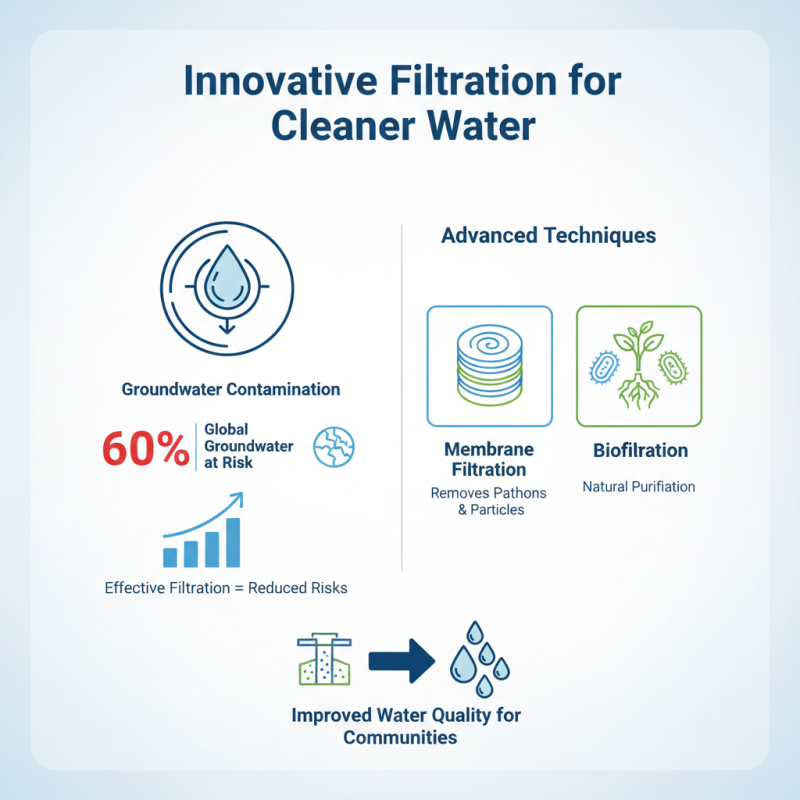
Innovative filtration techniques are crucial for improving water quality management in borehole systems. Recent studies show that approximately 60% of groundwater worldwide is vulnerable to contamination. Effective filtration can greatly reduce these risks, ensuring cleaner drinking water for communities. Innovations like membrane filtration and biofiltration are gaining traction. These methods enhance the removal of pathogens and particulate matter far more efficiently than traditional methods.

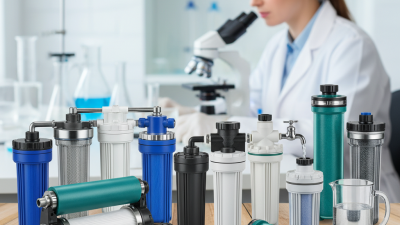
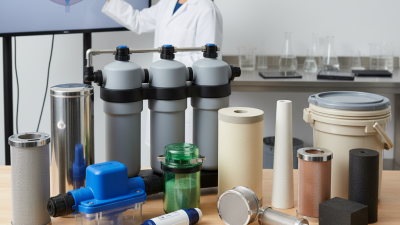
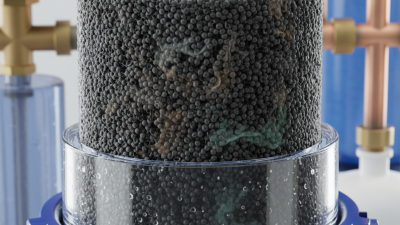
When considering filtration methods, having the right technology is essential. Advanced materials, such as activated carbon and ceramic filters, are becoming much more common. They provide higher filtration rates and better longevity. Reports indicate that the global water filtration market is projected to reach $63 billion by 2026. Efficient filtration not only improves water quality but also reduces healthcare costs associated with waterborne diseases.

**Tips:** Regularly inspect and maintain filtration systems to ensure optimal performance. Using multiple filtration methods can offer a more comprehensive solution. Be mindful that not all filters are created equal; research their effectiveness before making a commitment.

Sustainability Practices in Borehole Filter Production and Use

Sustainability in borehole filter production is gaining momentum. Many manufacturers are exploring eco-friendly materials. These materials often use recycled components, minimizing waste in the manufacturing process. One emerging trend is using biodegradable plastics that break down over time. This reduces long-term pollution.

Water conservation is also crucial. Efficient filters can lower the water required for extraction. In arid regions, this is essential for sustainability. Incorporating renewable energy sources in the production process is becoming more common. Solar panels and wind turbines can power manufacturing sites, lowering carbon footprints.

However, challenges remain. The transition to sustainable practices is often slow. Some manufacturers resist due to higher costs. Market demand for these eco-friendly options is rising, but awareness gaps still exist. Investing in education about sustainable practices in borehole filtering is vital. Engaging stakeholders can drive change, but it requires effort and time.

Future Prospects: Automation and Smart Systems in Borehole Filtration

2026 Top Borehole Filters Trends and Innovations to Watch?

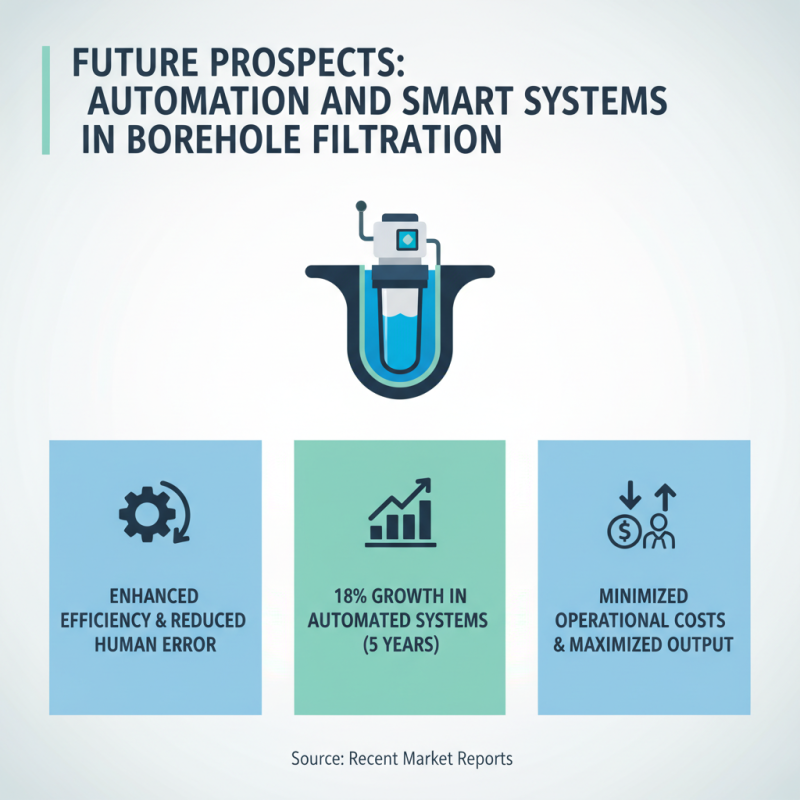
The future of borehole filtration is increasingly leaning towards automation and smart systems. Automation enhances efficiency and reduces human error. According to recent market reports, automated filtration systems are expected to grow by 18% in the next five years. This trend shows a clear shift towards technology that minimizes operational costs and maximizes output efficiency.

Smart systems integrate IoT technology into borehole filtration. These systems can monitor filtration processes and adjust parameters in real-time. A report by the International Water Association highlighted that smart filtration could decrease water contaminants by over 30%. However, reliance on technology might overlook the need for skilled personnel to manage such systems effectively.

Tip: Consider investing in training for staff. Ensuring employees understand smart technology is crucial for optimal operation.

Additionally, data analytics plays a vital role in enhancing borehole water quality. Predictive maintenance can save organizations from costly breakdowns. Yet, the implementation of new technologies should be carefully evaluated. Transitioning too quickly without proper infrastructure can lead to operational challenges.

Tip: Conduct a thorough assessment before integrating new technologies to identify potential risks and benefits.