What Is the Best Activated Carbon Filter in 2026?
Choosing the best Activated Carbon Filter in 2026 requires more than comparing pore size or price. A filter may improve taste, reduce chlorine, and capture selected organic chemicals. However, performance depends on contact time, carbon quality, water chemistry, and cartridge maintenance. No filter wins every test.
The U.S. Environmental Protection Agency explains that activated carbon can remove certain contaminants through adsorption, but certified claims must be checked carefully. NSF International’s NSF/ANSI 42 standard covers aesthetic effects, while NSF/ANSI 53 addresses specific health-related contaminants. These standards matter at the kitchen sink, where an old cartridge can quietly reduce protection. A faint chlorine smell may be the first warning.
Market data also shows strong sector growth. Grand View Research valued the global activated carbon market at approximately USD 4.5 billion in 2023 and projected continued expansion through 2030. That growth reflects wider use in drinking-water treatment, industrial processing, and air purification. Still, market growth does not prove that every household product performs equally.
Dr. Joseph G. Jacangelo, a recognized drinking-water treatment specialist, offers a useful principle: “Performance depends on the contaminant, the water, and the operating conditions.” Buyers should treat that statement as a practical test, not a slogan. Check independent certification, rated capacity, replacement intervals, and contaminant-specific data. I may be overly cautious here, but attractive packaging cannot replace laboratory evidence. This guide compares the leading options through those measurable details, while acknowledging an uncomfortable point: the “best” Activated Carbon Filter may change with each home’s water supply.
What Is an Activated Carbon Filter?
What Is the Best Activated Carbon Filter in 2026?
What Is an Activated Carbon Filter?
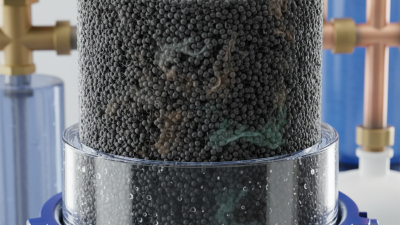
An activated carbon filter uses porous carbon to trap certain chemicals as water passes through it. This process is called adsorption, not absorption. Millions of tiny pores create a large contact surface. Chlorine, unpleasant odors, and many organic compounds may cling to that surface.
The filter’s design matters. Granular activated carbon allows water to flow through loose carbon particles. Carbon block filters press carbon into a denser shape, often improving contact time and particle reduction. In practical use, slow flow usually gives better treatment. A fast stream may taste cleaner but receive less filtration. That detail is easy to miss.
Activated carbon does not remove everything. It is generally weak against hardness, nitrate, fluoride, and many microorganisms. Some specialized media can target additional substances, but performance must be verified. Look for independent testing, stated reduction claims, and a clear replacement schedule. Do not trust vague promises.
Tips: Check the filter’s rated capacity and flow rate. Replace it on time, even if the water still tastes normal. Clean the housing carefully. A neglected cartridge can become a poor filter. I would also test untreated and filtered water when possible; taste alone can mislead.
How Activated Carbon Filters Work
What Is the Best Activated Carbon Filter in 2026?
How Activated Carbon Filters Work
Activated carbon filters work through adsorption, not simple straining. Their enormous internal pore network attracts many dissolved organic molecules. The U.S. EPA’s Drinking Water Treatability Database lists granular activated carbon for numerous organic contaminants, including solvents, pesticides, and taste compounds. Results depend on pore size, contact time, temperature, and competing organic matter. Water chemistry matters.
As water enters, contaminants diffuse into carbon pores and cling to the surface through weak molecular forces. A deeper bed usually provides longer contact time, allowing adsorption sites to work more completely. However, carbon does not neutralize every contaminant. The World Health Organization’s 2022 drinking-water guidelines emphasize verifying treatment performance for each chemical and source water. In field systems, early breakthrough can occur when carbon becomes saturated, even while the water still looks clear. That invisible failure is easy to underestimate.
Professional selection should start with laboratory testing, not a glossy capacity claim. EPA guidance recommends pilot or treatability studies when contaminant behavior is uncertain. The WHO and UNICEF Joint Monitoring Programme reported that 2.2 billion people lacked safely managed drinking water in 2022. That figure highlights the need for reliable treatment, but it does not prove one filter fits every home. Replacement timing should follow measured breakthrough, usage volume, and independent testing. I would still question any promise of “complete removal.” Real water is messier than a brochure.
Key Factors for Choosing the Best Filter in 2026
What Is the Best Activated Carbon Filter in 2026?
Key Factors for Choosing the Best Filter in 2026
The best activated carbon filter depends on your water source and target contaminants. A filter for chlorine may not address lead, pesticides, or unpleasant odors. Check an independent performance report before trusting broad claims. Look for testing against the specific substances you want removed. General “purification” language is not enough.
Carbon type matters. Granular activated carbon often allows faster flow, while carbon blocks usually provide deeper contact. Longer contact time can improve adsorption, but it may reduce convenience. Measure your daily water use before choosing capacity. A small cartridge may exhaust quickly in a busy household. That mistake is easy to make.
Pay attention to flow rate, pressure limits, cartridge life, and replacement cost. Certification to relevant filtration standards can add useful confidence, but it does not prove every contaminant is removed. Confirm the exact claim. Installation also matters; loose fittings can cause bypass and contamination. I would inspect seals monthly and replace cartridges on schedule, even when water still looks clear. Clear water can hide dissolved pollutants. No checklist is perfect. Test results, maintenance records, and honest limitations should guide the decision.
Top Activated Carbon Filter Types Compared
What Is the Best Activated Carbon Filter in 2026?
Top Activated Carbon Filter Types Compared
Granular activated carbon, or GAC, offers a practical balance for household water treatment. Its loose carbon granules create many contact points for chlorine, odors, and some organic chemicals. However, water may find channels through the bed when it is poorly packed. That weakness is easy to overlook.
Carbon block filters compress fine carbon particles into a solid cartridge. They usually provide more consistent contact and can reduce sediment more effectively. Their dense structure may also slow water flow. This type suits drinking-water systems where taste and contaminant reduction matter. Still, performance depends on pore size, carbon quality, and replacement timing.
Catalytic carbon is designed for difficult compounds, including chloramine and certain sulfur odors. It can outperform standard carbon in specific conditions, but it often costs more. Impregnated carbon uses added materials for targeted treatment. Its value depends on verified testing, not impressive packaging claims. No filter removes everything. That remains important.
Tips: Match the carbon type to a tested contaminant list. Check independent performance data and the rated capacity. Replace cartridges before taste changes appear. Keep a simple replacement record. If pressure drops sharply, inspect sediment buildup first. My practical mistake was judging filters by taste alone; clear, pleasant water does not prove complete treatment.
How to Install, Maintain, and Replace the Filter
The best activated carbon filter is not always the largest one. Fit matters more. For drinking water, choose a certified unit meeting NSF/ANSI 42 for chlorine, taste, and odor claims. Some models also address specific chemicals, but certification must match the contaminant. The WHO/UNICEF JMP 2023 report found that 2.2 billion people lacked safely managed drinking water in 2022. A carbon filter can improve water quality, but it cannot make every unsafe source drinkable.
Installation should begin with a closed valve and a clean work area. Flush the cartridge until the water runs clear. Keep the filter upright, and check every connection for slow leaks. Carbon needs contact time, so do not exceed the stated flow rate. Faster flow can reduce performance.
I have seen users blame the cartridge when the real problem was poor sealing or an oversized faucet. That mistake is easy to repeat.
Tips:
Mark the installation date on the housing. Replace the cartridge when capacity is reached, taste changes, flow drops, or the supplier’s schedule arrives. Do not wash disposable carbon cartridges. Sanitize the housing during replacement, then flush again. The U.S. EPA advises following treatment-device instructions and testing water when contamination is suspected. Replacement timing should follow measured capacity, not convenience. Humidity, sediment, and heavy use can shorten service life. Inspect it monthly. Five minutes helps.