What is Activated Carbon Filter and How Does it Work?
Activated Carbon Filters play a crucial role in purifying air and water. Experts in the field highlight their effectiveness. Dr. Emily Griffith, an environmental scientist, states, "Activated Carbon Filters are essential for removing impurities." Her insights underline the filter's importance in various industries.
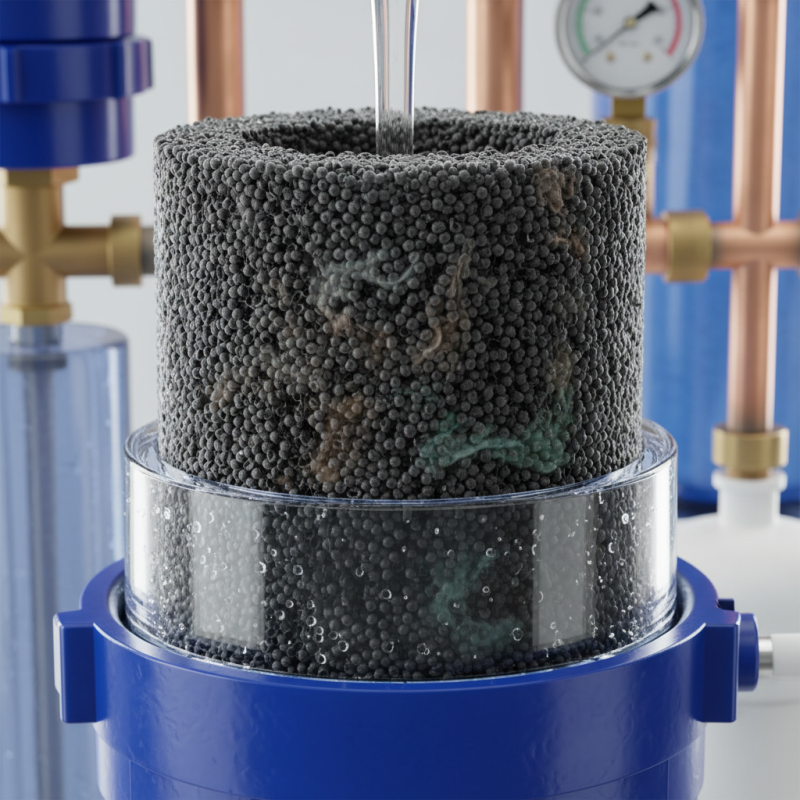
These filters work by adsorbing contaminants onto their surface. The process is simple yet efficient. Activated carbon is highly porous, creating a large surface area for trapping pollutants. Whether in home water systems or industrial air purifiers, these filters reduce toxins effectively.
Despite their benefits, relying solely on Activated Carbon Filters can be limiting. They require regular maintenance and replacement to ensure optimal performance. Though effective, they may not capture all types of contaminants. It's essential to complement them with other purification methods for comprehensive safety.
What is Activated Carbon Filter?
Activated carbon filters are essential tools in air and water purification. These filters work by adsorbing impurities due to the large surface area of activated carbon. Studies indicate that a single gram of activated carbon can offer a surface area of up to 3,000 square meters, making it highly effective at trapping contaminants.
The adsorption process involves harmful substances, such as volatile organic compounds (VOCs) and chlorine, adhering to the pores of the carbon material. Research shows that activated carbon can remove up to 90% of these contaminants, which is critical for maintaining air and water quality. Its efficiency varies across different pollutants, and not all activated carbon filters perform equally well.
While activated carbon filters are effective, there are limitations. They require regular replacement to maintain performance. Over time, their efficacy can decrease as pores become saturated. In a residential setting, it's recommended to replace filters every 6 to 12 months. This aspect shows that ongoing maintenance is key. Users often underestimate the importance of this task, leading to reduced filtration efficiency. Such reflection on maintenance needs is fundamental for optimal air and water quality management.
The Composition of Activated Carbon
Activated carbon is a unique material commonly used in various filtration systems. It is made from organic substances like coconut shells or wood. The activation process involves heating these materials at high temperatures. This creates a network of tiny pores, significantly increasing the surface area. A single gram of activated carbon can have over 1,000 square meters of surface area. This large area helps trap contaminants effectively.
The primary component of activated carbon is carbon itself, but its structure plays a crucial role. During production, chemical treatments may occur to enhance its adsorption capabilities. The porous structure allows the carbon to attract and hold molecules of pollutants. As air or water passes through, harmful chemicals cling to the surface. This process is efficient yet not perfect. Some substances may slip through, or the carbon may become saturated, reducing its effectiveness over time.
Understanding the composition of activated carbon reminds us that perfection is elusive. While it excels at removing many impurities, it is not a catch-all solution. Each application has its limitations. Regular maintenance and timely replacement of the carbon is vital to maintain filtration quality. Balancing effectiveness with sustainable practices remains a challenge in the use of activated carbon filters.
Activated Carbon Filter Efficiency in Different Applications
How Activated Carbon Filters Work
Activated carbon filters are widely used for air and water purification. Their effectiveness lies in a process called adsorption. This occurs when contaminants adhere to the surface of the activated carbon. The structure of the carbon grants it a vast surface area. This enables it to trap tiny particles and molecules effectively.
When air or water flows through the filter, it encounters many pores within the carbon. These pores capture impurities like chlorine, volatile organic compounds, and harmful odors. This process is efficient but not perfect. Some larger molecules or certain types of contaminants may not adhere as effectively.
Regular maintenance of the filter is crucial to ensure optimal performance. Users often overlook the importance of replacing filters on time. A saturated filter can release trapped contaminants back into the environment. Thus, understanding how activated carbon filters work is essential. Proper use and timely replacement can significantly enhance the quality of air and water in our homes. It's about knowing what works and what doesn’t.
Applications of Activated Carbon Filters
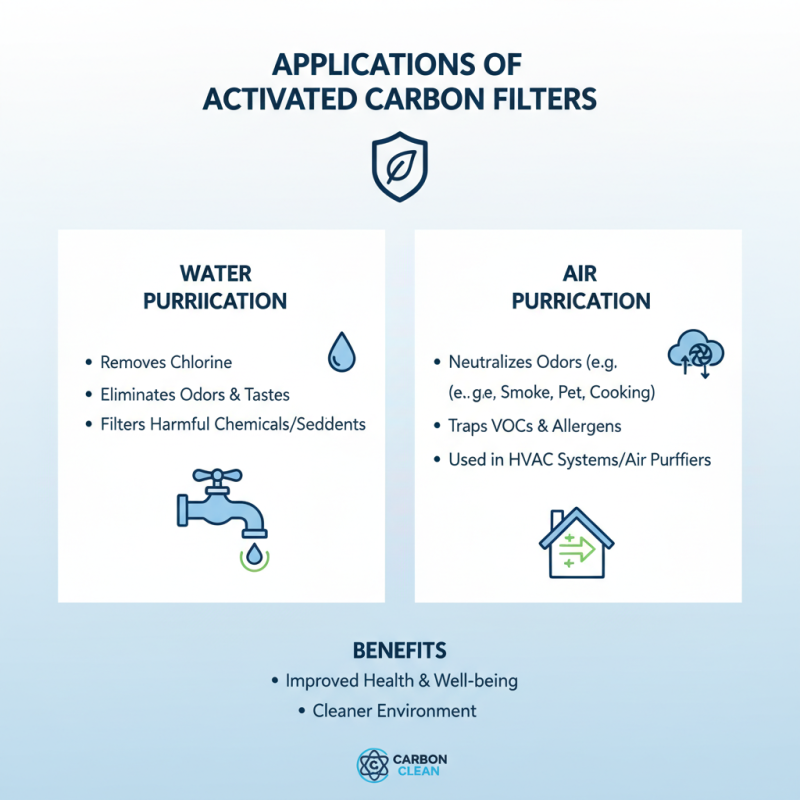
Activated carbon filters find numerous applications across various industries. They are essential in air and water purification processes. In homes, these filters effectively remove odors and harmful chemicals. Many households utilize them in their HVAC systems. These systems improve indoor air quality, creating a healthier living environment.
In industrial settings, activated carbon filters serve a critical role in managing waste. They absorb volatile organic compounds (VOCs) that may be harmful. Factories and chemical plants often rely on these filters to minimize air pollution. In addition, water treatment plants use activated carbon to eliminate chlorine and other contaminants. This process ensures safer drinking water for communities.
While activated carbon filters are effective, they have limitations. Over time, they may become saturated and require replacement. Users must be mindful of this to maintain efficiency. Understanding the needs of specific applications is crucial. Simply installing a filter does not guarantee optimal performance. Regular maintenance and monitoring are necessary for achieving the best results.
Benefits and Limitations of Using Activated Carbon Filters
Activated carbon filters are widely used for air and water purification. They work through adsorption, where contaminants adhere to the carbon surface. This process is effective for removing bad odors, volatile organic compounds, and chlorine from water. However, these filters have both benefits and limitations.
One significant benefit is their ability to enhance the taste of drinking water. Contaminants are trapped, leading to cleaner and fresher water. Additionally, activated carbon can reduce harmful chemicals, making environments safer. However, users should be aware that these filters require regular replacement. Over time, they may become saturated and lose effectiveness. This could lead to a false sense of security about water purity.
Another limitation is their inability to remove all types of contaminants. Heavy metals and certain microorganisms are not filtered effectively. This can be problematic, especially in areas with high pollution levels. Regular testing may be necessary to ensure effectiveness, but many consumers overlook this step. Being informed about both benefits and limitations helps individuals make better choices regarding filtration systems.
What is Activated Carbon Filter and How Does it Work? - Benefits and Limitations of Using Activated Carbon Filters
| Dimension |
Details |
| Type of Filter |
Activated Carbon Filter |
| Medium Used |
Charcoal with high surface area |
| Common Applications |
Water purification, air filtration, gas separation |
| Primary Mechanism |
Adsorption of pollutants |
| Benefits |
Effective removal of odors, chlorine, VOCs |
| Limitations |
Limited effectiveness on certain contaminants, requires frequent replacement |
| Lifespan |
Typically 3 to 6 months, depending on usage |
| Environmental Impact |
Generally considered eco-friendly; requires proper disposal |