2026 How to Use Complete Ro Machine for Pure Water Solutions?
In today's world, access to pure water has become a necessity rather than a luxury. The increasing demand for clean water is driven by rapid urbanization and industrial growth. Reports estimate that over 2 billion people will face water scarcity by 2025. The Complete RO Machine offers a reliable solution for purifying water, addressing both residential and industrial needs.
Using advanced reverse osmosis technology, the Complete RO Machine effectively filters contaminants. It removes up to 99% of impurities, ensuring safe drinking water. This technology meets stringent guidelines set by organizations like the World Health Organization. However, many users remain unaware of the optimal operational practices for these systems. Proper maintenance and regular monitoring are crucial for maximizing efficiency.
While the benefits are clear, challenges exist. Users may encounter issues like reduced flow rates or membrane fouling, requiring attention. Understanding these factors is essential for ensuring system longevity. The Complete RO Machine represents a crucial step towards achieving pure water solutions, but awareness and education must accompany its use. By addressing common pitfalls, users can fully harness the potential of this technology.
Understanding Reverse Osmosis and Its Importance in Water Purification
Reverse osmosis (RO) plays a crucial role in water purification. This method effectively removes contaminants from water, making it safe for consumption. It works by pushing water through a semipermeable membrane. This membrane allows only clean water molecules to pass while blocking larger particles. The result is pure water that is free from harmful substances.
Understanding the significance of RO is essential. Many sources of tap water contain impurities, such as salts, metals, and chemicals. These contaminants can pose health risks over time. RO systems not only enhance water quality but also improve taste. However, it's important to maintain the system regularly. Neglecting maintenance can lead to reduced effectiveness and costly repairs.
While RO systems are beneficial, they are not without drawbacks. They waste some water in the filtration process. Users should consider this aspect when planning installation. An informed decision involves understanding both the advantages and limitations of the technology. Taking the time to evaluate options can lead to better water quality and overall satisfaction.
Components of a Complete RO Machine: A Detailed Overview
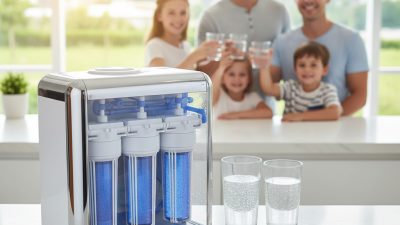
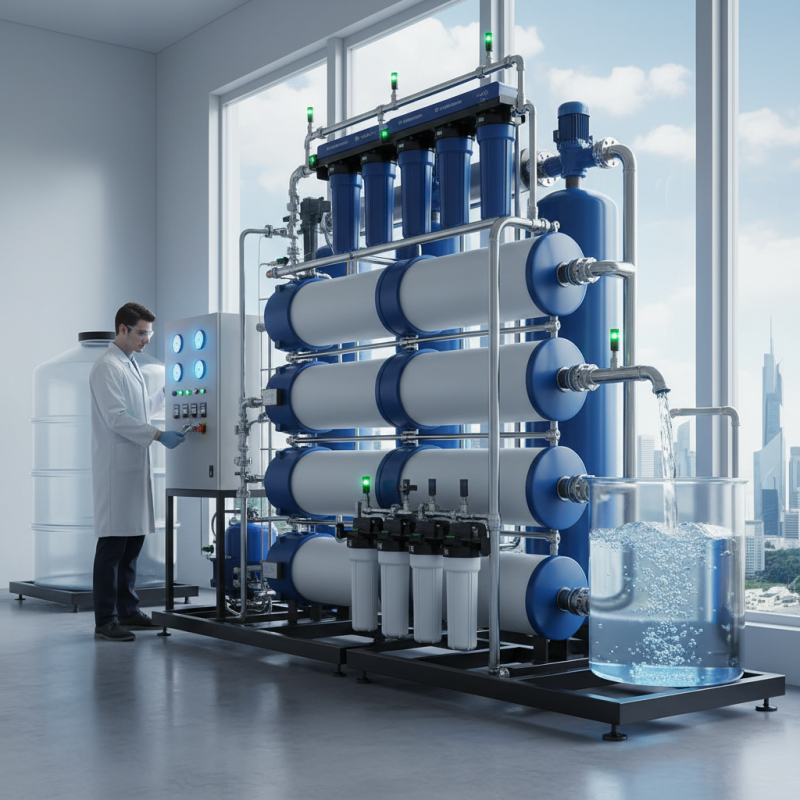
Reverse osmosis (RO) machines are essential for producing pure water. Understanding the components of a complete RO machine is crucial for optimizing water purification. Typically, a complete RO system consists of five key components: pre-filters, RO membrane, post-filters, storage tank, and a dispensing faucet. Each component plays a vital role in ensuring water quality.
Pre-filters remove larger particles and chlorine from the water. This step protects the RO membrane, which is the heart of the system. Research indicates that RO membranes can last 2-5 years with proper maintenance. Post-filters further enhance water taste and quality. A dedicated storage tank allows water to be readily available for use.
Here are some tips for effective maintenance: Replace pre-filters every 6-12 months. Regularly check the pressure of the storage tank to ensure efficient operation. Monitor the life of the RO membrane by testing water quality every few months.
Water quality in many areas can be poor. In fact, about 2 billion people lack access to safely managed drinking water services. This highlights the significance of using complete RO systems effectively. However, some users may overlook regular maintenance, leading to subpar water quality and reduced system lifespan. Proper care is essential for the longevity and efficiency of your RO system.
Components of a Complete RO Machine: Water Purity Levels
Step-by-Step Guide to Setting Up a Complete RO Machine
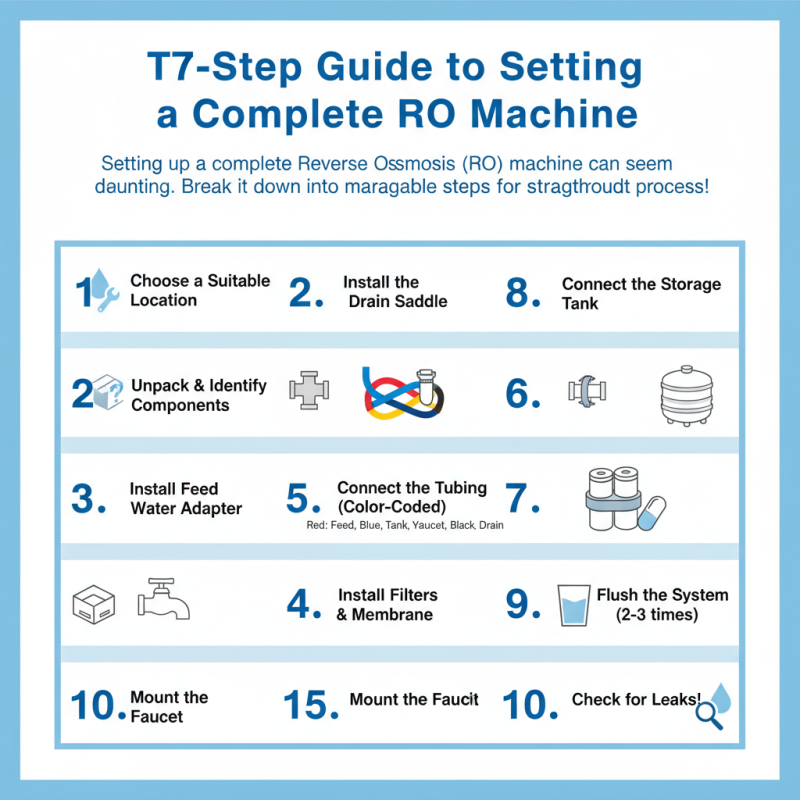
Setting up a complete RO (Reverse Osmosis) machine can seem daunting. However, breaking it down into manageable steps makes the process straightforward. Begin by finding a suitable location. Ensure it has proper drainage and easy access to water supply. Install the machine according to the manual, paying close attention to pipe connections. Incorrect connections can lead to leaks or inefficiency.
After the setup, it's crucial to flush the system. This step helps remove any contaminants or debris that might interfere with the filtration process. Run the system for a few minutes before using the purified water. This simple practice can significantly improve the water quality you receive.
Tips: Always check the water pressure before installation. Low water pressure can affect the performance. Regularly monitor the filters and replace them as needed. It’s easy to forget this step, but neglecting it can result in subpar water quality. Lastly, remember that even small adjustments in the setup can enhance overall efficiency. Take the time to reflect on your choices and learn from any missteps.
Maintaining Your RO Machine for Optimal Performance and Water Quality
An RO machine can provide high-quality pure water. To achieve this, regular maintenance is crucial. A clean system will significantly enhance the quality of water produced. Examine the filters often; replace them when necessary. Dirty filters lead to poor performance and contaminated output.
Also, checking the membrane is essential. The membrane experiences wear over time. If you notice a drop in water pressure or quality, it may need replacement. A skilled technician should perform this task. Keep an eye on the storage tank as well. Ensure it is sanitized regularly to prevent bacterial growth.
Keep records of maintenance routines. This can help identify patterns or recurring issues. It might not be easy at times, but every effort counts. Make it a habit to review water quality regularly. This helps ensure your RO machine performs effectively. Remember, neglect can lead to problems down the line.
2026 How to Use Complete Ro Machine for Pure Water Solutions
| Aspect |
Details |
| Water Source |
Tap Water, Well Water, or Surface Water |
| Pre-Filtration Type |
Sediment Filter, Carbon Filter |
| RO Membrane Type |
Thin Film Composite Membrane |
| Maintenance Frequency |
Every 6-12 Months |
| Common Issues |
Low Pressure, Leaks, Membrane Fouling |
| Water Quality Parameters |
TDS < 50 ppm, Conductivity < 100 µS/cm |
| Post-Filtration Options |
UV Purification, Mineralization Filter |
| Troubleshooting Tips |
Check Pressure, Inspect Fittings, Replace Filters |
Troubleshooting Common Issues with Reverse Osmosis Systems
Reverse osmosis (RO) systems are invaluable for producing pure water. However, they can encounter common issues that disrupt their effectiveness. Understanding these problems is key to maintaining your system.
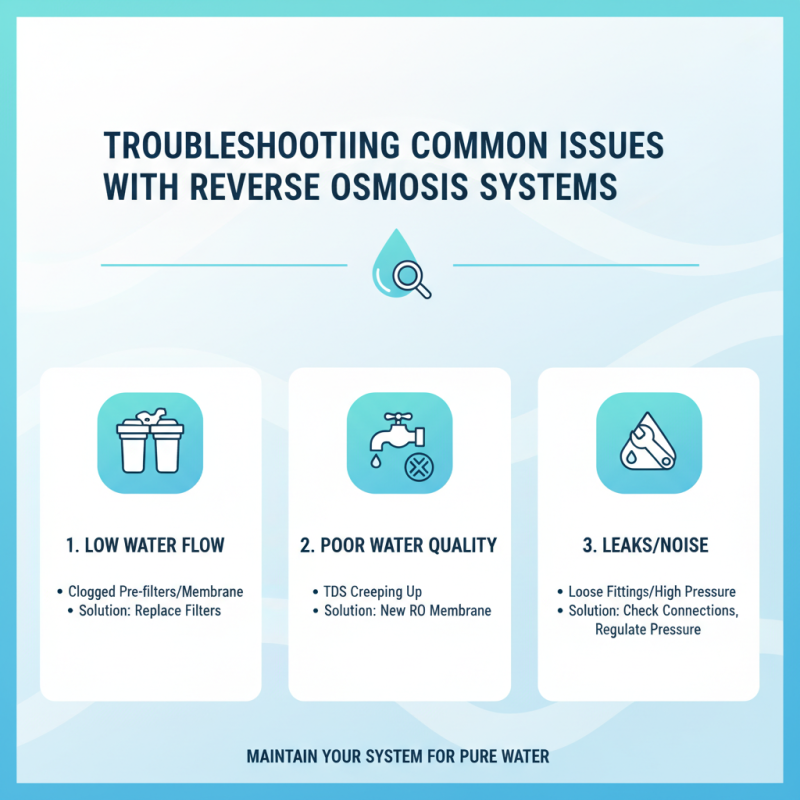
One typical issue is low water pressure. This can result in slow filtration or no water production at all. Check your source water pressure; it should ideally be between 40 and 100 psi. If the pressure is insufficient, consider installing a booster pump to enhance performance.
Membrane fouling is another frequent challenge. This occurs when contaminants build up on the membrane surface. Regular cleaning can prevent this. Use a gentle cleaning solution recommended for RO systems. However, if fouling persists, it may be necessary to replace the membrane.
**Tips:** Always monitor your system's pressure and flow rates. Keep an eye on the filter and membrane condition. Regular maintenance can save you from costly repairs or replacements down the road. It can be easy to overlook these tasks, but they are crucial for long-term functionality. Stay vigilant and proactive to ensure your RO system operates at its best.