2026 Top Purified Water System Innovations and Trends to Watch?
As we approach 2026, the landscape of the Purified Water System industry is evolving rapidly. Experts predict significant innovations and emerging trends that could redefine how we access clean water. James Beck, a leading figure in water purification technology, states, "The future of purified water systems lies in sustainability and efficiency." This insight highlights the pressing need for systems that not only purify water but also minimize environmental impact.
In recent years, the demand for advanced Purified Water Systems has surged. Consumers are becoming increasingly aware of health and safety. There are growing concerns about contaminants in drinking water. Innovations in filtration technology and real-time monitoring are crucial. They promise to enhance the quality and reliability of purified water.
Despite these advancements, challenges remain. Not all systems are accessible or affordable. Some consumers still rely on outdated technologies. The industry must address these gaps to ensure that all communities have access to safe, purified water. As we watch these trends unfold, we must reflect on our priorities and the value we place on clean water accessibility.
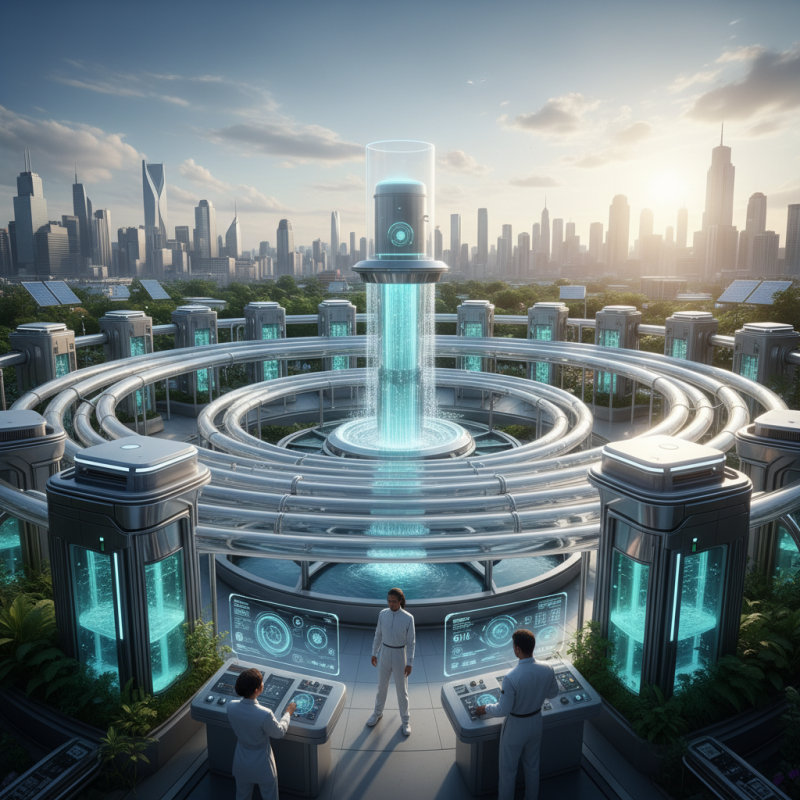
Innovative Filtration Technologies Transforming Purified Water Systems
The landscape of purified water systems is evolving rapidly. Innovative filtration technologies are at the forefront of this transformation. Membrane filtration methods are gaining traction, offering greater efficiency and reliability. These systems can remove contaminants at a microscopic level, ensuring high-quality water.
Another breakthrough is the use of ultraviolet (UV) light for disinfection. This method boasts a chemical-free approach, which is especially appealing to environmentally conscious consumers. However, UV systems must maintain precise operational conditions. Consistent maintenance can be a challenge, and awareness about its limitations is essential.
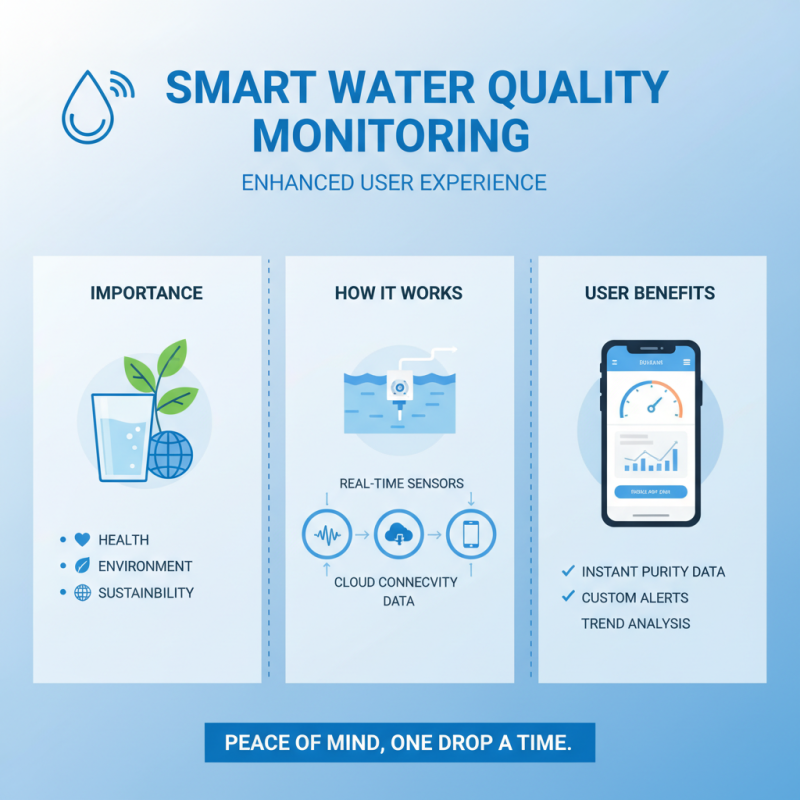
Additionally, smart water filtration tech is emerging. Sensors and IoT integrations allow real-time monitoring of water quality. While this is an impressive advancement, the data can be overwhelming. Users may struggle to interpret real-time results. Striking a balance between innovation and usability is crucial for these technologies to succeed.
2026 Top Purified Water System Innovations and Trends
Sustainable Materials and Energy Efficiency in Water Purification
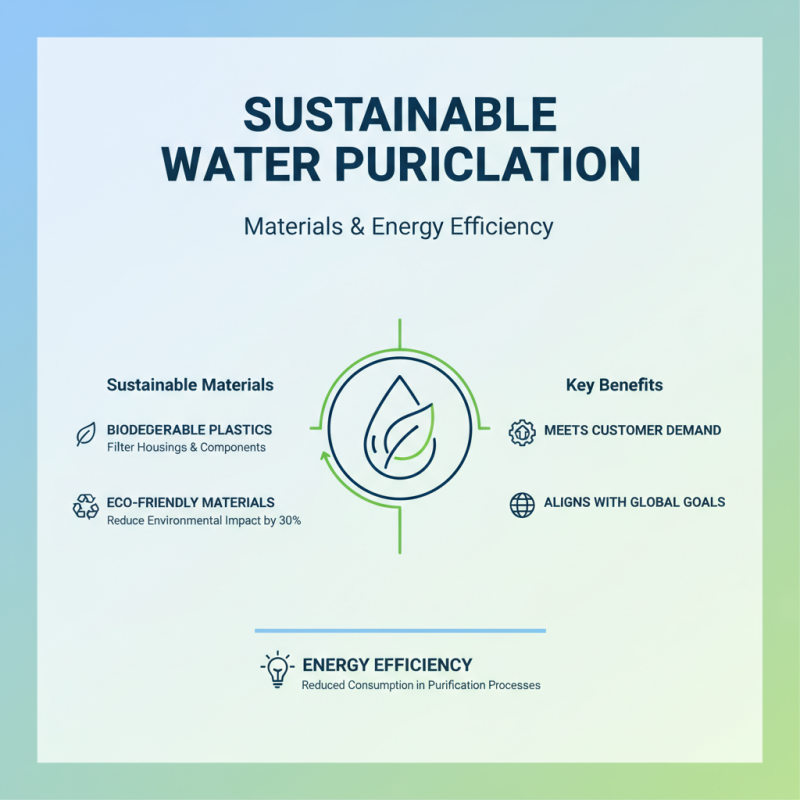
The water purification industry is evolving rapidly. One major trend is the push towards sustainable materials. Many companies are investing in biodegradable plastics for filter housings and components. For instance, a recent report notes that the use of eco-friendly materials could reduce environmental impact by up to 30%. This shift not only meets customer demand for sustainable products but also aligns with global environmental goals.
Energy efficiency is equally crucial. Advanced purification systems now utilize innovative methods such as solar energy and energy recovery technologies. According to industry studies, these systems can reduce energy consumption by 40% compared to traditional methods. However, not all companies are making these changes. Some continue to rely on older technologies that harm their efficiency ratings. This inconsistency reflects a gap in the market that needs addressing.
Moreover, the challenge of sourcing sustainable materials remains. Companies face difficulties in balancing cost and environmental impact. While some claim to prioritize sustainability, actual implementations often fall short. The contradiction between intention and execution is evident in many operations. More transparency in this space could enhance industry credibility and drive true innovation.
Emerging Trends in DIY Home Water Purification Solutions
As the demand for clean drinking water continues to rise, DIY home water purification solutions are gaining popularity. Many homeowners are exploring various methods to ensure their water is safe. This trend reflects a growing awareness of water quality issues.
Common DIY methods include activated carbon filtration and UV sterilization. Activated carbon filters are simple and affordable. However, they may not remove all contaminants effectively. UV sterilization can eliminate bacteria but requires careful attention. Many users struggle with proper device placement and power requirements. These challenges highlight the need for reliable information before proceeding.
Emerging technologies offer exciting possibilities. For instance, solar-powered purifiers are gaining traction. They are eco-friendly and cost-effective. But, users must consider weather conditions and sunlight availability. This can limit the effectiveness in certain areas. Engaging with local water quality resources can ensure more informed decisions.
The Role of IoT and AI in Future Purified Water Systems
The integration of IoT and AI is transforming the purified water industry. According to a report by MarketsandMarkets, the IoT in water treatment market is predicted to exceed $14 billion by 2026. This growth emphasizes the increasing reliance on smart technologies for efficient water purification.
IoT sensors collect real-time data, ensuring optimal water quality and system performance.
AI further enhances these systems by analyzing data patterns to predict failures and optimize operations. For instance, predictive maintenance can reduce downtime by 25%. However, not all implementations have been seamless. Many systems still struggle with data integration and retention, leading to unreliable insights.
Despite the promise of these technologies, challenges remain. AI algorithms require vast amounts of data to function effectively. In smaller installations, this can be a hurdle. Real-time analytics might not always translate into actionable insights. The ongoing adjustments of these systems demand constant refinement. This evolving landscape poses questions about accountability and transparency in water quality management.