Top Alkaline Water Machines for Healthy Living in 2026?
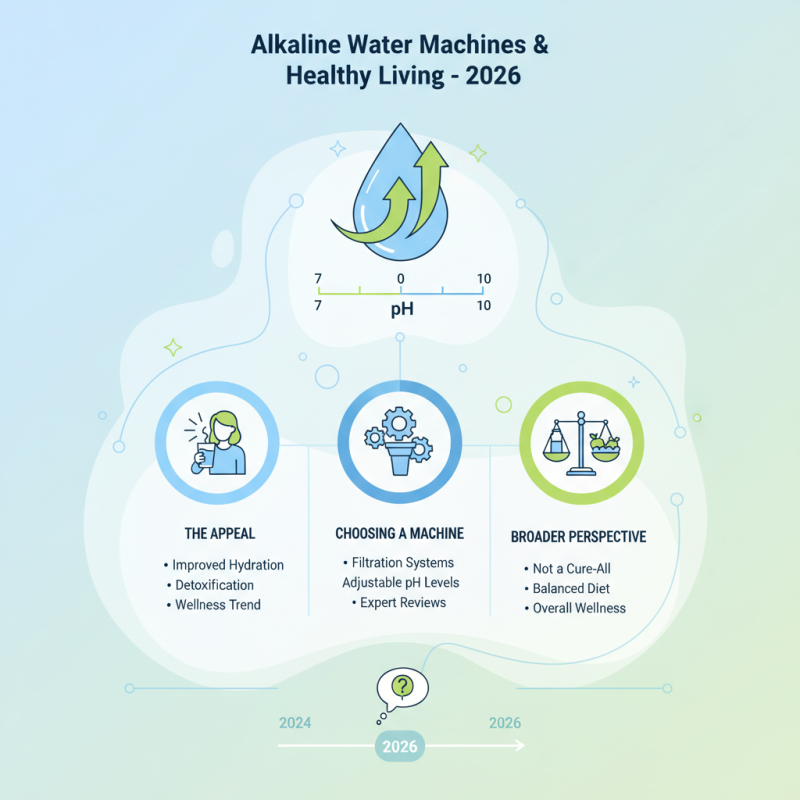
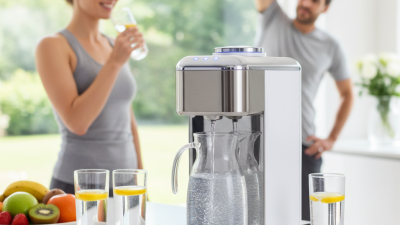
In recent years, the popularity of Alkaline Water Machines has surged. Many people seek healthier lifestyles, aiming to improve their well-being. These machines promise various benefits, including better hydration and detoxification. However, not all devices are created equal.
Understanding the features of an Alkaline Water Machine is crucial. Different machines offer varying filtration systems and pH levels. It can be overwhelming to choose the right one. Consumers should pay attention to certifications and expert reviews to ensure quality.
Yet, it is essential to reflect on the broader picture. While alkaline water may provide benefits, it is not a cure-all. Relying solely on such machines might lead to disappointment. Balancing water intake with a healthy diet remains vital for overall wellness.
Top Alkaline Water Machines: An Overview of 2026 Trends
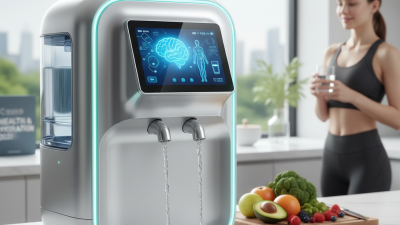
In 2026, the trends for alkaline water machines reflect the growing interest in health and sustainable living. More consumers are prioritizing hydration solutions that offer enhanced pH levels. These machines are designed to optimize water quality, increasing ionization for better taste and benefits. Many homeowners are integrating these systems into their kitchens, making healthy water more accessible.
Research indicates that alkaline water may support hydration and digestion. Users report feeling more energized after regular consumption. However, there are ongoing debates regarding the long-term effects. Some experts urge caution, suggesting that overconsumption might disrupt natural body pH levels. This highlights the importance of balanced hydration habits.
Designs of alkaline water machines are becoming more user-friendly. Many models now feature digital displays and automatic settings for convenience. Yet, the learning curve can be steep for some users. An effective setup may require patience and trial and error. Understanding how to alkalinize water effectively is crucial for reaping the potential benefits.
Top Alkaline Water Machines Trends in 2026
Key Features to Consider When Choosing an Alkaline Water Machine
When choosing an alkaline water machine, several key features play a significant role.
Filtration systems are crucial. They determine water quality before alkalization.
According to a report by the Water Quality Association, 40% of households face water quality issues. A reliable filtration system can significantly reduce contaminants.
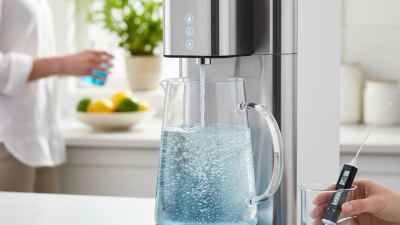
pH level adjustment is another essential feature. Many machines offer a range of pH settings.
Optimal alkaline water typically falls between pH 8 and 9.5.
However, some studies suggest that drinking water above pH 10 may lead to digestive issues.
It's vital to find a balance that suits individual health needs.
Flow rate is yet another consideration. Machines with higher flow rates provide convenience.
Consumers prefer products that deliver water quickly, fitting their busy lifestyles.
But a higher flow rate may compromise filtration effectiveness. Users need to reflect on their habits and prioritize what matters most.
Reliable reviews and industry assessments should guide these choices.
Health Benefits of Drinking Alkaline Water: What the Research Shows
Research indicates that alkaline water may offer several health benefits. A study published in the Journal of the International Society of Sports Nutrition found that athletes who consumed alkaline water had reduced blood viscosity. This suggests better hydration and improved endurance during physical activities. By enhancing hydration, alkaline water may support overall athletic performance and recovery.
Another study analyzed the effects of alkaline water on acid reflux. Participants reported significant relief from symptoms after two weeks of drinking alkaline water. The pH level in alkaline water helps neutralize stomach acid, which can alleviate discomfort. However, individual responses vary. Some people may not experience noticeable changes. It’s essential to consider one’s unique health situation before making dietary changes.
While the benefits are promising, not all research is conclusive. Some studies question the effectiveness of alkaline water. It’s crucial to stay informed and consult health professionals. Hydration is vital, but the source of water should not overshadow balanced nutrition. The journey toward better health is complex, and alkaline water can be part of it but not a magic solution.
Comparative Analysis of Leading Alkaline Water Machines in 2026
When exploring the landscape of alkaline water machines in 2026, it's clear that a variety of options exist. These machines promise to enhance water quality and promote better health. Each device varies in features, including filtration processes, pH levels, and ease of use. Some models offer advanced filtration systems that remove pollutants effectively. Others focus on increasing the alkaline content, which may appeal to health enthusiasts.
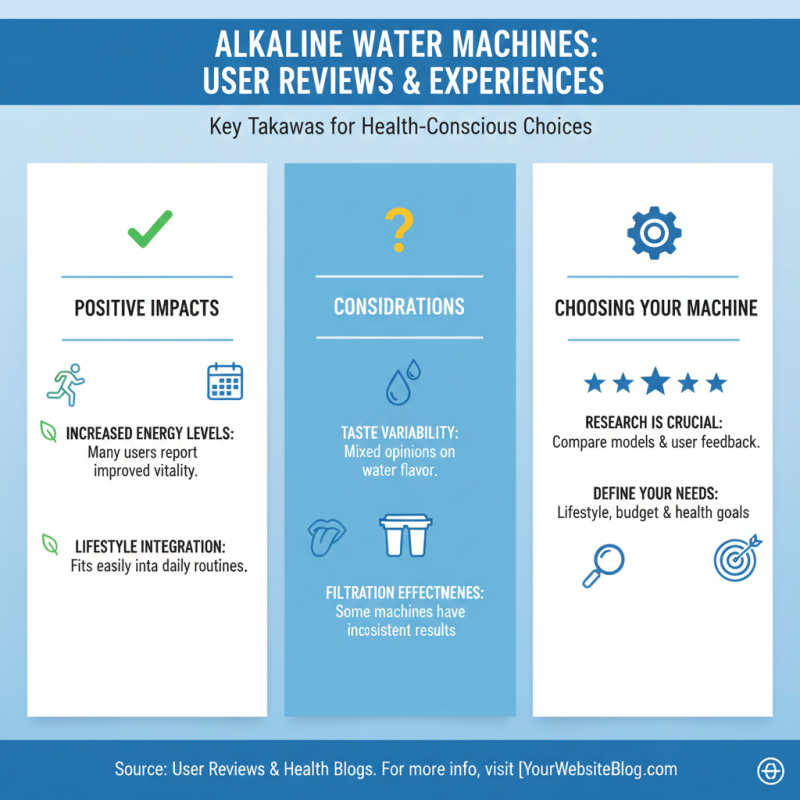
Performance varies significantly among alkaline water machines. While some users report improved hydration and energy levels, others have experienced mixed results. The effectiveness often depends on the individual's health needs and dietary habits. It’s essential to consider how well a device fits personal lifestyle choices. Additionally, many machines come with user-friendly interfaces, making it easier for anyone to operate.
While many brands claim superiority, the reality may differ. It's critical to look at user reviews and expert opinions. Some devices may promise too much and under-deliver. The market is filled with options that require careful consideration. Understanding the science behind alkaline water can help in making informed decisions. Researching and comparing specifications is vital to find the best fit.
Top Alkaline Water Machines for Healthy Living in 2026
| Model |
pH Level Range |
Filtration System |
Water Output (L/Day) |
Price ($) |
| Model A |
8.5 - 9.5 |
5-stage filtration |
50 |
299 |
| Model B |
7.0 - 9.0 |
7-stage filtration |
60 |
450 |
| Model C |
8.0 - 10.0 |
6-stage filtration |
70 |
399 |
| Model D |
7.5 - 9.5 |
5-stage filtration |
40 |
250 |