10 Essential Tips for Choosing the Best Purified Water System?
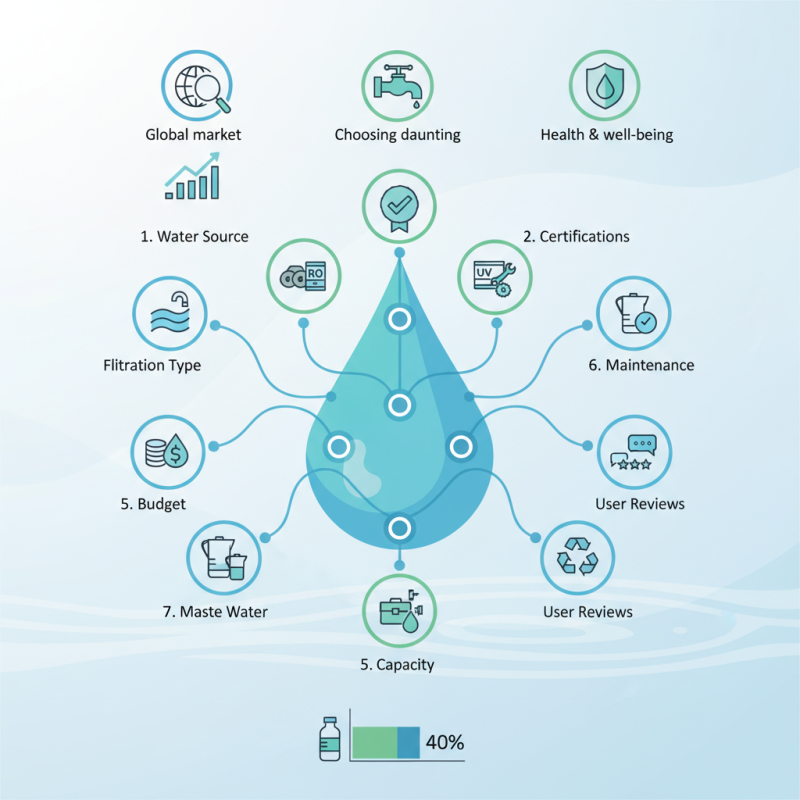
In today's world, access to clean drinking water is crucial. The global market for purified water systems is projected to reach $29.3 billion by 2027, according to industry forecasts. This growing demand highlights the importance of selecting the right purified water system for your needs.
Choosing the best purified water system can be daunting. Many factors influence your decision, such as water quality, filtration methods, and system maintenance. A detailed study revealed that 40% of households rely solely on bottled water, often without understanding the alternatives available.
The right purified water system is essential for health and well-being. Poor water quality can lead to serious health issues. Contaminated water can harbor pollutants that affect everyone, especially vulnerable populations. Making an informed choice can significantly enhance the safety of your drinking water.
Factors to Consider When Choosing a Purified Water System
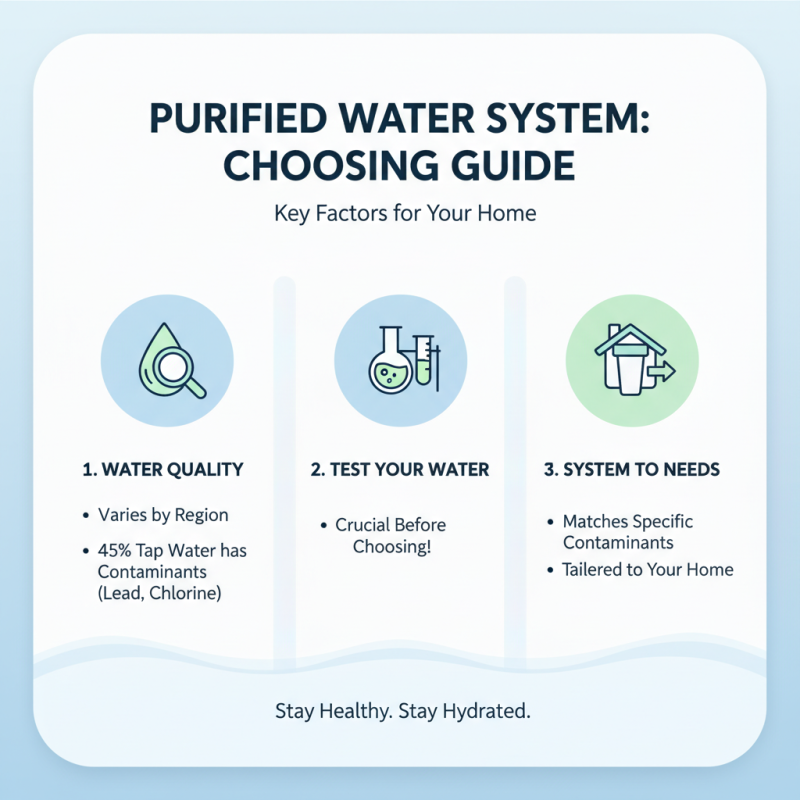
When choosing a purified water system, several factors are critical. Water quality varies widely across regions. A recent study showed that nearly 45% of tap water contains contaminants like lead and chlorine. It's essential to test your water before making a choice. This will guide you toward a system that meets your specific needs.
Consider the system's purification method. Common technologies include reverse osmosis and UV sterilization. Each method has different strengths. For instance, reverse osmosis can remove a wide range of contaminants but may waste water during the process. The effectiveness of UV systems relies on proper maintenance.
Think about the system's capacity and flow rate. A family of four might need a higher capacity than a single person. Look for systems that can deliver enough purified water without lag. Also, consider maintenance costs. It’s important to check for replacement filter prices, as ongoing costs can add up. Choosing the right purified water system is not just about price; it's about ensuring your family's health and safety.
Types of Purified Water Systems and Their Features
When selecting a purified water system, understanding the types available is crucial. Common types include reverse osmosis, activated carbon filters, and UV purification. Reverse osmosis systems remove up to 99% of contaminants, making them highly effective. Activated carbon filters excel in improving taste and odor but may not eliminate all pollutants. UV systems, on the other hand, target bacteria and viruses, providing a different layer of safety.
Tip: Always assess the water quality in your area. Some regions have higher levels of contaminants than others. Knowing this can help guide your choice. A system that works in one location may not be suitable elsewhere.
Features to consider include capacity, flow rate, and maintenance needs. Larger families may require systems with higher capacities, while individuals might opt for compact models. Regular maintenance is essential for sustained performance. A system may seem flawless, yet it could require more effort than expected.
Tip: Look for user reviews and expert opinions. They often highlight potential shortcomings. Be prepared for the possibility that some systems may not meet all your expectations. Above all, focus on what best suits your daily water needs. This choice profoundly impacts your health and hydration.
Comparison of Purified Water Systems
Evaluating the Filtration Technology Used in Water Systems
Choosing the right purified water system can feel overwhelming.
Filtration technology plays a crucial role. Understanding the differences is essential.
Reverse osmosis is common. It removes many harmful contaminants, but it doesn’t eliminate everything.
Some systems may not address chlorine. Look for additional filtration methods.
Activated carbon can improve taste and odor. Make sure it fits your needs.
Consider how often you will maintain the system. Some filters need replacement every few months.
Others last longer but might be pricier. You want something accessible yet efficient.
Research the longevity of different technologies.
Sometimes, the cheaper option may lead to more problems down the line.
Evaluate the energy consumption as well. Energy-efficient systems can save you money.
But, these may have a higher initial cost. Think about your budget and long-term plans.
It’s not just about the purchase price. Reflect on what matters most to you.
Assessing Maintenance and Operating Costs of Water Systems
When choosing a purified water system, assessing maintenance and operating costs is crucial. Regular maintenance can significantly impact your overall expenses. According to a 2021 industry report, the average annual maintenance cost for a water purification system ranges from $100 to $500. This variation depends on the system type and usage. For example, reverse osmosis systems may require more frequent filter changes, increasing costs.
Operating costs also need careful examination. Energy consumption plays a role in long-term costs. A standard purification system could consume between 30 to 60 kWh annually, impacting your utility bills. Some systems may boast lower energy needs, but always compare on a case-by-case basis. Remember that hidden expenses, such as replacement parts, can add up. Often, users overlook these factors, thinking initial purchase prices reflect the total cost of ownership.
Consider lifespan as well. Some filtration systems may last longer than others but require more frequent service. A short lifespan means higher costs over time. As reported by the Water Quality Association, over 50% of consumers do not consider these factors before making a purchase. This oversight can lead to significant surprises down the road. Always reflect on your practical needs and future expenses when assessing options.
Understanding Certifications and Standards for Purified Water Systems
When selecting a purified water system, it's crucial to understand certifications and standards. Look for systems that comply with authoritative guidelines. The NSF International and the Water Quality Association are two respected organizations. They ensure products meet safety and performance criteria. Check if the system has been tested in certified labs. This adds credibility to its claims.
Consider the type of purification method used. Reverse osmosis and activated carbon are popular options. They effectively remove contaminants. However, be aware that some systems may not eliminate all harmful substances. Research each method's effectiveness based on your water quality. Not all systems are equal, and some may leave unwanted residues.
Think about your water source and the specific contaminants you want to address. Do you have hard water? Is chlorine a concern? Each system targets different impurities and may vary in performance. Reading user reviews can provide insight into real-world effectiveness. Balance the cost against the system’s ability to deliver clean, safe water. This decision affects your family’s health.