How to Choose the Best Activated Carbon Filter for Your Home
Choosing the right Activated Carbon Filter for your home is crucial. Most homeowners often overlook the importance of air quality. In fact, studies show that indoor air can be up to five times more polluted than outdoor air. This alarming data emphasizes the need for effective filtration, which activated carbon filters provide.
Dr. Emily Carter, a leading expert in environmental safety, states, "A quality Activated Carbon Filter can significantly reduce harmful pollutants in your living space." This highlights the importance of selecting the right filter. These filters are designed to capture odors, volatile organic compounds (VOCs), and other harmful particles. However, not all products are created equal.
When exploring options, consider factors such as filter grade, adsorption capacity, and product lifespan. It's essential to reflect on your specific needs. A higher price doesn’t always guarantee better performance. Some filters may not fit well in your current system. Finding the best Activated Carbon Filter is not just a matter of picking a product off the shelf; it requires thoughtful consideration and research.
Factors to Consider When Selecting an Activated Carbon Filter
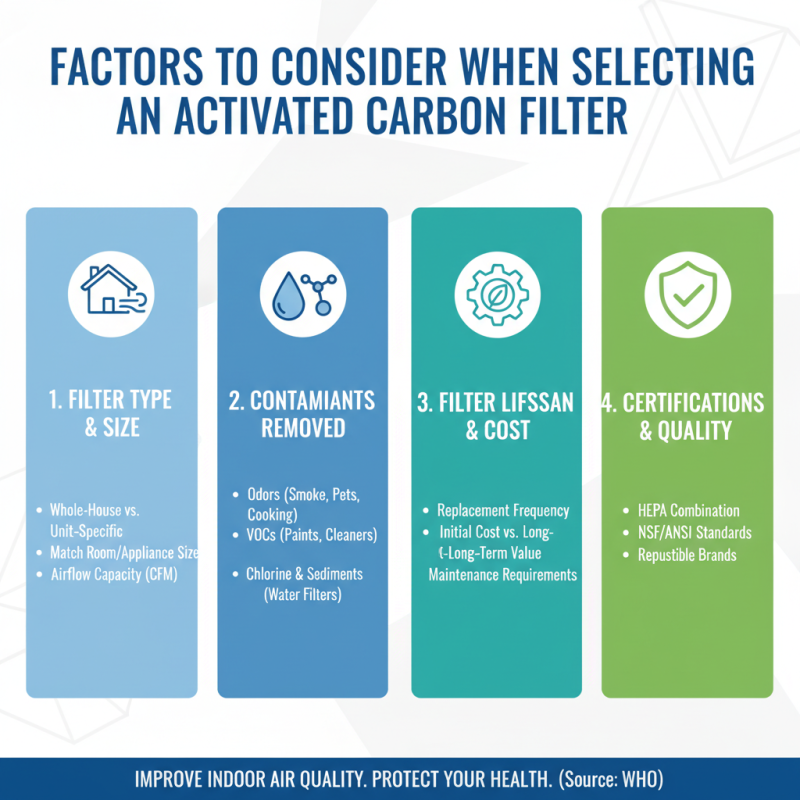
When selecting an activated carbon filter for home use, several key factors must be considered. These filters are effective for removing odors, volatile organic compounds (VOCs), and certain contaminants. According to the World Health Organization, poor indoor air quality can lead to various health issues. Therefore, investing in a good filter is critical.
One important aspect is the filter's size. A filter that is too small may not capture enough contaminants, reducing its effectiveness. A study by the Environmental Protection Agency revealed that properly sized filters can improve indoor air quality by up to 60%. Additionally, consider the type of carbon used. Coconut shell carbon is often preferred due to its high adsorption capacity.
Another factor to ponder is the lifespan of the filter. Regular replacements are necessary for optimal performance. Neglecting to change a filter can lead to increased airborne pollutants. Data from the American Lung Association indicates that older filters can release trapped contaminants back into the air. Therefore, understanding the specifics of carbon filters can help make an informed choice.
Types of Activated Carbon Filters Available for Home Use
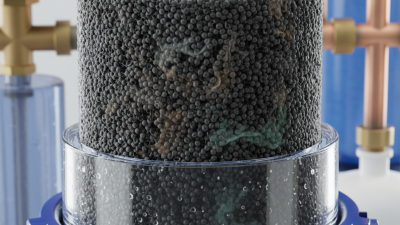
Activated carbon filters are designed for various applications in the home. Understanding the types available can help ensure effective air and water purification. These filters operate by adsorbing impurities and contaminants through their porous structure.
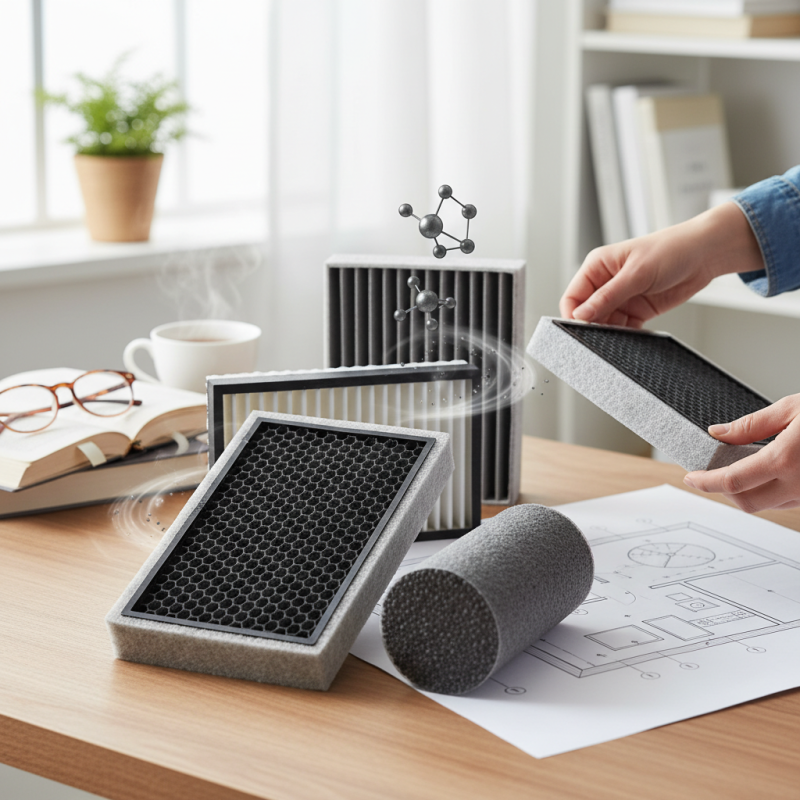
The two main types of activated carbon filters are granular activated carbon (GAC) and block activated carbon (BAC) filters. GAC filters excel in removing larger particles. They also absorb volatile organic compounds (VOCs), which can be harmful. Studies indicate that GAC filters can reduce VOC levels by up to 85%. On the other hand, BAC filters are denser and catch smaller contaminants more effectively. Their structure allows for increased surface area, addressing finer particles and chemicals.
In addition, combination filters are becoming more popular. These products blend activated carbon with other filtration methods. They can target both large and small contaminants, enhancing overall efficacy. However, the complexity of a combination filter may require regular maintenance that users may overlook. Without proper upkeep, their effectiveness diminishes over time. Opting for the right filter requires assessing household needs, such as the type of pollutants present. This choice should also consider maintenance capabilities and the filter's lifespan.
How to Choose the Best Activated Carbon Filter for Your Home
Understanding the Filtration Process of Activated Carbon
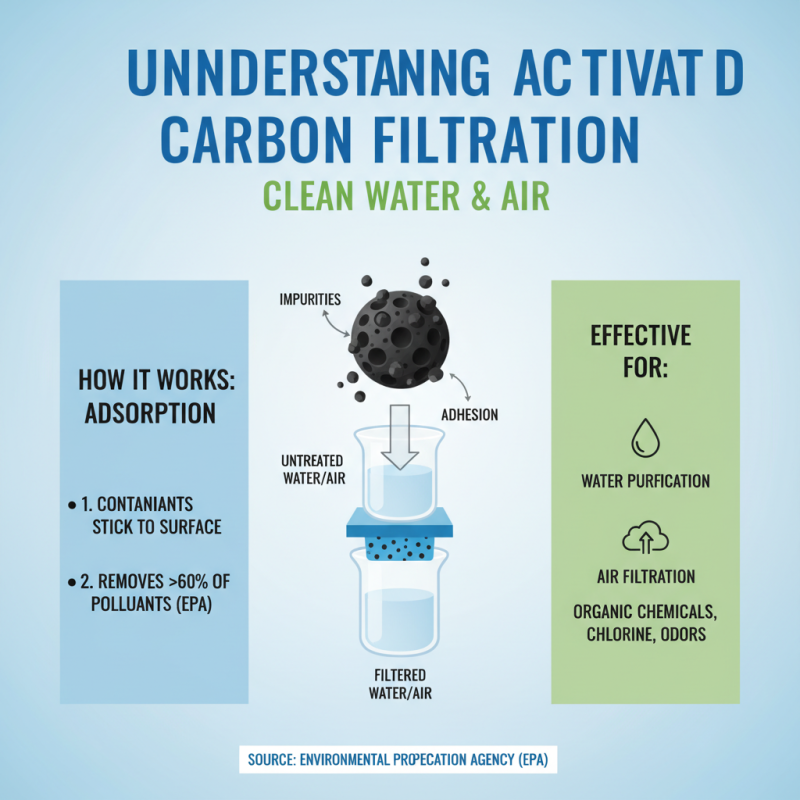
Activated carbon filters are effective in removing impurities from water and air. The filtration process primarily involves adsorption. This mechanism allows contaminants to adhere to the surface of the activated carbon. A report from the Environmental Protection Agency (EPA) indicates that activated carbon can remove over 60% of certain pollutants.
The structure of activated carbon consists of numerous tiny pores, which increase its surface area. With a surface area of up to 3,000 square meters per gram, it has a remarkable ability to trap contaminants. However, the efficiency can vary based on the type of carbon used and the nature of the contaminants. Some studies suggest that it may not remove all types of chemicals effectively, particularly certain pesticides.
Regular replacement of the carbon filter is essential for optimal performance. As the carbon becomes saturated, its ability to adsorb decreases significantly. A 2021 study noted that a neglected filter could become a breeding ground for bacteria, potentially introducing new contaminants. Understanding these nuances can aid in choosing the right filter for your needs.
Evaluating Filter Efficiency and Replacement Frequency
When evaluating activated carbon filters for home use, filter efficiency is paramount. The efficiency of these filters is often measured by their ability to remove specific pollutants, such as volatile organic compounds (VOCs) and odors. Studies indicate that high-quality activated carbon filters can remove up to 90% of VOCs from indoor air. This significant reduction improves air quality and contributes to a healthier living environment.
Replacement frequency is another critical aspect to consider. Most manufacturers recommend changing activated carbon filters every 3 to 6 months, depending on usage and exposure levels. Filters in high-traffic areas or homes with pets may need more frequent replacement. According to a report by the Environmental Protection Agency (EPA), stale filters can lead to a resurgence of pollutants in your home.
Tips: Observe any changes in air quality or noticeable odors. This can signal the need for a replacement. Consider using a filter with a built-in indicator for convenience. Keep in mind that not all filters are created equal; some may contain additives that could affect performance. Regularly checking and maintaining your filter ensures optimal efficiency.
How to Choose the Best Activated Carbon Filter for Your Home - Evaluating Filter Efficiency and Replacement Frequency
| Filter Type |
Efficiency (%) |
Replacement Frequency (Months) |
Cost ($) |
| Granular Activated Carbon (GAC) |
90% |
6 |
30 |
| Carbon Block Filter |
95% |
12 |
45 |
| Activated Carbon Mesh |
85% |
3 |
25 |
| Activated Carbon Granule |
88% |
4 |
35 |
| Composite Carbon Filter |
93% |
9 |
50 |
Comparing Costs and Brands of Activated Carbon Filters
When selecting an activated carbon filter, understanding the cost and brand options is crucial. A study by the Environmental Protection Agency indicates that high-quality activated carbon filters can range from $30 to $400. Prices depend on their capacity and filtration technology. Basic filters may suffice for small spaces, while larger setups are essential for bigger homes.
Brand reputation plays a significant role in purchasing decisions. According to a report from Home Air Quality, filters with third-party certifications often perform better and offer reliable data to consumers. Consumers should look for filters that meet ANSI/NSF standards. Many brands can create confusion due to varying claims about performance. Research and reviews are vital, as not all filters deliver on their promises.
Moreover, initial costs may not reflect long-term value. Some cheaper options require frequent replacements, leading to higher cumulative costs. Investing in a more efficient filter could lead to savings over time. Consumers often overlook this aspect, creating a need for thorough product evaluations. This complexity emphasizes the importance of careful comparison before making a purchase.