

Leave Your Message

Why Are Borehole Filters Essential for Water Quality and Sustainability?

Access to clean water is crucial for health and sustainability. Borehole filters play a vital role in achieving this. They are used to purify water drawn from underground sources. However, many people overlook their importance.

Borehole filters remove contaminants effectively. They ensure safe drinking water by filtering out particles and pathogens. Without proper filtration, water can carry harmful elements. This risk highlights the need for reliable borehole systems.

Sustainability is another consideration. Aging borehole filters can affect water quality over time. Regular maintenance is necessary for optimal performance. Furthermore, not all filters provide the same level of protection. Choosing the right borehole filter demands careful thought and research.
Why Are Borehole Filters Essential for Water Quality and Sustainability?

The Importance of Borehole Filters in Water Quality Management

Borehole filters play a critical role in water quality management. These filters ensure that harmful contaminants are removed from groundwater. According to the World Health Organization, approximately 2 billion people lack safe drinking water. Borehole filters help mitigate this issue by preventing pollutants from entering the water supply.

Maintaining borehole filters is essential for lasting effectiveness. Regular checks can prevent excessive sediment buildup. Turbidity can indicate that a filter is not performing well. Cleaning procedures should be conducted every few months to ensure optimal performance.

Tips: Check for color changes in water. This can signal a need for filter replacement. A simple test kit can assess water purity. Monitoring your system helps catch potential issues early. Furthermore, investing in quality filter systems may reduce future costs related to health and cleaning.

Why Are Borehole Filters Essential for Water Quality and Sustainability?

Parameter Importance Impact on Water Quality Role in Sustainability
Sediment Removal Reduces turbidity and prevents clogging Improves clarity and aesthetic quality of water Enhances the longevity of the water supply system
Microbial Filtration Eliminates harmful pathogens Ensures safe drinking water quality Promotes public health and reduces disease spread
Chemical Contaminant Reduction Removes pesticides and heavy metals Protects human and environmental health Supports biodiversity and ecosystem balance
Taste and Odor Control Enhances palatability of drinking water Improves consumer acceptance of water Increases usage of local water sources

Understanding the Role of Borehole Filters in Sustainable Water Supply

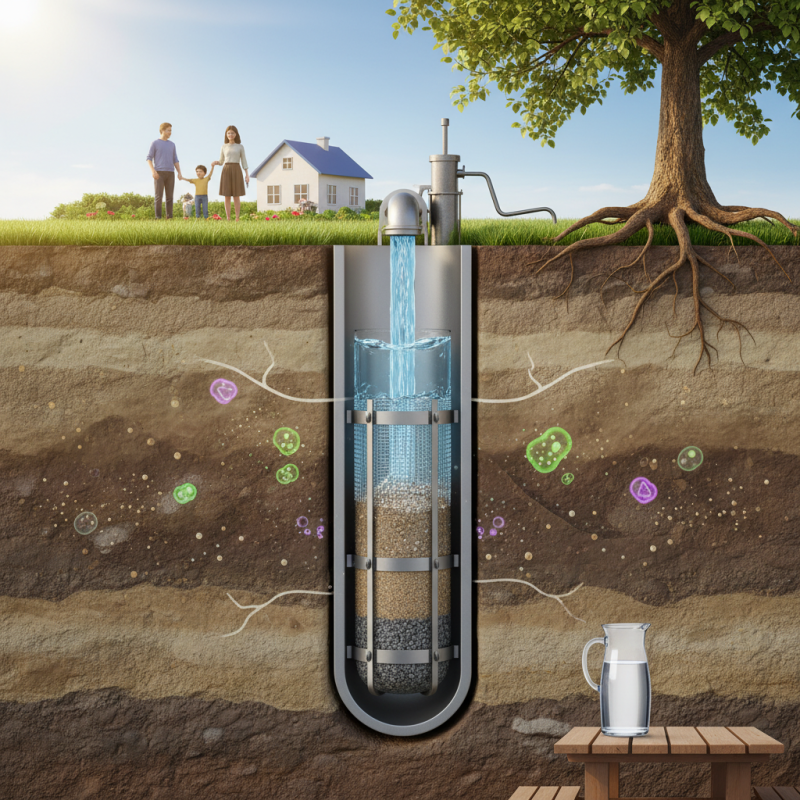
Borehole filters play a crucial role in maintaining water quality and ensuring a sustainable water supply. These filters help trap impurities and sediments that can contaminate drinking water. Without them, borehole water can harbor harmful bacteria and pollutants, risking the health of those who depend on it.

To keep your borehole filter effective, regular maintenance is key. Clean the filter every few months to remove any buildup. This simple step can significantly enhance water quality. Consider using a checklist for maintenance tasks, ensuring nothing is overlooked.

It's easy to forget the importance of water management. Many people assume their water is safe. But testing your borehole water regularly is essential. This will help identify any potential issues early. Don’t wait for a problem to occur; be proactive in your water supply practices.

Types of Borehole Filters and Their Functions in Water Systems

Why Are Borehole Filters Essential for Water Quality and Sustainability?

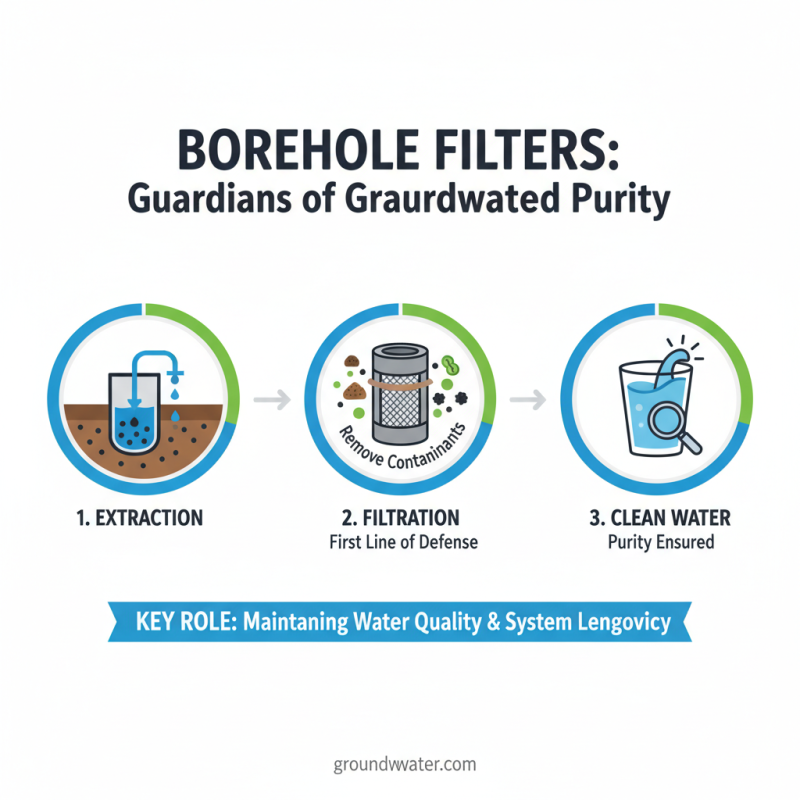
Borehole filters play a crucial role in maintaining water quality. These filters help remove contaminants from groundwater. They act as the first line of defense against pollutants. Their effectiveness determines the purity of the water extracted.

There are several types of borehole filters. Sand filters are one common choice. They trap sediments and larger particles. Activated carbon filters absorb chemicals and odors. Membrane filters provide a barrier against bacteria and viruses. Each filter type serves a specific purpose. However, regular maintenance is essential. Neglected filters can become clogged or less effective.

Choosing the right filter can be challenging. Sometimes, users overlook the importance of regular checks. Environmental factors may also affect filter performance. Understanding local water conditions is key. This awareness helps in selecting the appropriate filter type. Ultimately, better choices lead to improved water sustainability.

Impact of Borehole Filters on Contaminant Removal and Water Safety

Borehole filters are vital for ensuring clean water. They play a crucial role in removing various contaminants. These contaminants include sediments, bacteria, and heavy metals. The efficiency of these filters greatly affects water safety. A well-functioning filter can transform turbid water into potable water.

When contaminants are left unchecked, they pose serious health risks. Inadequate filtration might not remove all harmful particles. This can lead to long-term health issues for communities relying on borehole water. Sustainable water use is important for future generations. Filters must be regularly maintained to ensure effectiveness.

The landscape also impacts how contaminants enter the system. Rainfall can wash pollutants into the ground. Urban areas may increase contamination risks due to runoff. Therefore, the design and location of borehole filters need careful consideration. Communities should assess their specific needs and challenges regularly. Reflecting on these factors can lead to improved water quality and health outcomes.

Impact of Borehole Filters on Contaminant Removal and Water Safety

Best Practices for Maintenance and Monitoring of Borehole Filters

Why Are Borehole Filters Essential for Water Quality and Sustainability?

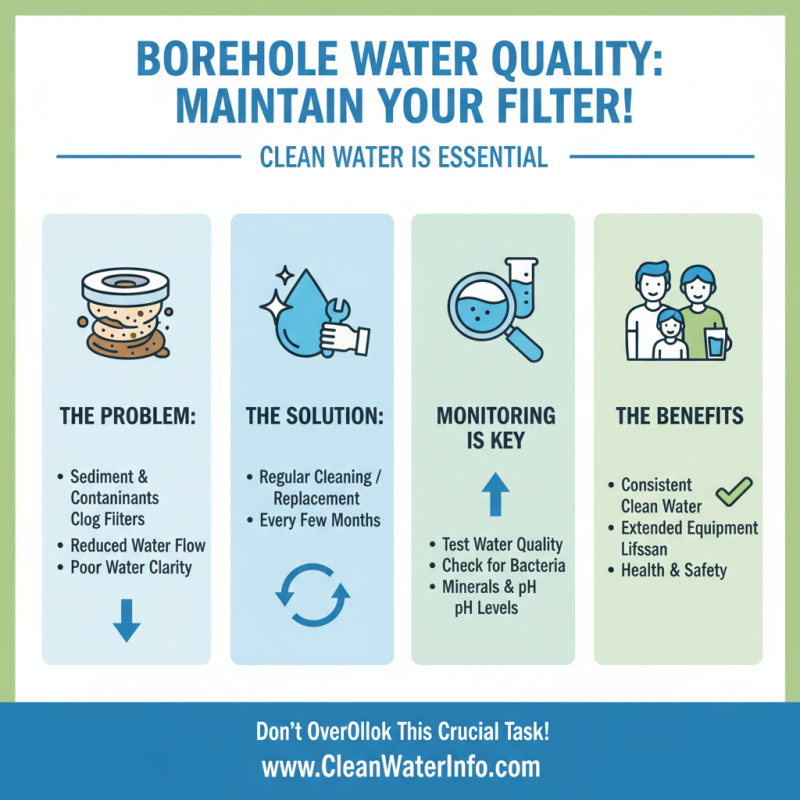
Regular maintenance of borehole filters is crucial for ensuring water quality. Over time, sediments and contaminants can clog the filter, reducing flow rate and water clarity. Cleaning or replacing filters is essential every few months. However, many overlook this important task. Monitoring water quality should go hand-in-hand with maintenance. Testing for bacteria, minerals, and pH levels can help catch issues early.

In addition, stakeholders should keep thorough records of maintenance activities. This documentation aids in identifying repeat problems and understanding long-term filter performance. Simple visual inspections can also be beneficial. Observing changes in water color or odor can signal potential issues. Yet, many neglect these easy checks. Integrating automated monitoring systems can streamline the process and provide real-time data.

Education and community involvement play vital roles in sustaining water systems. Local training on filter maintenance can empower communities. Engaging residents fosters a sense of ownership over local water sources. Questions about procedures and outcomes should be welcomed, creating a culture of accountability. In the end, proactive management often reveals flaws in our approaches, urging us to refine our techniques and strengthen sustainability efforts.