What are the Benefits of Using an Activated Carbon Filter?
Activated Carbon Filters are a cornerstone in air and water purification. According to a report by the Global Environmental Company, the market for activated carbon filters is expected to grow at a CAGR of 10.4% by 2027. This growth is driven by increasing concerns about contaminants in our environment.
Dr. Emily Harris, an air quality expert, states, "Activated Carbon Filters are vital for effective pollutant removal." These filters work by trapping harmful substances, including volatile organic compounds (VOCs) and chlorine. They help improve indoor air quality, which is essential for health.
Despite their benefits, consumers must recognize limitations. Not all filters capture the same contaminants effectively. Some may require regular replacement to maintain efficiency. It's important to choose the right filter based on specific needs. Understanding these aspects is key to optimizing the use of Activated Carbon Filters for cleaner air and water.
What is an Activated Carbon Filter?
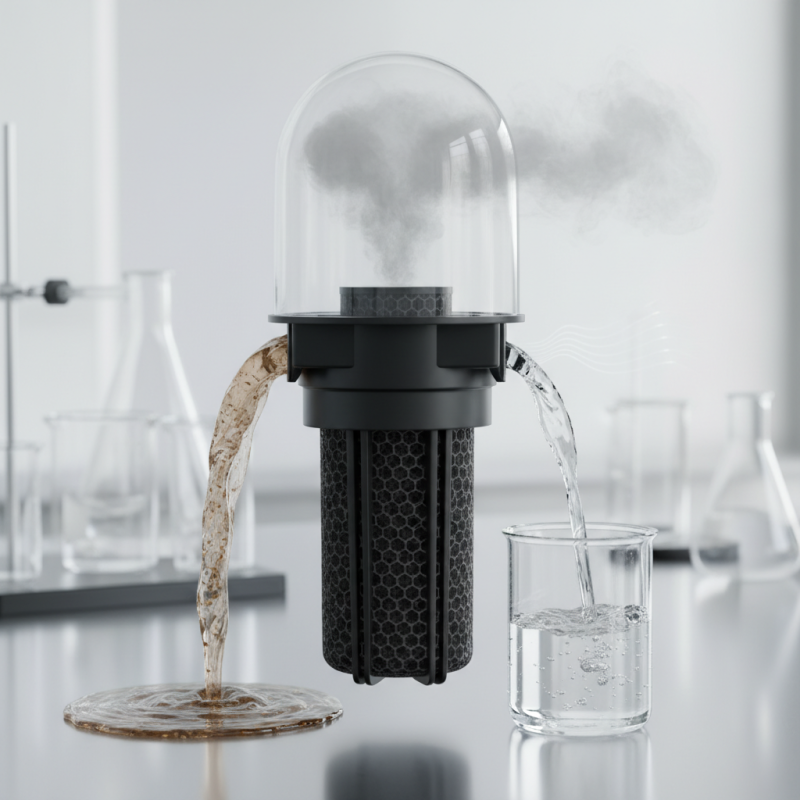
Activated carbon filters are increasingly popular in air and water purification. These filters use activated charcoal to absorb impurities and contaminants. The technology behind these filters dates back to the early 20th century. Research shows that activated carbon can remove up to 90% of pollutants. This includes chlorine, volatile organic compounds (VOCs), and even odors.
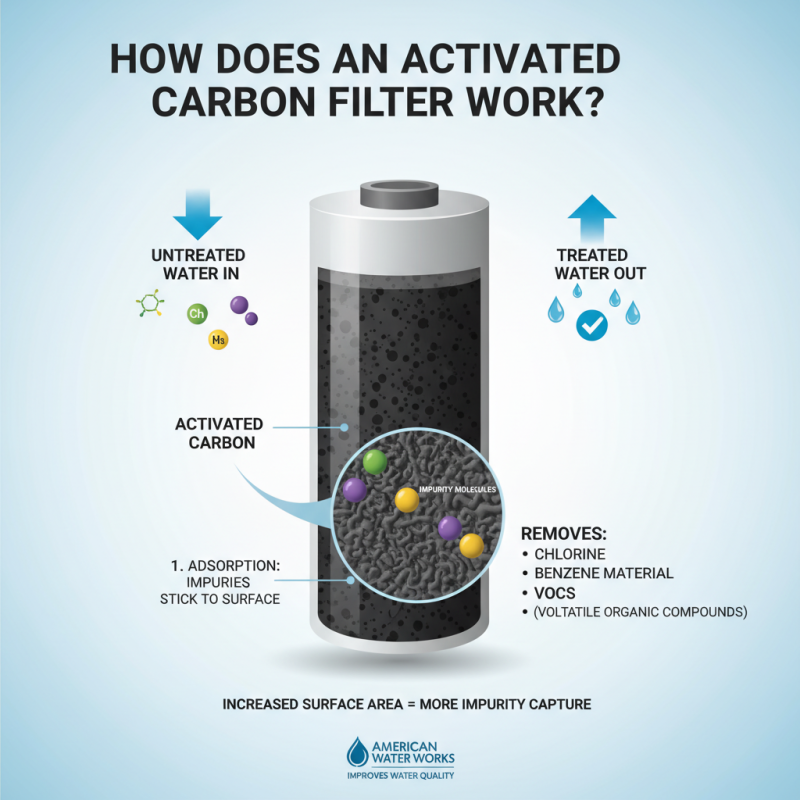
The process works through adsorption, where particles adhere to the surface of the carbon. The surface area of activated carbon is quite large, often exceeding 300 square meters per gram. This makes it very effective at trapping various contaminants. According to studies by the American Water Works Association, activated carbon filtration is one of the most effective methods for reducing harmful substances in drinking water.
Tips: Always ensure your activated carbon filter is replaced regularly. A clogged filter can create more issues than it resolves. Not all filters are created equal; investigate testing standards before purchasing.
While activated carbon filtration is effective, it’s not without limitations. It does not remove minerals, salts, or heavy metals. Depending on what you are filtering, you may need additional methods to ensure purity. As with any filtration system, it is crucial to understand your specific needs. This understanding can guide you to more complete water or air treatment solutions.
Benefits of Using an Activated Carbon Filter
This bar chart illustrates the various benefits of using an activated carbon filter, highlighting the effectiveness of odor removal, chemical absorption, water purification, air filtration, and heavy metal reduction.
How Does an Activated Carbon Filter Work?
Activated carbon filters operate through a process known as adsorption. This involves the attraction of molecules to the surface of the activated carbon. These filters are made from porous materials, which greatly increase the surface area and enhance their ability to capture impurities. According to the American Water Works Association, these filters can effectively remove contaminants like chlorine, benzene, and volatile organic compounds, improving water quality significantly.
Research shows that activated carbon filters can remove up to 99% of certain chemicals in water. They function best in treating tap water, where contaminants are common. However, their effectiveness diminishes over time. A carbon filter's lifespan can vary based on factors such as water quality and usage. Many experts recommend replacing them every six months for optimal performance.
While activated carbon filters show impressive results, they have limitations. They might not effectively filter out certain heavy metals or microorganisms. Users should consider combining them with other filtration methods for comprehensive protection. Understanding the intricacies of how these filters work will help you make informed decisions for your water purification needs.
Key Benefits of Using an Activated Carbon Filter
Activated carbon filters are renowned for their ability to improve air and water quality. They work by adsorbing impurities, making them a trusted choice for many households. One of the key benefits is their effectiveness in removing unpleasant odors. Food odors in the kitchen or musty smells in basements disappear quickly with these filters.
Another notable advantage is their role in removing harmful chemicals. Volatile organic compounds (VOCs) often pollute indoor air. Activated carbon filters capture these particles, promoting a healthier living environment. Their porous structure creates a large surface area, maximizing their effectiveness.
However, not all filters perform equally well. Regular maintenance is crucial. Used filters can become saturated and lose their effectiveness, which poses a health risk. It’s essential to replace them as needed. This requires users to stay informed about filter lifespan and maintenance schedules to ensure optimal air and water purification.
Applications of Activated Carbon Filters in Daily Life
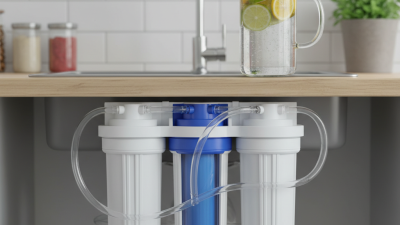
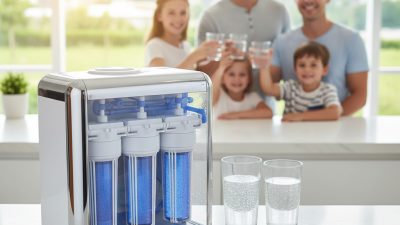
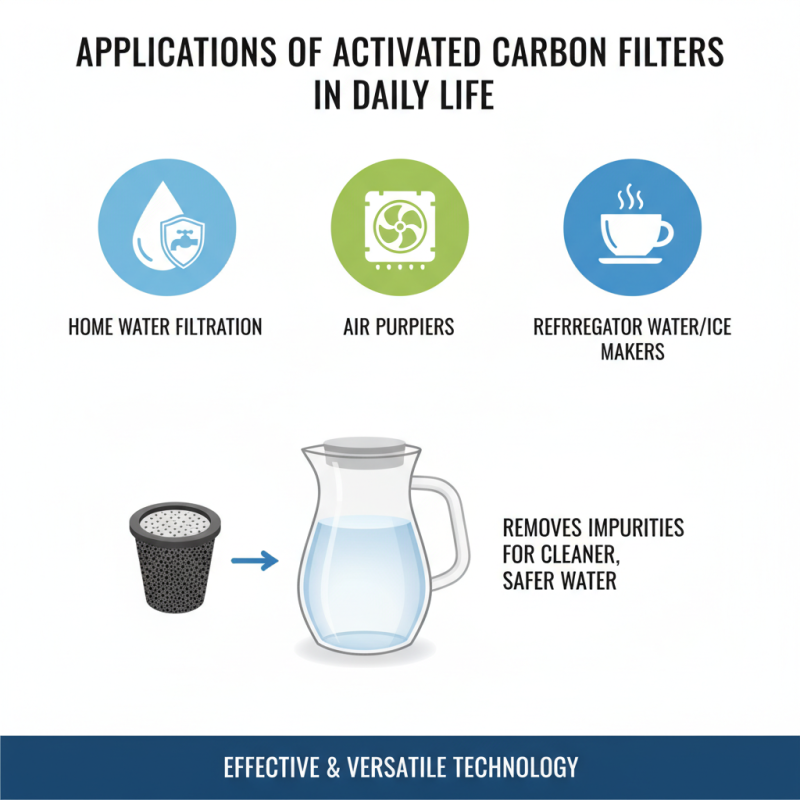
Activated carbon filters are incredibly versatile. They are commonly found in many aspects of daily life. Many homeowners install them in their water filtration systems. This process effectively removes contaminants. People enjoy clean, safe drinking water thanks to these filters.
In air purification, activated carbon filters excel as well. They minimize odors and volatile organic compounds. Many people use them in refrigerators or small air purifiers at home. Breathing cleaner air enhances comfort and well-being. However, these filters do need regular maintenance. Users often overlook the replacement schedule, leading to reduced efficiency.
In aquariums, activated carbon is a popular choice. It helps maintain water clarity and quality. Fish owners depend on it for healthier aquatic environments. Yet, improper use can overwhelm fish habitats. It’s essential to understand how these filters work. Student projects in environmental science often explore this technology. These insights can foster greater awareness and responsible usage.
Choosing the Right Activated Carbon Filter for Your Needs
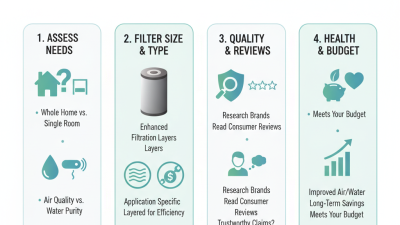
When selecting an activated carbon filter, understanding your specific needs is crucial. Different filters have unique capabilities based on pore size and carbon type. A report from the Environmental Protection Agency highlights that granular activated carbon (GAC) is effective for removing chlorine and volatile organic compounds (VOCs). However, for certain contaminants, such as heavy metals, a filter with a different design may be necessary.
Research suggests that a well-chosen activated carbon filter can significantly enhance indoor air quality. A study from the American Association of Respiratory Care notes that airborne particles can be reduced by up to 85% through appropriate filtration. Many popular filters may not meet the individual needs of users, leading to ineffective purification. This gap in the market points to the importance of thorough evaluation before making a purchase.
It’s also important to consider the filter's lifespan. Some models require more frequent replacements, which can lead to higher long-term costs. The choice between a refillable or disposable system can also impact your overall satisfaction. Awareness of these factors will help you choose a more effective solution that aligns with your objectives while maintaining your budget.
What are the Benefits of Using an Activated Carbon Filter?
| Benefit |
Description |
Usage |
Maintenance |
| Removes Contaminants |
Effectively absorbs chemicals, chlorine, and volatile organic compounds (VOCs). |
Used in air and water purification systems. |
Replace the filter every 6-12 months depending on usage. |
| Improves Taste and Odor |
Eliminates bad tastes and smells from water and air. |
Ideal for household water systems and indoor air purifiers. |
Check filters regularly for signs of saturation. |
| Low Cost |
Affordable solution compared to other filtration systems. |
Widely available and easy to install. |
Minimal ongoing costs; primarily filter replacement. |
| Environmentally Friendly |
Made from natural materials and can be reactivated. |
Used in eco-friendly filtration systems. |
Consider recycling options after disposal. |
| Versatile Applications |
Suitable for various environments: residential, commercial, and industrial. |
Applicable in air purifiers, aquariums, and HVAC systems. |
Regular filter changes enhance performance across applications. |